

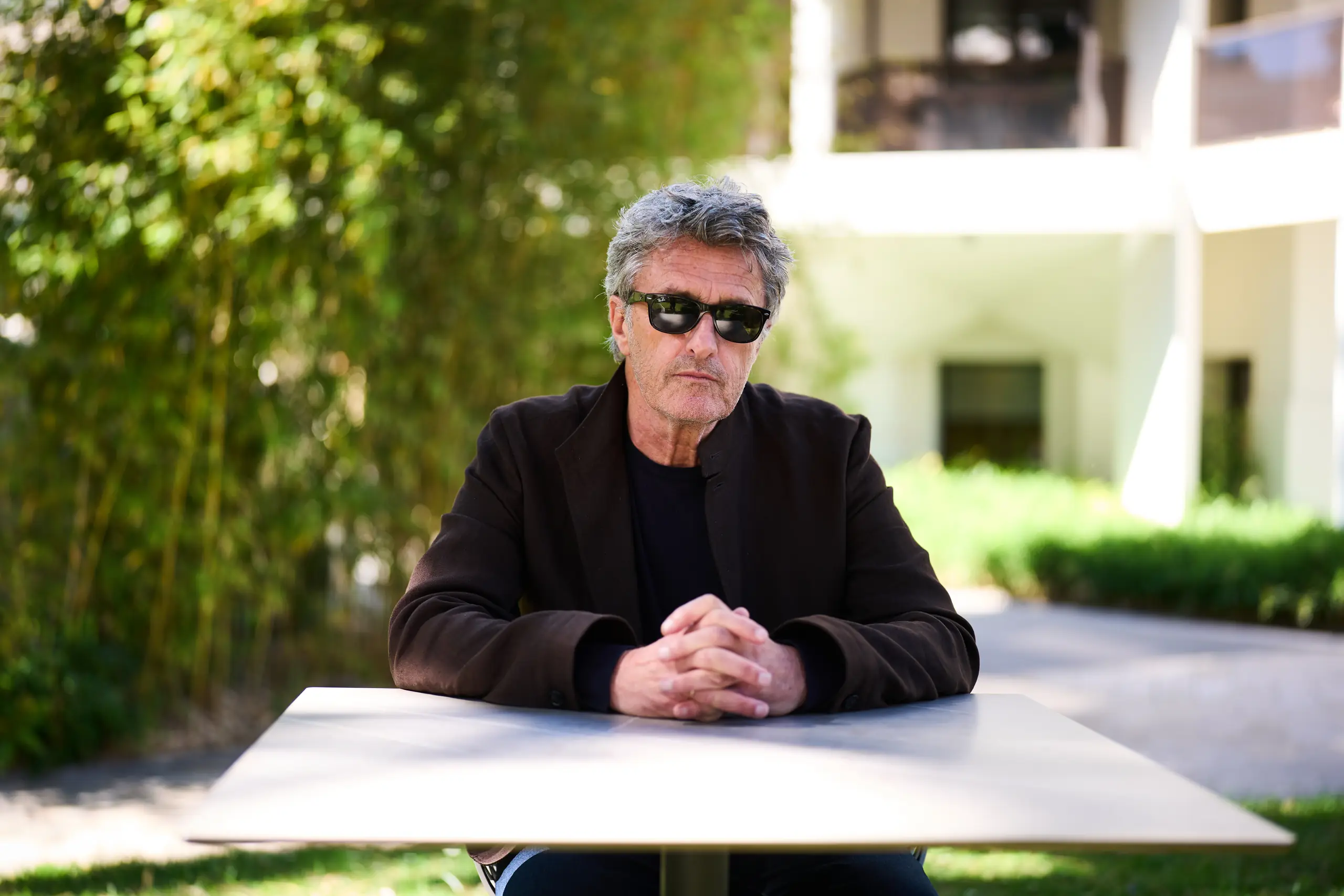
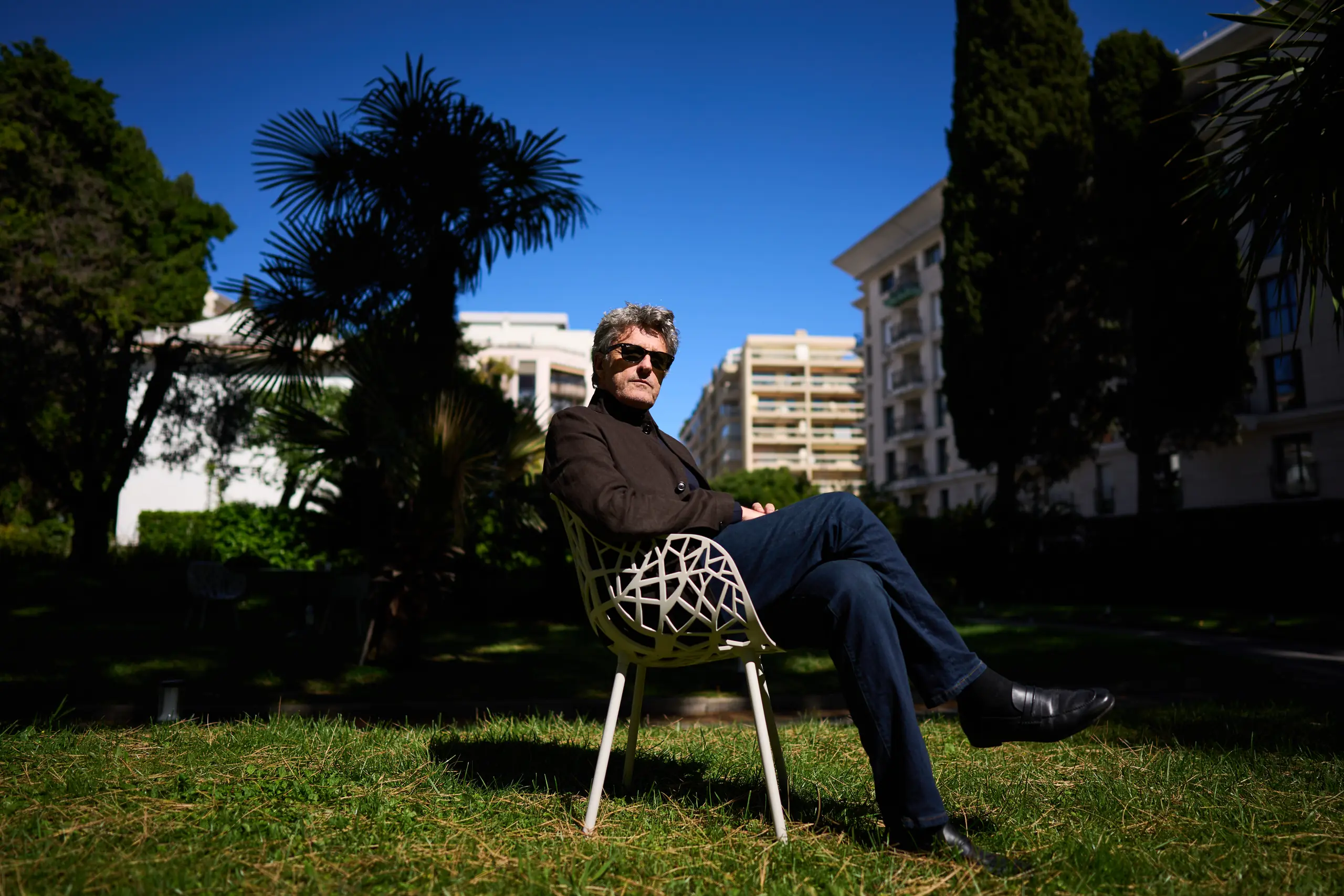
NEW YORK – Storytelling economy can be in short supply at the movies, but Paweł Pawlikowski has made a career out of a concision that now seems almost radical.
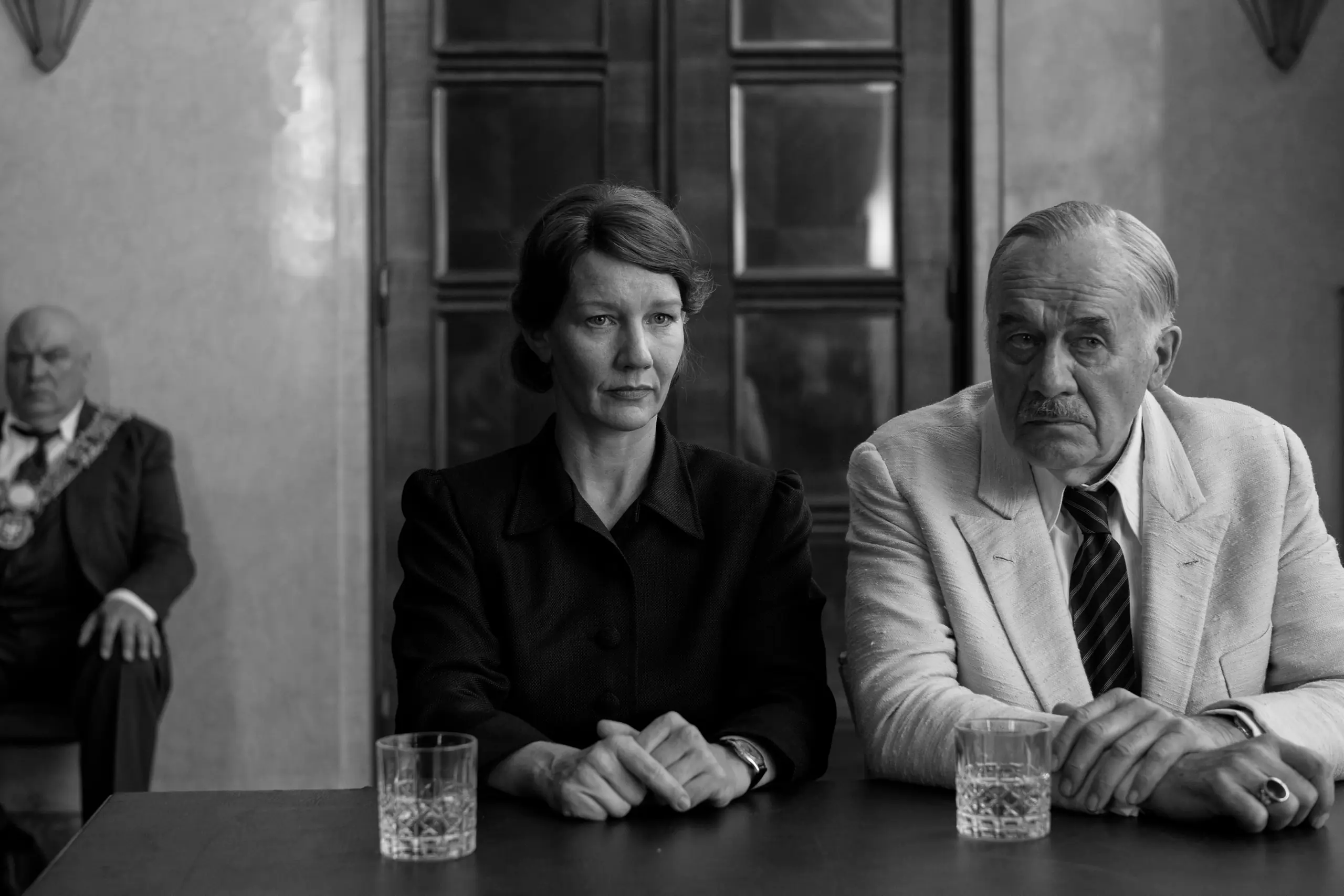
His last three films — “Ida,” “Cold War” and his latest, “Fatherland” — are all 90 minutes or less. Each is shot in black and white, in a boxy academy ratio. And none has a single ounce of fat on it.
Recommended Videos
“It feels a bit controversial what I’m doing,” Pawlikowski says, chuckling. “I’m quite aware that it’s provocative to be so stripped down.”
In an era where three-hour movies are commonplace, Pawlikowski, the 69-year-old Polish filmmaker, has refined a style of less is more. His movies are brief but unhurried, lean yet profound.
“You try to distill it, distill it, distill it,” he says.
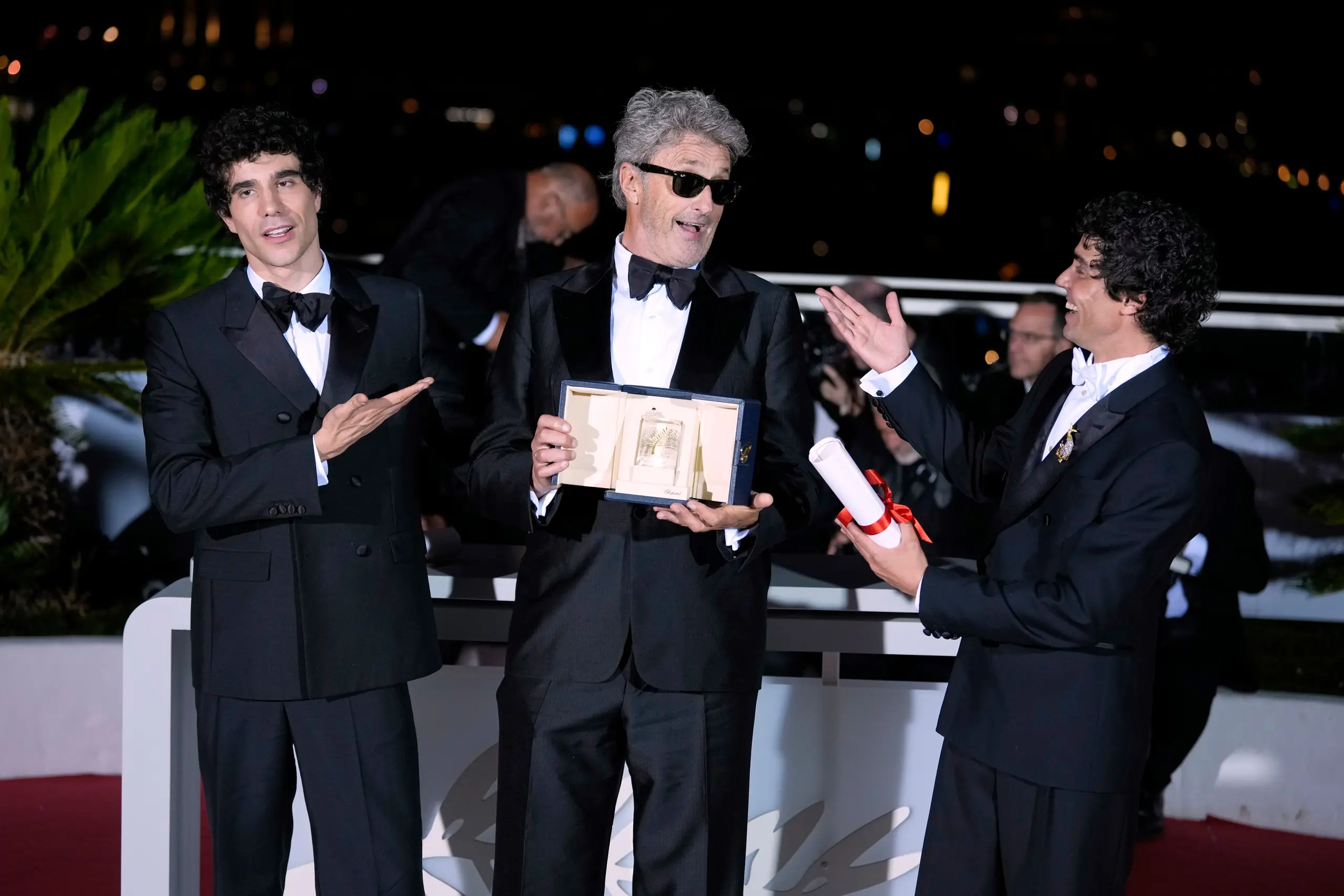
That approach has made Pawlikowski a leading international filmmaker and a hero to lovers of short movies. “Ida” (2013), about a Polish woman who finds out she’s Jewish just as she’s about to become a nun, won the Academy Award for best international film. “Cold War” (2018), about a doomed romance in postwar Poland, won him best director at the Cannes Film Festival and an Oscar nomination for best director. “Fatherland,” too, won him best director in Cannes in May.
A postwar Germany, divided between ‘Stalin or Mickey Mouse’
In the 82-minute film, which Mubi releases in select theaters Friday, Hanns Zischler plays the German Nobel Prize-winning novelist Thomas Mann and Sandra Hüller his daughter, Erika. In the aftermath of World War II, they take a road trip through the ruins of Germany. They’re itinerant in their home country, traveling between U.S.-controlled Frankfurt and Soviet-controlled Weimar.
“Stalin or Mickey Mouse” is how one character frames the choice before the Manns in a Germany beginning to reckon with, or forget, the past. For Pawlikowski, it’s a dichotomy with shades of today’s political divisions. In Poland, “Ida” was criticized by right-wing nationalists who said it showed the country in a bad light.
“There was an election campaign going on, and it was a bad time to show it,” Pawlikowski says. “But it wasn’t just the right that attacked. It was attacked for being antisemitic. All these people can be struck in their narratives and find something in your film that they hate.”
“Art is good for you, but it’s not going to solve any problems,” he adds.
Cutting scenes and maintaining rhythm
The value art has next to political power is at the center of “Fatherland.” Mann, having fled to America to escape the Nazis, is being courted by both the West and the East. Meanwhile, former Nazis are returning to society and advancing their own view of Germany.
Pawlikowski began by taking real events and condensing them. Mann’s trip was with his wife, not his daughter. They visited more places over a longer period of time, but Pawlikowski limited himself to two cities and five days.
That was only the start of Pawlikowski paring things down. What’s most missing in “Fatherland,” you realize afterward, are the transitory moments that lead into or out of a scene.
“You don’t need the scenes that get you from A to B. Just have strong scenes side by side. They will function regardless,” Pawlikowski says. “The main thing is that it has music and a good rhythm.”
Unlike his somber, terse movies, Pawlikowski is chatty, self-deprecating and quick to laugh. He likes to shoot for five days in a week, have a day off and spend the other day editing — a part of the process usually not begun until after production is over.
“People say, ‘Oh your scripts are so well done,’” he says. “The ideas are there and there’s a beginning and a middle and an end. But actually, it’s the luxury of being able to write and rewrite all the time and sometimes shoot something else and scrap another thing.”
For Hüller, doing more with less dialogue
Reshoots for larger productions can be costly. But on “Fatherland,” it was easier.
Pawlikowski kept two locations, hotel rooms, dressed for shooting, just in case. He originally had a big emotional scene when Erika finds out her brother died and meets up with an Associated Press reporter character named Betty (Anna Madeley). After looking at it, he decided to reshoot the scene with Erika, feeling overwhelmed with grief, simply opening her window and screaming at loud Germans on the nighttime street below.
“I looked at it and wondered, ‘Maybe Betty’s not the thing. Maybe she should just be alone with her memory of Klaus and take it out on the poor Nazis,’” says Pawlikowski.
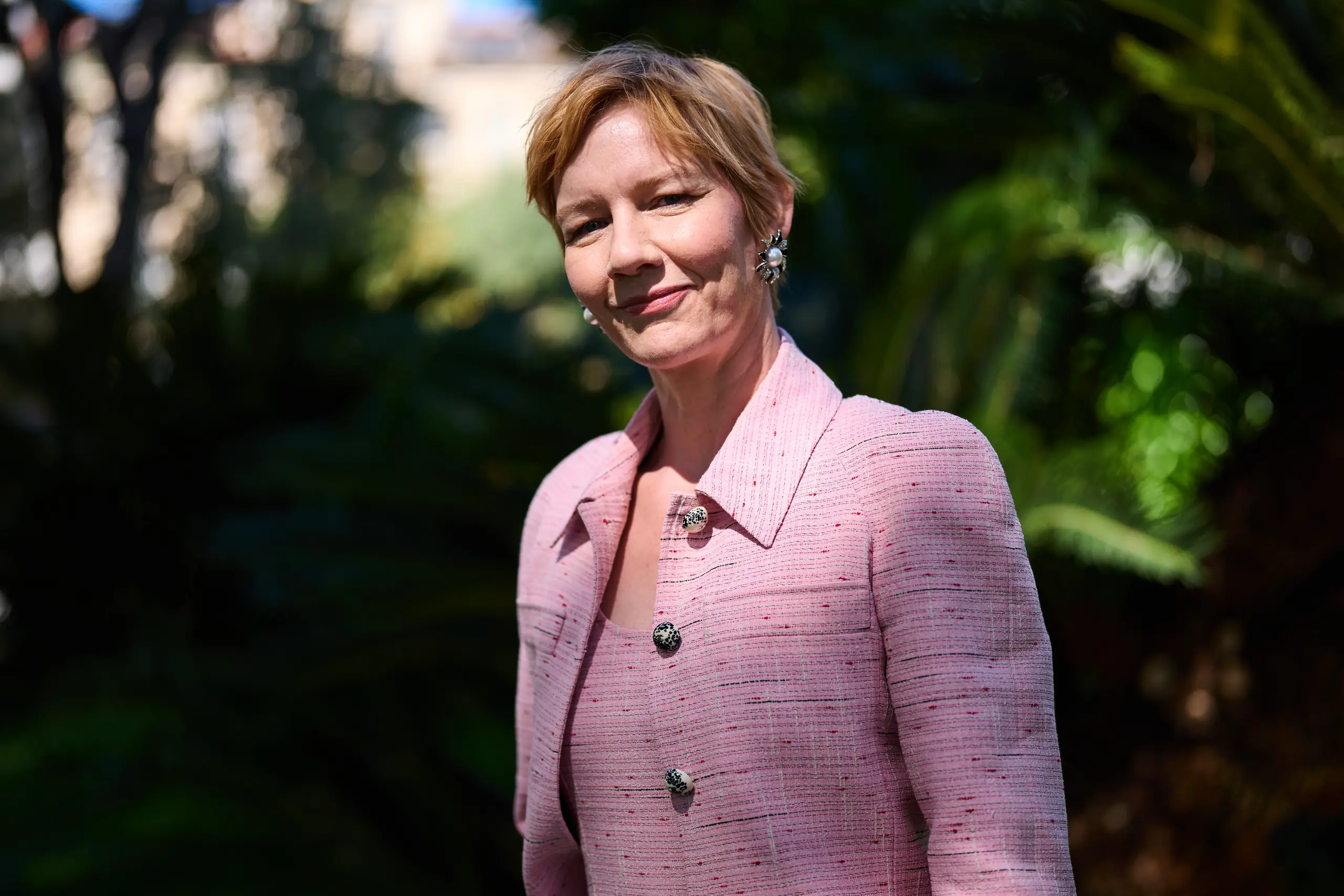
The result is one of the standout moments in Hüller’s otherwise restrained performance. Hüller, whose remarkable 2026 has also included the films “Project Hail Mary,” “Digger” and “Rose,” suspected going into “Fatherland” that Pawlikowski’s precision would heighten her scenes.
“It has a lot to do with presence and awareness,” Hüller says. “And with a rich inner movement that’s not necessarily seen on the outside. But you can feel it, in some way. The more precise this inner movement is, the better it works in that very precise (camera) frame. That’s something I had to find out.”
Still, there was dialogue Hüller loved that she had to accept being cut.
“There was one line where Sandra said, ‘Oh, I love that line,’” says Pawlikowski. “OK, but you’re never going to miss it because what we have has such a beautiful flow to it. Just because it’s a clever line doesn’t mean we have to have it.”
For Pawlikowski, paring away isn't just an aesthetic. It's a way of life.
“I’m all into simplifying life, anyways,” he says, smiling. “Stick to your friends. Like what you like. Try to be honest. If you can do that in film, or any kind of art form, it helps. And you feel you’re within yourself.”