

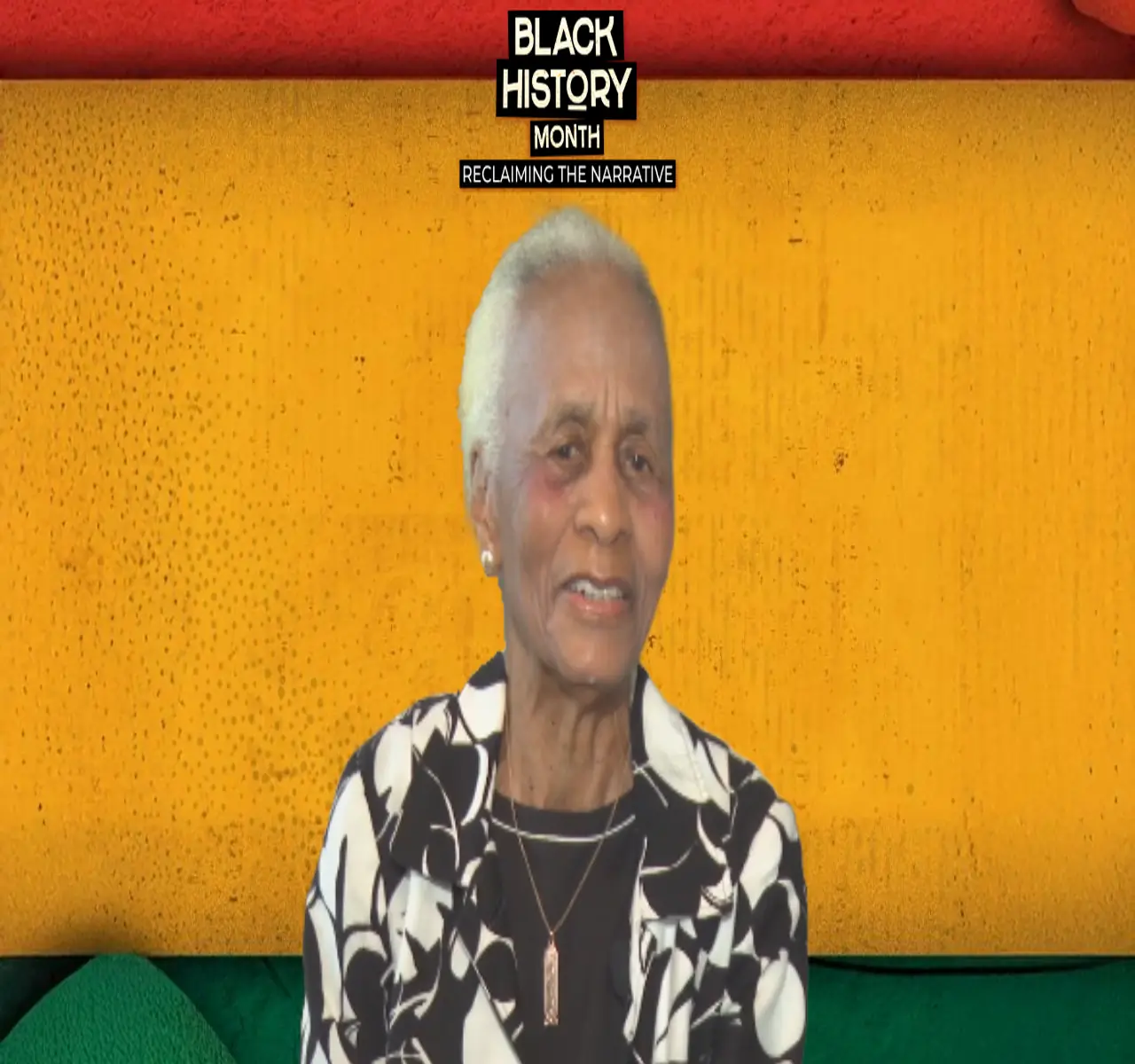
JACKSONVILLE, Fla. – Dr. Hester S. Petty is counting down the days until she turns 100 years old.
At 99, she exercises as often as possible at her Jacksonville community gym, paints, does needlework and recently started doing tai chi.
Petty exudes some strong qualities in the gym, including grit, commitment and tenacity.
She has held onto these characteristics throughout nearly a century of living.
“I knew that it would be difficult for me as an African-American,” Petty said. “I pursued my life along the ways of the experiences that I had [in the Northeast] and what I thought was right and just.”
She’s had plenty of triumphs, but Petty gave some insight on several instances of racial injustice that she and her family never let defeat them.
READ MORE: Black History Month Coverage
She said three specific life events changed her while she was living in the Northeast: housing discrimination, a historic lawsuit against the state of Delaware and having a teacher fired over a theft accusation against her daughter.
I spoke with her for nearly an hour, and it was clear that she never backs down from what she believes in. Petty was always ready to face things head-on.
[Click the video below to hear Dr. Hester S. Petty’s life story in her own words]
Housing discrimination
One of Petty’s formative life experiences involved dealing with discrimination while buying a house more than 50 years ago.
Petty said she and her late husband, Dr. Leon Petty, moved to a house in Chadds Ford, Pennsylvania, in the 1960s. They lived there for 45 years, which is the longest they ever called one spot “home.” They loved it.
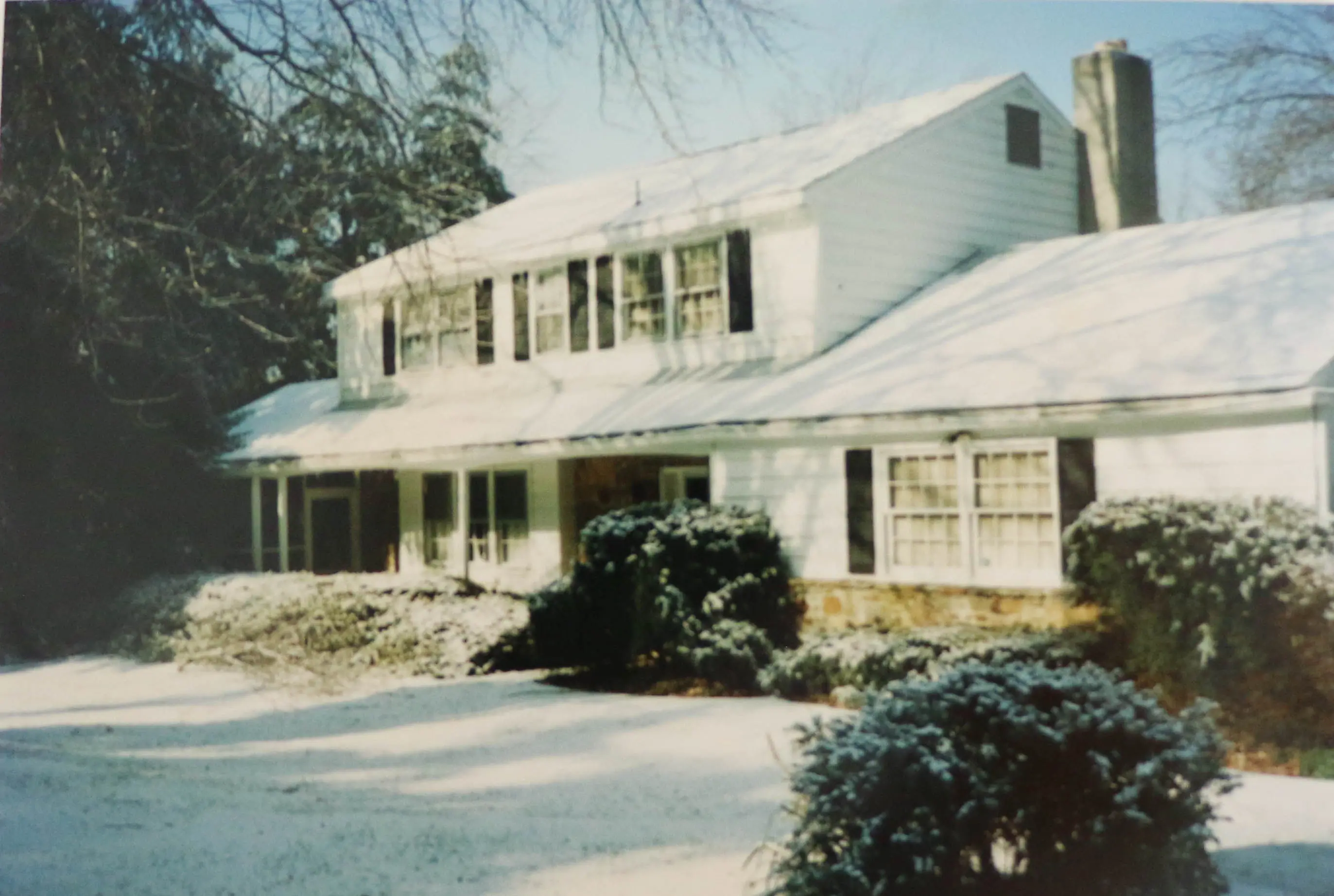
But Petty said that leading up to moving into that house and shortly after some times were “unfavorable,” to say the least.
“We looked for housing in Pennsylvania, and we looked for maybe five or six years,” Petty said. “Finally, I was talking with one of my colleagues at the school and he said, ‘You know over in Chadds Ford, there was a developer doing houses. You might be interested there because you can buy a house there.’ We liked it very much. The builder had just started, and we could make changes.”
The house was perfect in their eyes and the Pettys were ready to make it theirs.
“When we got to settle the house, we had already paid all the money and we were getting ready to settle, the builder called my husband crying,” Petty said. “He said, ‘Dr. Petty, I am sorry we cannot sell you this house. I cannot sell you this house.’ He said there is a law, a covenant [that stated] Chester County cannot sell a house to any Jew or at that time they said African-American.”
Petty said her husband explained the situation to her.
“I laughed because I said, ‘We paid for it,’” Petty recalled. “So they would have to kill me. [Leon] said, ‘I don’t want to die for a house.' I said, ‘I will.’”
Petty said they called their lawyers, who were resources they never took for granted during that time. She was adamant about fighting against being blocked from closing on their house.
She said things changed in their favor less than a week later.
“The guy called back and said, ‘Dr. Petty, you have your house,’” she recalled.
She said despite the positive update, she had mixed feelings at the time.
“I thought it was wrong in the first place,” Petty said. “Why should I have to go through that to get the house? I have the money. I had what I needed to pay for the house. I said with this kind of history in this country [my reaction] was mixed.”
But even when the Pettys thought they had defeated injustice, more of it was lurking in the shadows.
It was exposed six months after they moved into the new house.
“The IRS called my husband to audit him,” Petty said. “I said, ‘This is tricky’ because I knew from reading about how things worked in this country that it was unfair. [The IRS office] had to do that automatically when African-Americans buy [a house] in a very wealthy district. Somebody reported [Leon’s] name thinking that he did not have the money and didn’t know anything about him.”
Petty said when Leon went to the IRS office, something unexpected happened.
“The IRS person said to him immediately, ‘Dr. Petty, you do not have anything to worry about,’” she recalled.
Petty said they were told it was a procedure the office had to follow whenever someone called about someone.
She said after everything they went through to even buy the house, the continued discrimination was crushing.
“Very sad,” Petty said. “It just made you feel like laws are nothing. We worked, we had done everything as good citizens and yet we experienced this in the 1960s.”
It inspired the Pettys to become active with Civil Rights causes by supporting several groups financially to help others avoid that kind of “unfairness.”
“I thought it was my responsibility and duty to do what I thought was right,” she said. “It was what I felt really adamant about. I hope that [people] can see that this happened in America.”
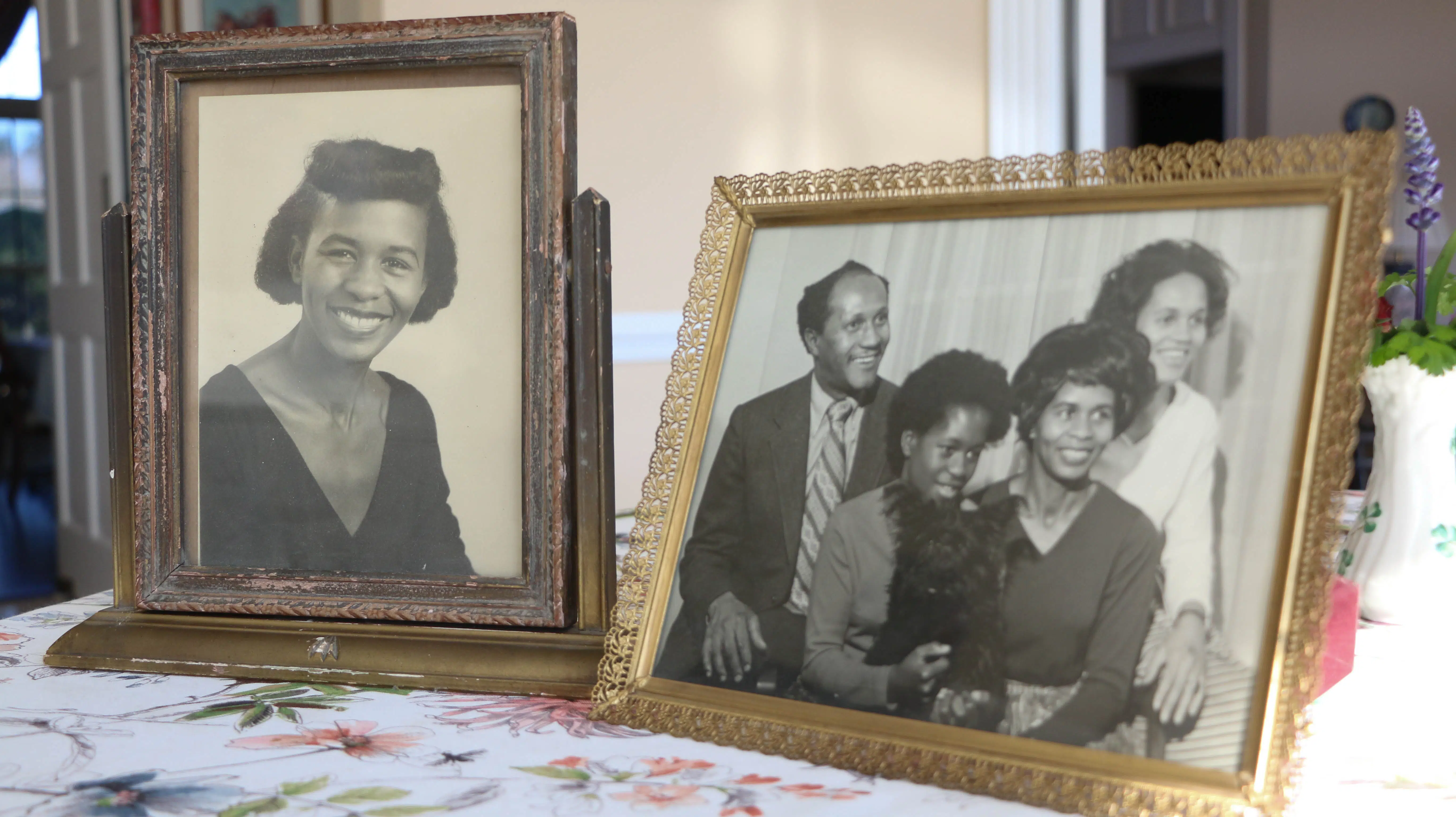
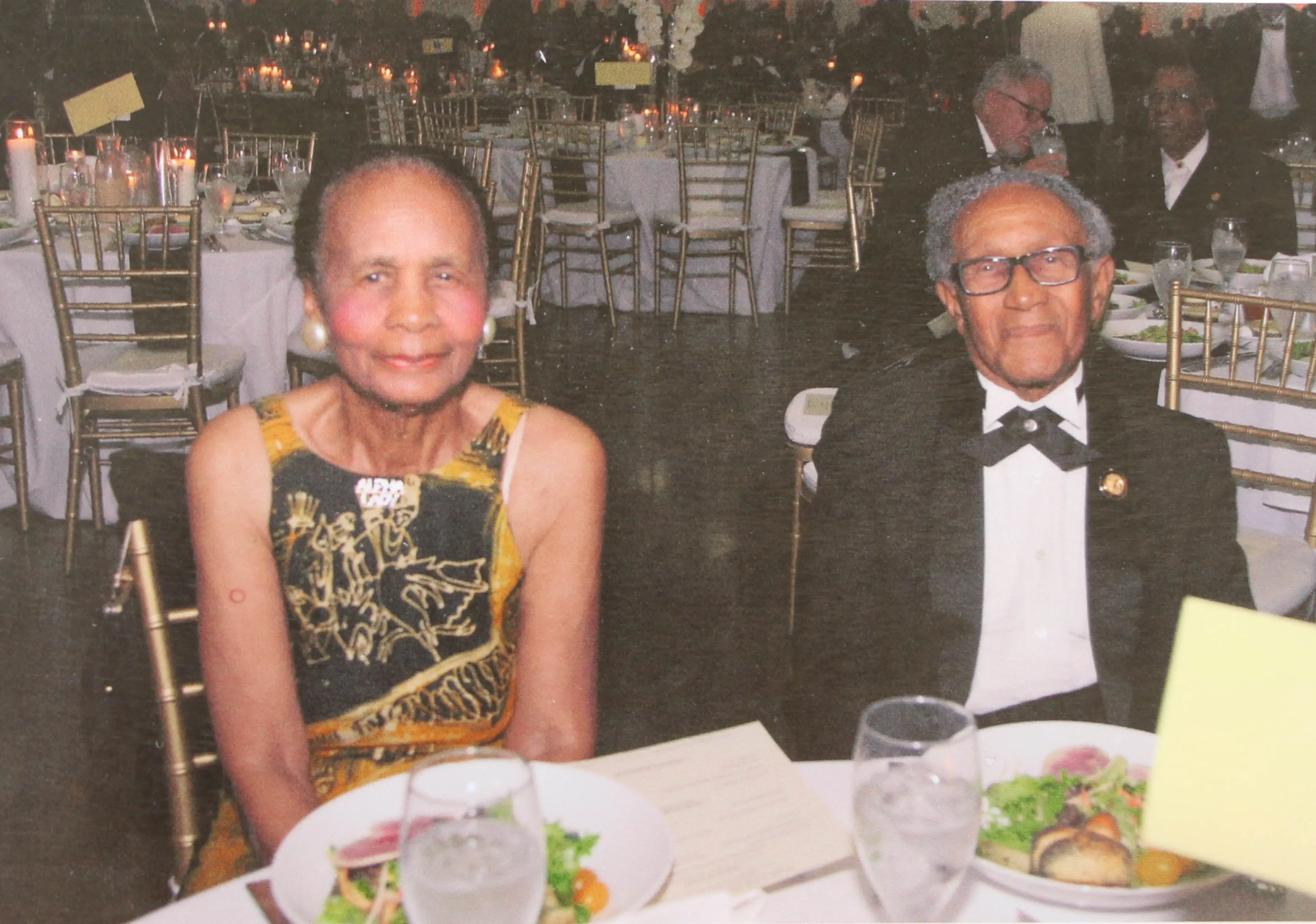
Through it all, the Pettys never wavered. Hester and Leon always stood by each other.
The lovebirds were married for “71 beautiful years,” as Hester called them.
Hester Petty earned a doctorate in education. She worked for 45 years as a teacher, administrator and college professor.
Petty attended Columbia University with the legendary Shirley Chisolm, who was the first African-American woman elected to Congress, and the first woman and Black person to run for president.
Leon Petty was a clinical psychologist.
The couple and their two daughters lived in Pennsylvania on the border with Delaware and commuted to Delaware for work for decades.
Leon worked with a mental health hygiene clinic while also having his private practice. His wife attested that Leon’s calling was helping those with alcoholism.
Lawsuit against Delaware
Leon made history while working in Delaware.
“The state got money and gave him the opportunity to be the first director of alcoholism services in the country,” Hester Petty said. “No one else had done this.”
Petty said her husband’s program started strong. But by the third year, a separate group of politicians had a different plan.
“They did not want to eliminate the program. They had someone else they wanted (who was not Black),” Petty said.
Petty says those politicians tried to negate the hard work Leon put into building the program.
“My husband was infuriated and said, ‘I am going to Washington, D.C., to raise some money anyway.’ He would go to Washington and speak to politicians about money,” Petty said.
During that trip to lobby in Washington, Leon received significant support from another legendary figure.
“Once he was there giving his talk about his program, Muhammad Ali was there,” Petty said. “When he finished, Ali came up to him and said to him, ‘I see that you are having difficulty with funding. I will give you $50,000 now so that you can keep that program.’”
Petty says Leon politely rejected Ali’s offer because he could not legally accept money from private donors for a state-funded program.
The Pettys did not lose hope but felt they needed some time for themselves, so they took off on a much-needed vacation. But a late-night phone call from one of their daughters escalated things drastically.
“They eliminated dad’s position in the middle of the night,” their daughter told them.
Journalists and supporters in the community called their house and even showed up trying to get answers.
“He said, ‘What?!,’” Petty said. “They said, ‘You no longer have a position.’ They eliminated his position. He said, ‘That’s OK. I have my private practice. I do not have to worry.' He said, ‘Don’t worry about it.' He was trying to ease my daughter.”
Petty said when people in their community found out what happened, they were in an uproar.
“They thought it was racially motivated and unfair,” she said. “My husband said, ‘I don’t want to be bothered. This is America. I don’t want to go through all the stress. I don’t need the stress. I fight stress.‘”
But they did fight the discrimination and did something unprecedented.
The Pettys and other supporters sued the state of Delaware in Leon’s name. As a result, the sides reached a settlement and the state reinstated Leon’s historic position.
But he didn’t want it back.
Instead, Leon wanted to focus on his private practice.
“[Filing the lawsuit] was to prove that they were wrong,” Petty said.
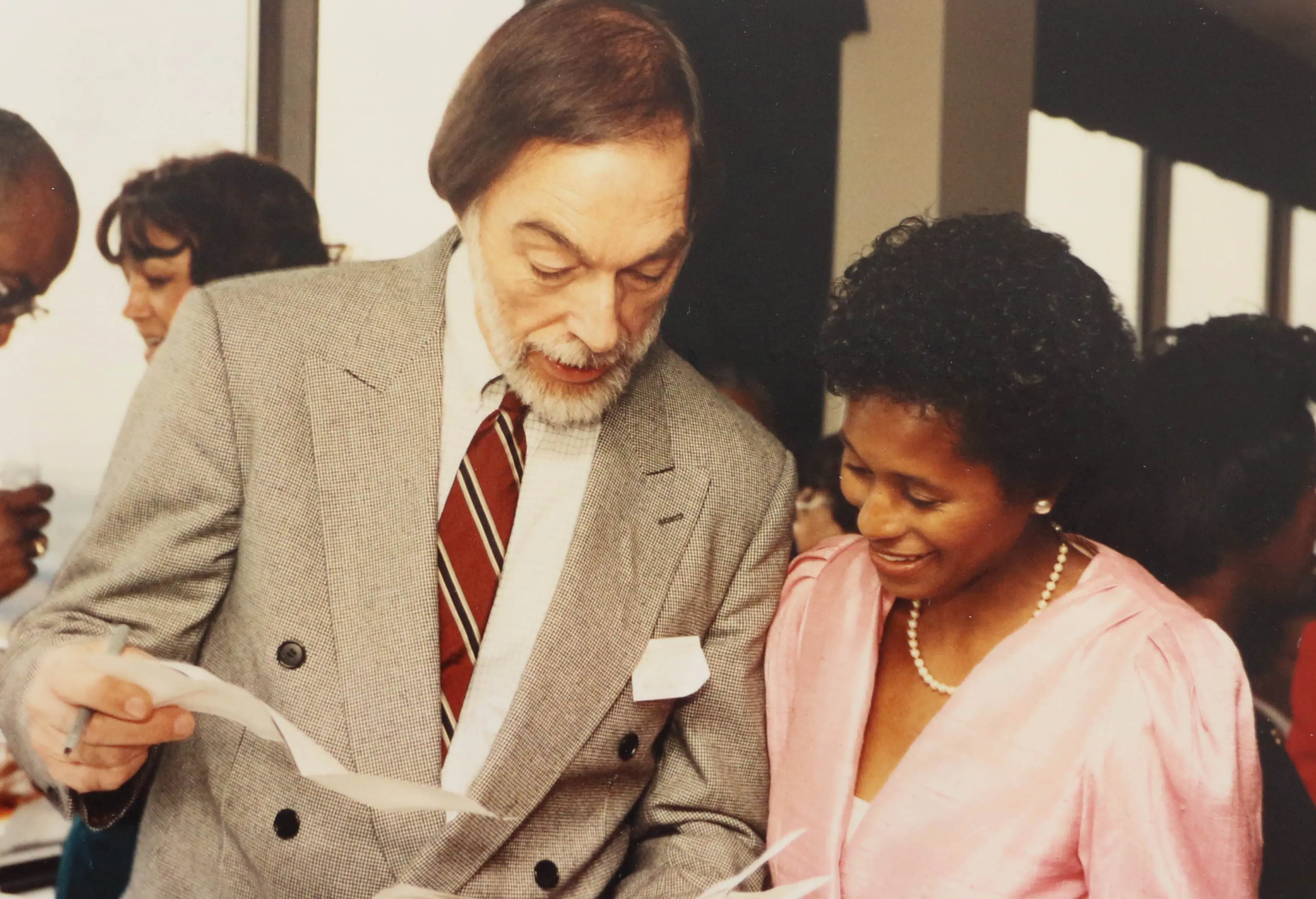
Theft accusation
Hester and Leon loved what they did for a living, but what they valued the most was being mom and dad to two daughters, Lisa and Leonora.
Lisa attended a private K-12 school in Wilmington, Delaware.
She was one of just two African-American students out of roughly 700 enrolled in the school.
Petty says one day changed the course of Lisa’s time there.
“I picked her up from school and she was crying,” Petty recalled. “I asked, ‘What is wrong with you?’ She said, ‘The teacher said I stole [an] instrument.’ I said, ‘What?’ I asked, ‘You don’t have it.' She said, ‘Of course not.’”
Petty said she went to the school to speak with the headmaster. Petty wanted to speak with the teacher but he had already left for the day.
“I said, ‘Well, I want an explanation,’” she recalled. “[The headmaster] said, ‘Tomorrow morning I will be back.’ I took a day off [from work] and went up there. The next morning I wanted to meet that teacher and find out how he concluded that [Lisa] had stolen [the instrument]. They would not let me meet with him. I said, ‘That is not right. I want to know how you came to that conclusion that she stole this instrument.’ They could not answer.”
Petty was so determined to get an explanation that she withdrew Lisa from the school and had her attend a different all-girls school temporarily.
“The staff and headmaster kept dragging and would not give me an answer,” Petty said. “I said, ‘Look, you have until tomorrow. I am getting a lawyer because this is wrong. Nobody is giving me an answer and [Lisa] did not [steal] it because I picked her up. I will get a lawyer.’ Immediately, they fired the teacher.”
Petty said despite that result, she never found out why her daughter was accused of stealing, although she had her suspicions.
“My husband said he didn’t want to suspect that it was racism,” Petty said.
But Petty put it bluntly when asked if she believed racism was the motive: “Yes,” she said.
Petty said those three experiences always kept her motivated to fight for truth and justice.
“I think that is the key because you have to feel it within yourself [when it comes to] what you want to do and what you think is right,” she said.
Despite it all, Petty says she is at peace.
“I think that is a blessing because I am very at peace with what I have done in my life. I don’t think I have broken any barriers. I think it is my job to do what I think is right,” she said.
Petty said it is a “responsibility” she has carried for almost 100 years.
As she reflected, she said she never wants things to regress to how they were.
“The situation is today will not be the same [as before],” Petty said. “They will improve and then they don’t. That is a pattern of human behavior. I have seen that over these 99 years. We make progress and then you go back. You make progress again and then you go back. This country has done that.”
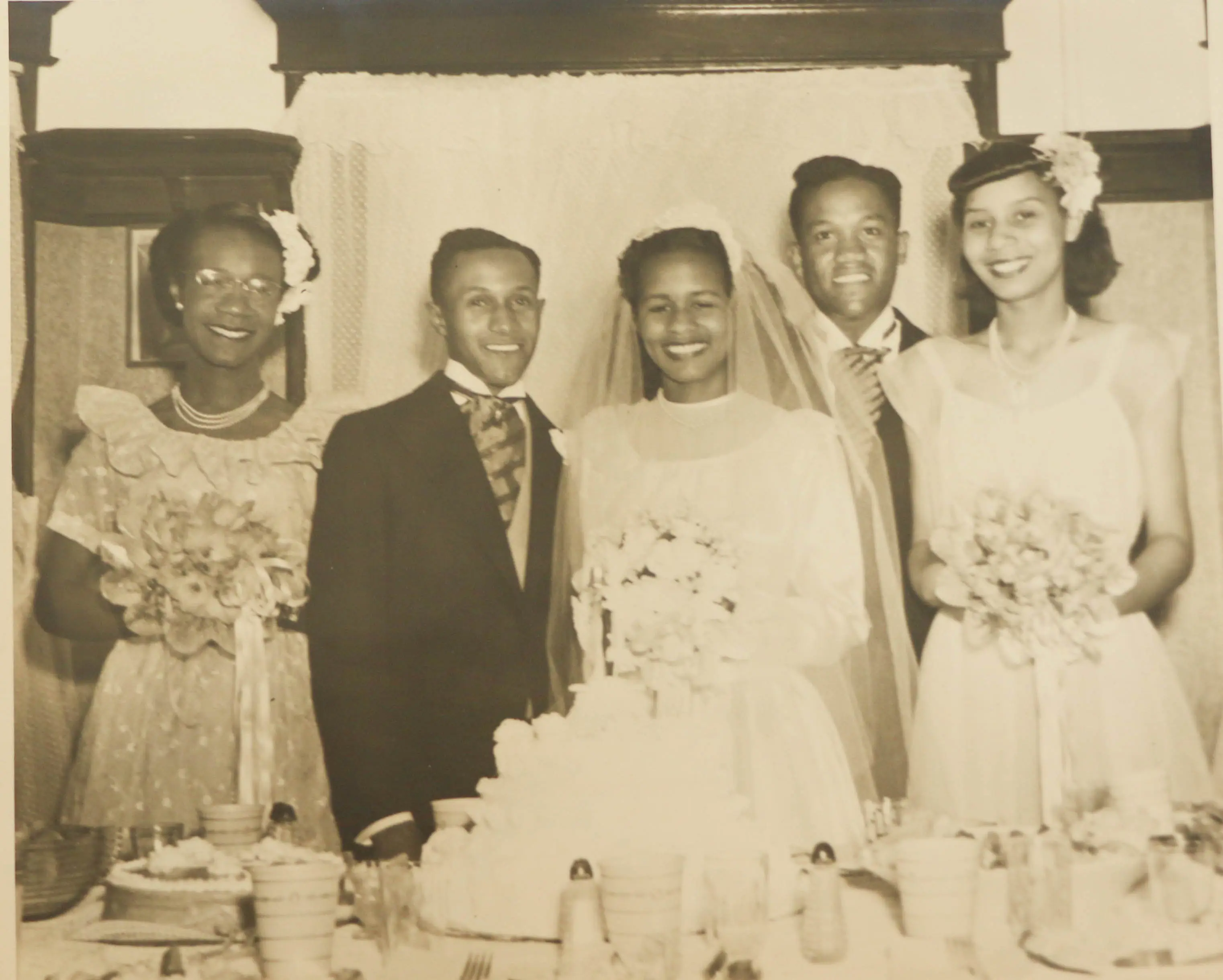
Dr. Leon Petty died in 2019 after the couple retired to live in North Carolina. He was 95 years old.
But his wish was for the rest of the family to move to Jacksonville because Lisa had a neurological medical issue and was treated for it at Mayo Clinic.
Lisa was a chiropractor. She died in 2021 at the age of 62 from complications of her condition.
Leonora is a child psychiatrist and lives in Texas.
Dr. Hester Petty will hit the century mark on May 17 and is looking forward to her milestone birthday.