
JACKSONVILLE, Fla. – There's a dangerous secret happening among teenagers and it's hard to get the full scope of how many are putting their lives at risk. Two to 3 million people exhibit some type of self-abusive behavior.
Cutting, specifically, is more common in teenaged girls. It's estimated one in every 200 girls between 13 and 19 years old cuts herself regularly.
But that's a modest number considering most girls never talk about it. However, 16-year-old Kassidy Crews is now sharing her story to let others like her know, help is available and it's possible to beat the addiction.
Just spending time with Kassidy, you can see she loves herself now, but that wasn't always the case for the Jacksonville teen. Her story actually starts when she was an infant. The State of Florida took Kassidy away from her mother when she was just a baby and their relationship was non-existent and painful for her in many ways.
"I used to cut over my mom and the fact that my dad was never around and when I reached out to him, i was told that he said he didn't want anything to do with me," said Kassidy.
She was a cutter. She sliced into her skin until she bled and then she would hide the wounds left behind. She said the physical pain would dull the emotional and mental pain she felt of her birth parents not being around.
"First it's like I would sit there and it was like, do I really wanna do this? And later on it just became this, every time I got upset, it was the first thing that popped into my head like I gotta do it. I gotta do it," Kassidy explained.
UNCUT: Kassidy talks to Melanie Lawson about cutting
It was an addiction until the day she cut too deep.
"I cut really deep, and I cut a lot. I did it with an unclean pencil sharpener. My arm became really infected. and I couldn't hide it anymore, I had to tell her," said Kassidy.
She told her grandmother, Alexis Lloyd, who immediately turned to the Daniel Kids Foundation.
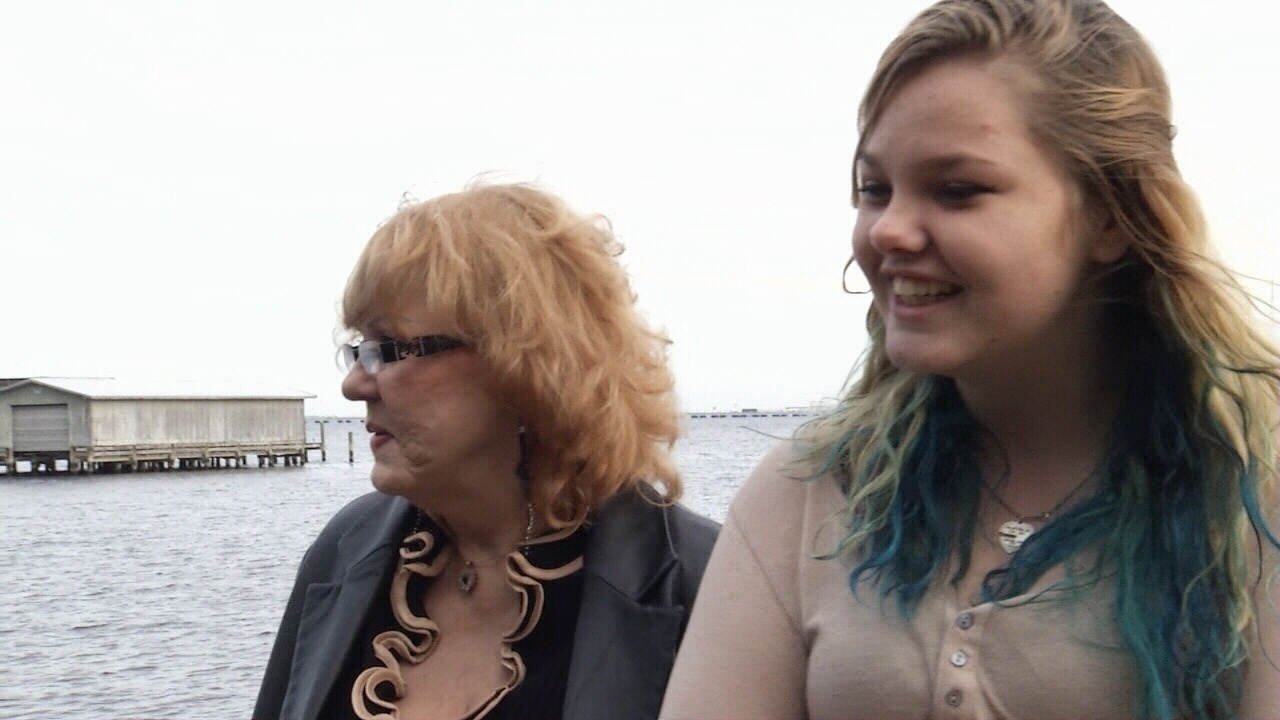
"When they come to Daniel we have to work with them and hear their story, understand where they are coming from," explained Rebecca Van Dellen, the Director of Residential Programs at Daniel.
Kassidy's grandmother enrolled her in the inpatient program there. She lived on campus and worked with Daniel staff for four months. Kassidy says at first, it was devastating to her.
"I cried like a baby and I was so mad and it was horrible," she said.
But about two weeks into treatment, she says realized this could be a turning point in her life.
"I just broke down in tears, where I was like, you know, I'm not going go home until this is fixed. So there's no point in faking it, going home, doing it again and possibly be dead or going somewhere for a longer stay," Kassidy explained. "I have the opportunity to fix it for a short amount of time, I'm like, I need to do this for myself and for my family."
"We start to build a path with them and their families on where to go on how to help them and making sure that they can build those coping skills and learn some techniques on how to improve their behaviors, improve their feelings and really have a successful future," added Van Dellen.
Kassidy is no longer cutting. She's a confident, beautiful, loving teenager who realizes she deserves true happiness.
"I realized that even though I thought, at first you know, I couldn't do it, I'm not alone in this. There are people that care and people that want to help. If it wasn't for Daniel, I probably wouldn't be alive. It's stupid to say that I would do that over someone and my first suicide attempt was over something someone said. I don't want someone else to feel like they're alone and that's the only option," Kassidy said.
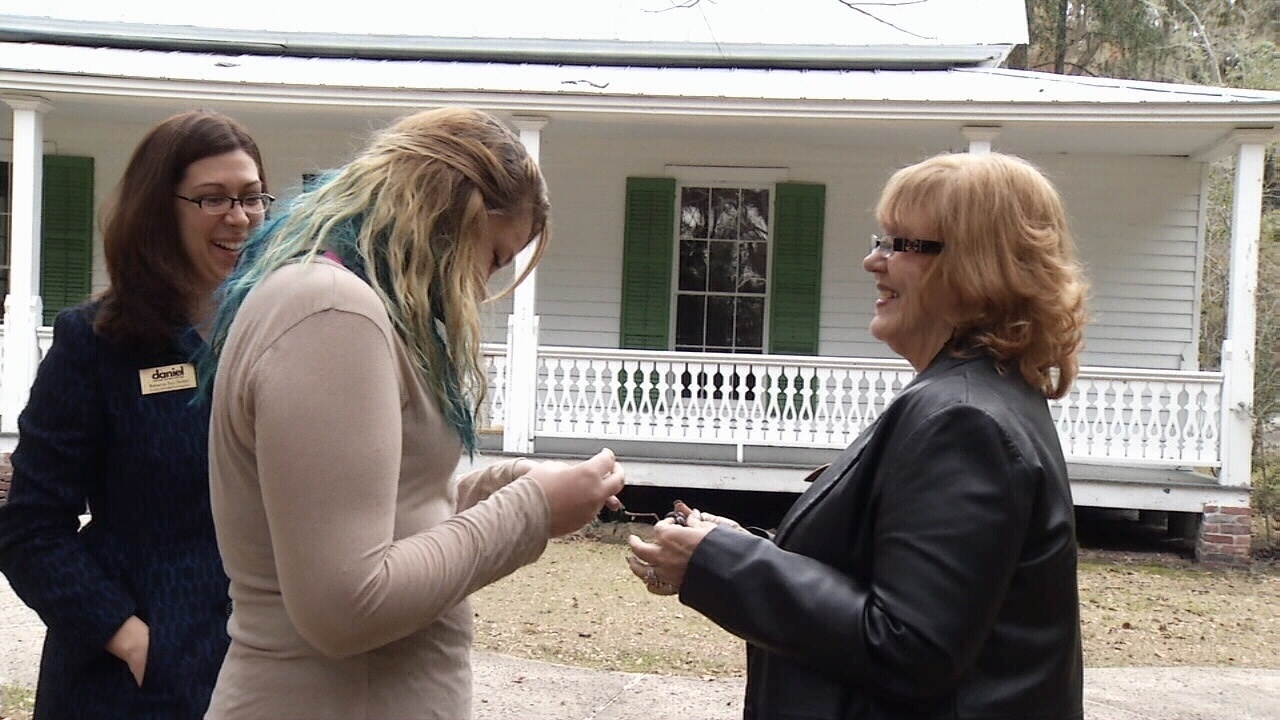
The Jacksonville teen hasn't cut now in 6 months and she has big plans for her future. At first she wanted to be a homicide detective but now instead of death she's focusing on life. Kassidy plans to open up a facility like Daniel to help kids who are lost, find their way.
For more information on Daniel and help available, you can go to danielkids.org or call (904) 296-1055.
Self-Injury
Signs and symptoms may include:
- Scars, such as from burns or cuts
- Fresh cuts, scratches, bruises or other wounds
- Broken bones
- Keeping sharp objects on hand
- Wearing long sleeves or long pants, even in hot weather
- Claiming to have frequent accidents or mishaps
- Spending a great deal of time alone
- Pervasive difficulties in interpersonal relationships
- Persistent questions about personal identity, such as "Who am I?" "What am I doing here?"
- Behavioral and emotional instability, impulsivity and unpredictability
- Statements of helplessness, hopelessness or worthlessness
One of the most common forms of self-injury is cutting, which involves making cuts or severe scratches on different parts of your body with a sharp object. Other forms of self-harm include:
- Burning (with lit matches, cigarettes or hot sharp objects like knives)
- Carving words or symbols on the skin
- Breaking bones
- Hitting or punching
- Piercing the skin with sharp objects
- Head banging
- Biting
- Pulling out hair
- Persistently picking at or interfering with wound healing
According to the Mayo Clinic, most frequently, the arms, legs and front of the torso are the targets of self-injury because these areas can be easily reached and easily hidden under clothing. But any area of the body may be used for self-injury. People who self-injure may use more than one method to harm themselves.
Because self-injury is often an impulsive act, becoming upset can trigger an urge to self-injure. Many people self-injure only a few times and then stop. However, for others, self-injury can become a long-term, repetitive behavior.
Although rare, some young people may self-injure in public or in groups to bond or to show others that they have experienced pain.