

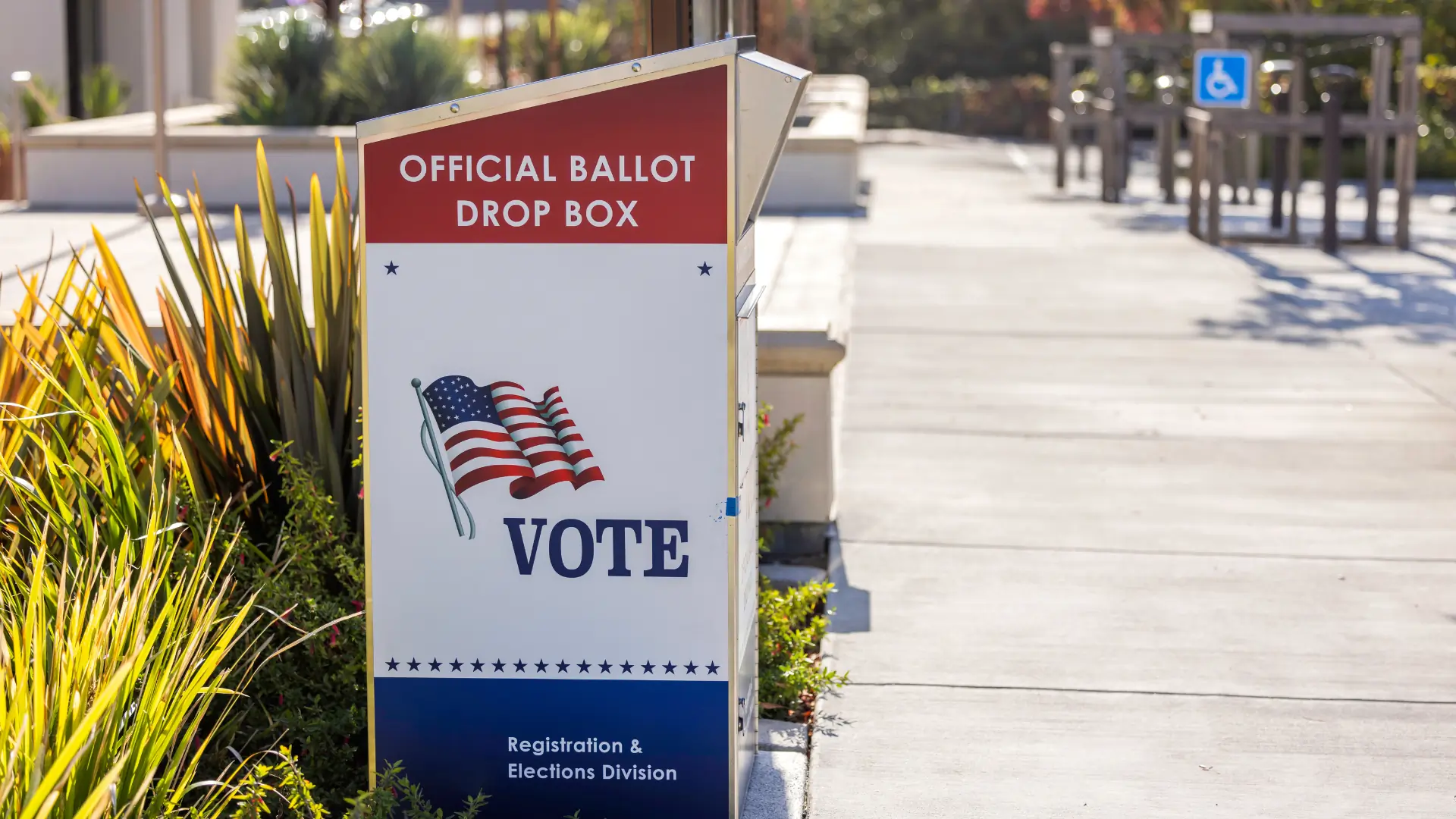
JACKSONVILLE, Fla. – Voters in Duval, Nassau and Clay counties are deciding Tuesday whether to extend a 1-mill property tax that helps fund their local school districts.
The measure renews an existing tax, not a new one. One mill equals $1 for every $1,000 of taxable property value — or $300 a year on a home with a taxable value of $300,000.
Recommended Videos
The measure is separate from Amendment 3, a proposed statewide property tax change also on the ballot. School district property taxes are exempt from the potential overhaul.
The districts have different plans for the revenue. Duval’s ballot language says the money would support teacher, security and staff compensation, academic programs, arts, athletics and student activities. State law requires districts to share a portion with charter schools; Duval keeps 81% of the funds, with charter schools receiving 19%.
Nassau’s renewal would support employee compensation, school safety, arts and athletics. The district says 70% of the money has gone to employee compensation, 12% to school safety, with the rest split between arts and athletics.
Clay’s measure would fund school safety and security, as well as competitive compensation to attract and retain teachers and staff. The district’s ballot guide says the tax would extend the existing levy through June 30, 2031, with expenditures reviewed by an independent citizens’ oversight committee.
Supporters point to the tax’s role in school staffing and student safety. A Duval County parent said the tax costs her about $16 a month and that its impact is significant. A school district attorney urged voters to consider how each district plans to use the money and its effect on their property taxes.
If approved, each extension would continue the tax for another four years.