

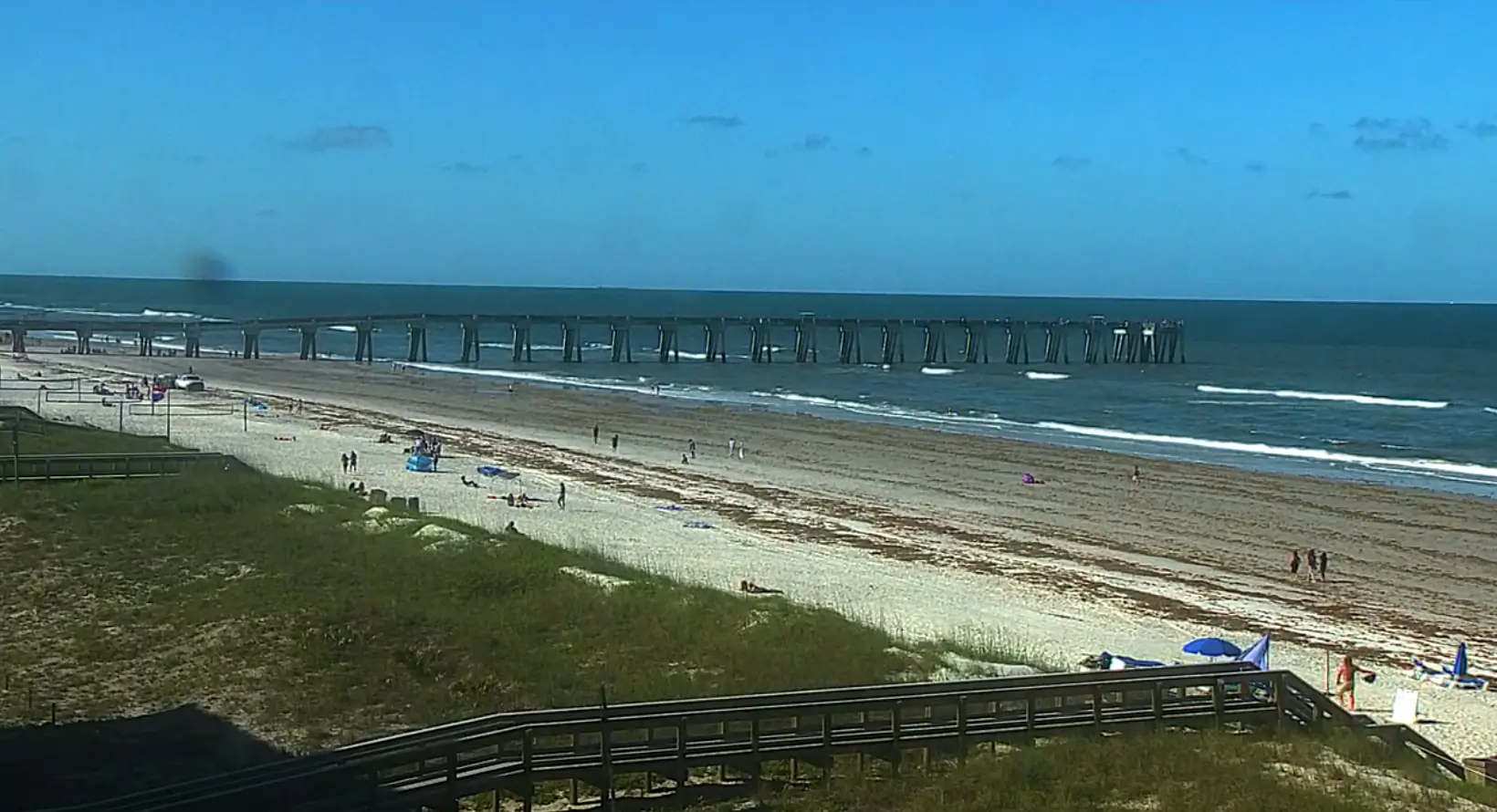
If you’ve visited the beach recently, you may have noticed massive piles of brown seaweed blanketing the shoreline. That seaweed is called sargassum — and it’s washing up in droves along Florida’s east coast.
According to the National Oceanic and Atmospheric Administration (NOAA), sargassum is technically an algae. Free-floating sargassum has long been common off the U.S. eastern seaboard, where it plays a critical role in ocean ecosystems — providing food, shelter, nursery areas and breeding grounds for fish, sea turtles and birds.
Recommended Videos
But in recent years, the situation has changed dramatically. NOAA reports that since 2011, sargassum has been appearing in significantly greater abundance across the tropics, stretching from Africa to the Caribbean Sea and the Gulf of America.
The problem isn’t just visual. When sargassum decomposes on the beach, it releases hydrogen sulfide gas — a foul-smelling compound that reeks of rotten eggs. The decomposing seaweed also attracts flies and other insects, creating an unpleasant experience for beachgoers.
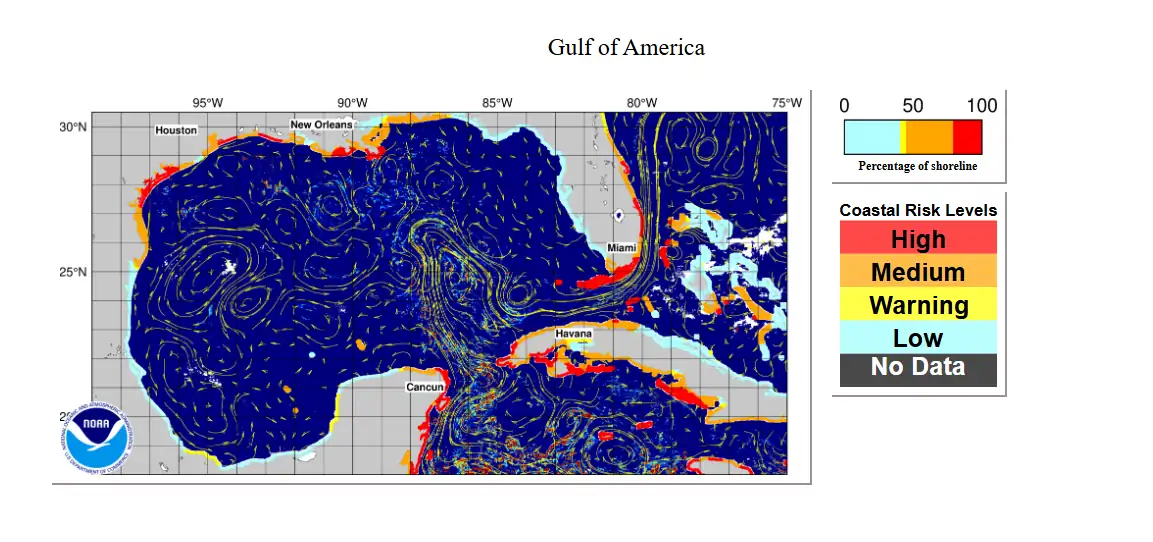
To help track the issue, NOAA developed the Sargassum Inundation Risk (SIR) tool, which provides daily reports on sargassum location and inundation risk for coastal areas across the Caribbean, Florida, the Gulf of America and northern South America.
According to the SIR tracker, Northeast Florida is currently in the warning zone, while south and central Florida are experiencing even higher concentrations of sargassum along their coastlines.
