

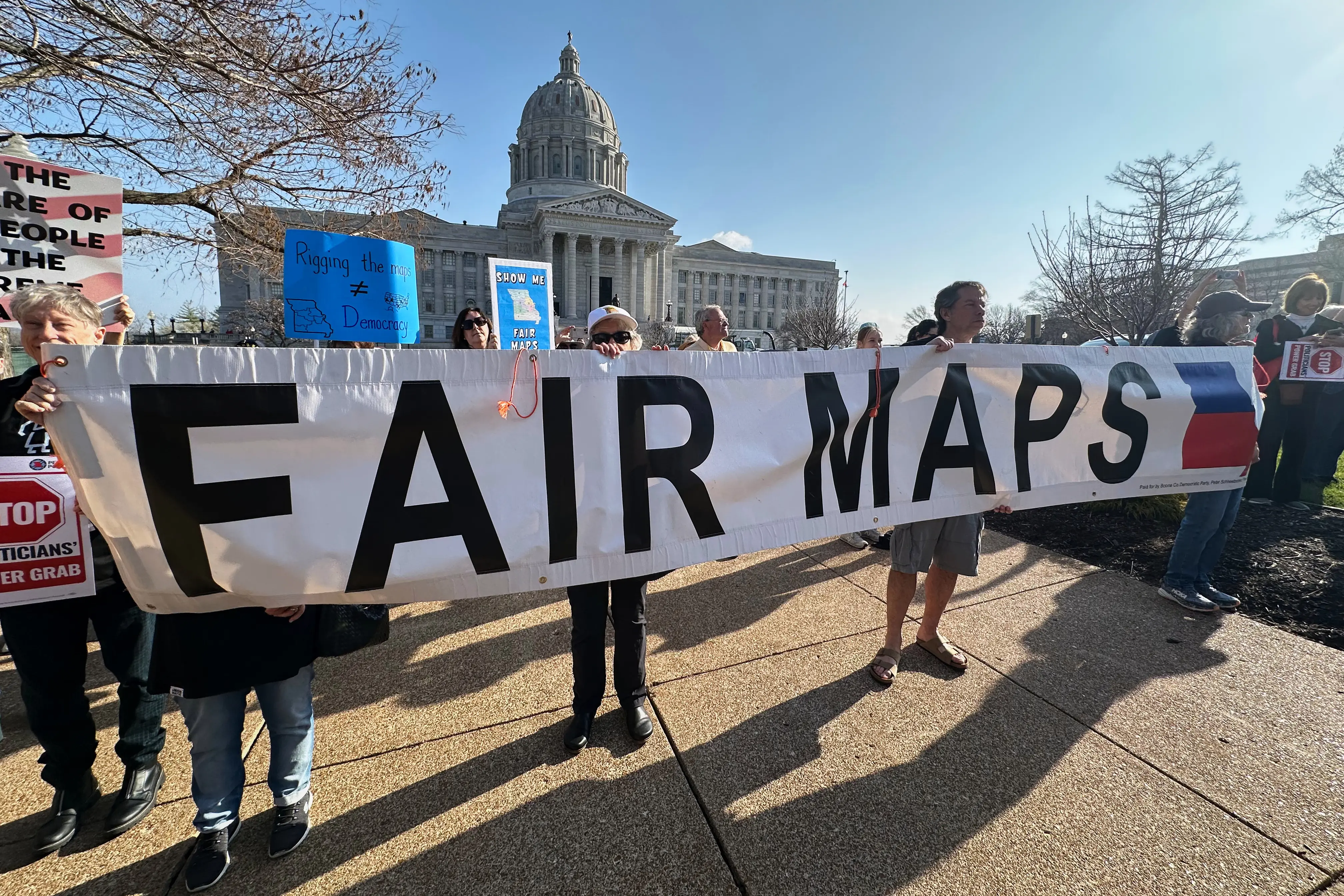
The Supreme Court on Friday turned away an attempt to use a new Missouri congressional map backed by President Donald Trump, putting an end to a long-running legal dispute as absentee voting is underway in the midterm elections.
The justices halted a federal appeals court ruling that would have revived the Republican-friendly map for the November elections, which will determine control of Congress. There were no noted dissents.
Recommended Videos
The Supreme Court instead let stand a decision by the Missouri Supreme Court, which ruled earlier this month that a citizen petition prevents the new map from being used unless first approved by voters in a November referendum. The decision means Missouri residents will vote under the same congressional districts used in the 2024 and 2022 elections.
“At this late date, ordering reversion to the 2025 map in the midst of an ongoing election would usher in electoral chaos,” the high court wrote in an unsigned opinion. “The District Court and Court of Appeals should not enjoin or otherwise prohibit the use of the 2022 map in the 2026 congressional election in Missouri.”
Republicans had hoped the new House map — which already was used in the August primaries — could help them win an additional seat as part of a nationwide redistricting battle pushed by Trump to gain an edge in the midterms.
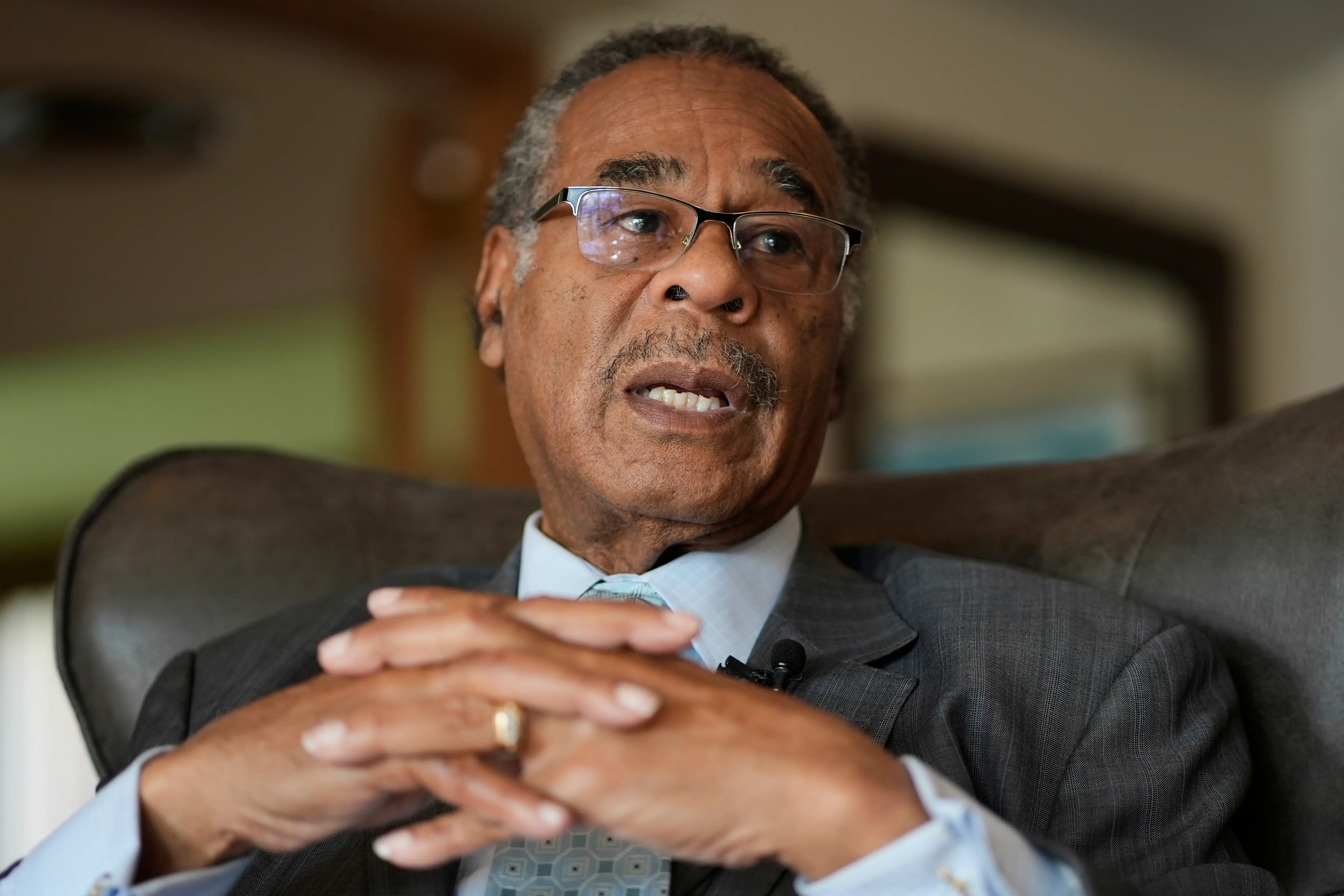
The new map had targeted a district held by longtime Democratic Rep. Emanuel Cleaver.
“I think my reelection prospects shot up significantly,” a jubilant Cleaver said after the Supreme Court ruling.
A panel of the 8th U.S. Circuit Court of Appeals had ruled Monday that switching districts between the primary and general elections would violate the U.S. Constitution. The panel directed a district judge to bar Missouri from using anything other than the new map but delayed the order's effect until next Monday to allow time for an appeal to the Supreme Court.
The legal wrangling has caused confusion for more than a million potential Missouri voters — nearly 1 in 4 statewide — who were shifted from one district to another, resulting in different candidates on their ballots. Absentee voting began Tuesday under the 2022 congressional districts. Thousands of ballots already had been mailed, and some already have been cast.
A decision from the Supreme Court is “a big sigh of relief," said Kansas City election director Shawn Kieffer. He added, "We just want it over, so we can do our job properly.”
Republican redistricting focused on Kansas City
Republicans currently hold six of Missouri's eight House districts. At the urging of Trump and Republican Gov. Mike Kehoe, Missouri lawmakers last September passed revised districts that were intended to help them win seven seats in the midterms.
The redistricting significantly reshaped a Kansas City-based district held by Cleaver. It shed parts of Kansas City to neighboring districts with Republican incumbents and stretched the remainder of Cleaver's 5th Congressional District far eastward into rural Republican areas.
The result was about 59% of potential voters were new to the district, according to an Associated Press estimate. The ripple effects also shifted some voters in most of Missouri's other congressional districts.
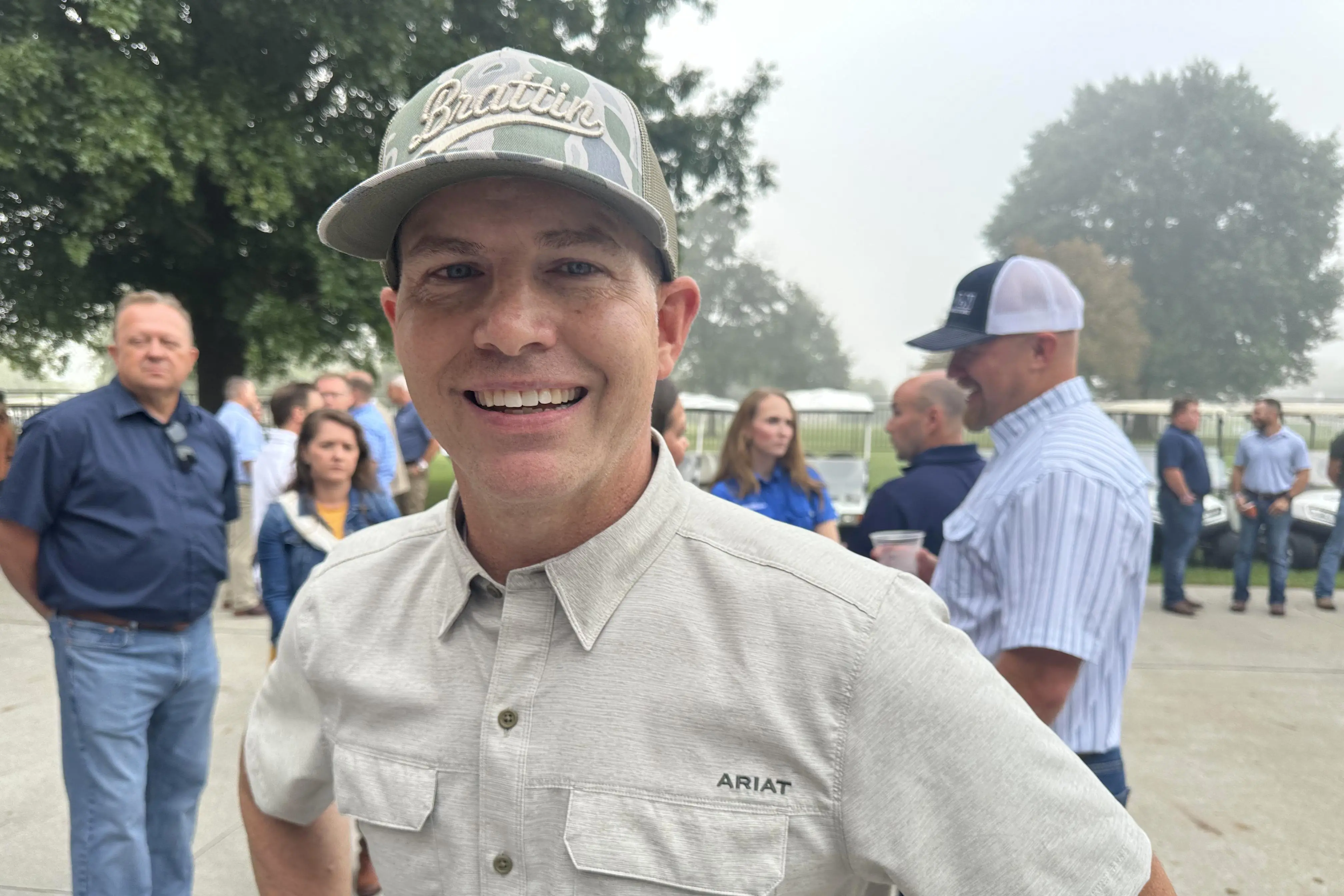
Cleaver was unopposed in the Democratic primary. Republican state Sen. Rick Brattin won a six-way Republican primary under the revised districts. They remain the candidates for the general election, even though the district boundaries have reverted to their prior lines.
Cleaver said the court ruling affirms the people's right to use to referendum petitions against state legislative actions they don't like.
“We just received a healthy dose of encouragement that the voice of people in the United States still matters," he said.
Brattin was a plaintiff, along with Republican Rep. Bob Onder and two other voters, in a federal lawsuit that led to the 8th Circuit's ruling and the last two appeals to the Supreme Court. He had no immediate comment.
Missouri's redistricting prompted a big legal fight
At least 16 lawsuits have been filed in state and federal courts related to Missouri's congressional redistricting. The battle has been the longest and most complex among roughly a dozen states that sought to change their U.S. House districts over the past year.
Missouri's new map survived most of the lawsuits, including ones contending that mid-decade redistricting violated the state constitution and that the new districts ran afoul of requirements to be compact. In one case, the Missouri Supreme Court allowed the new districts to be used while election officials worked to verify petition signatures seeking to put the map to a statewide vote.
Republican Secretary of State Denny Hoskins waited until the legal deadline on Aug. 4 — the day the new districts were used in the primaries — to reject the petition. He asserted referendum petitions aren't allowed for congressional redistricting.
The Missouri Supreme Court ruled Sept. 3 that the referendum petition was valid. It ordered Hoskins not to use the new map and to instead use the districts adopted in 2022, after the last census. The U.S. Supreme Court let that ruling stand on Sept. 8. But minutes later, U.S. District Judge Stephen Clark issued a conflicting order in favor of the new map.
The U.S. Supreme Court on Sept. 10 blocked Clark's order from taking effect. That day, the Missouri Supreme Court held Hoskins temporarily in contempt for telling local election authorities to use the new map after Clark's order.
But that wasn't the end of the matter. The 8th Circuit, hearing an appeal of Clark's blocked order, ruled in favor of the Trump-backed map Monday. That's what led to the latest decision from the U.S. Supreme Court.
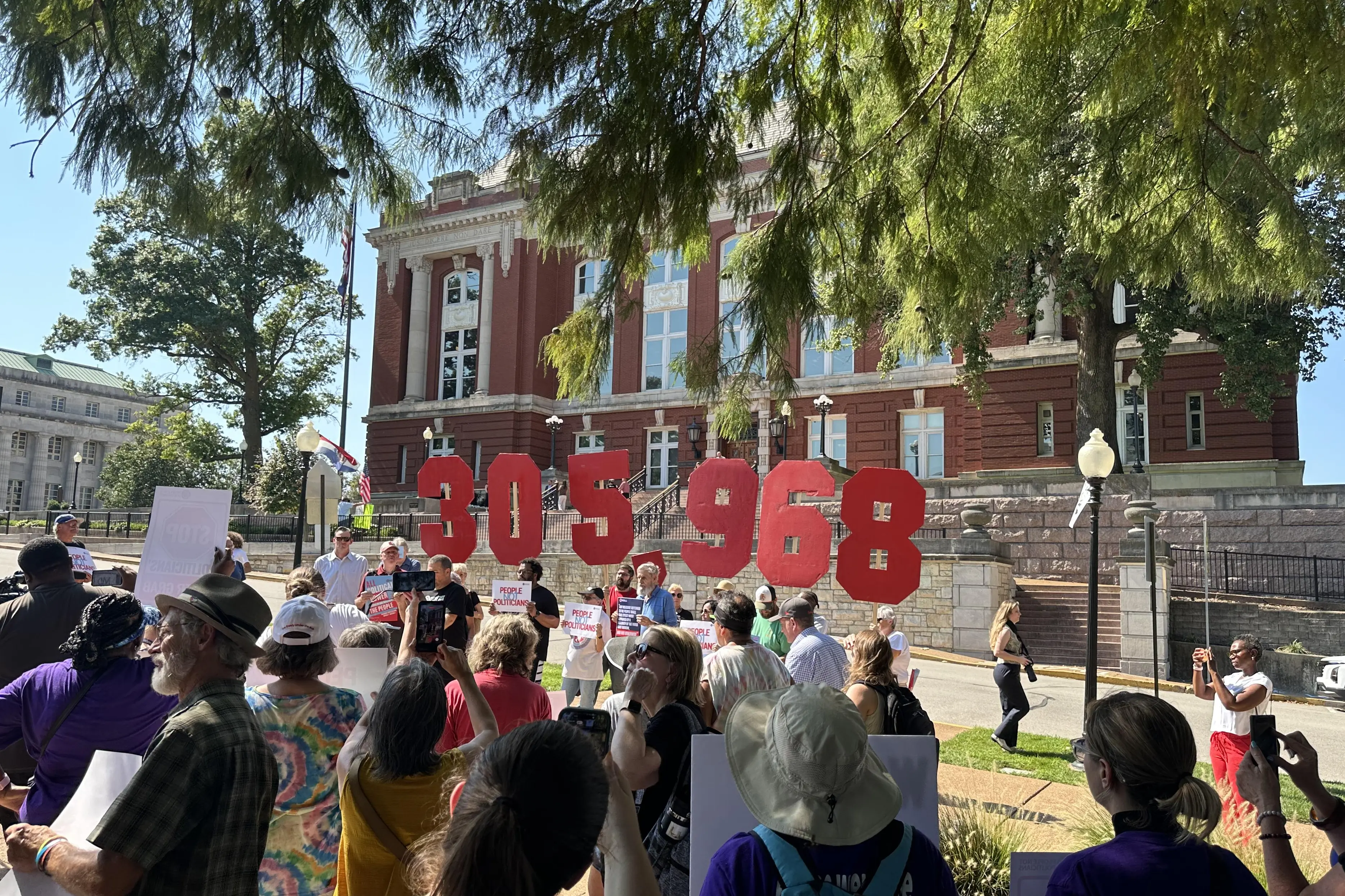
Richard von Glahn, executive director of People Not Politicians Missouri, said the group was pressing forward with its campaign to persuade voters to permanently reject the new map in the November referendum.
“We have said from the beginning, people, not politicians will be the final deciders on this DC power grab," he said in a statement.
___
Associated Press writer Lindsay Whitehurst in Washington contributed to this report.
___
Follow the AP’s coverage of the U.S. Supreme Court at https://apnews.com/hub/us-supreme-court and redistricting at https://apnews.com/hub/redistricting.