Study shows dispersant chemicals less effective in sunlight
Mark Collins, Meteorologist
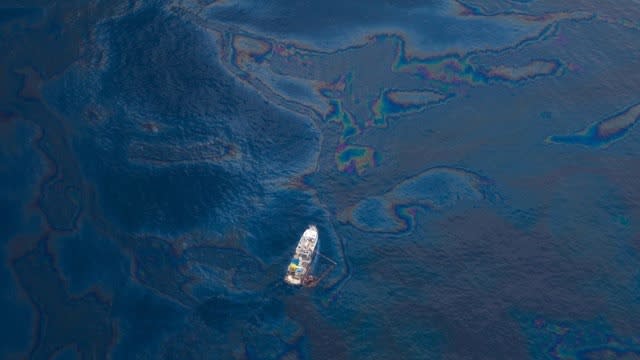
2010: In volume, BP's Deepwater Horizon oil spill overtakes Ixtoc I, which leaked 130 million gallons off Mexico's coast from 1979 to 1980, to become the worst oceanic oil spill in U.S. recorded history. Before it was capped on July 15, (kris krug via Wikimedia Commons)
JACKSONVILLE, Fla – The Sun's impact on weathering oil is much greater than expected which has implications on how oil spills should be cleaned up.
Eight years after the Deepwater Horizon oil spill in the Gulf, scientists say the dispersants used to break up surface oil slicks are less effective in bright sunlight.
The new findings show that although oil remains on the surface, sunlight changed more than half of the floating oils chemical makeup within hours to days. This shrinks the cleaning window of opportunity for chemical dispersants to a point below the minimum effectiveness levels designated by the EPA.
Copyright 2018 by WJXT News4Jax - All rights reserved.