


CANNES – James Gray has been to the Cannes Film Festival enough times to not entirely trust the response his films get here, for better or worse.
“You smile and say thank you and then you fly home and your wife says take out the garbage,” says Gray.
Recommended Videos
Nevertheless, Gray's “Paper Tiger” has been one of the standouts of this year's Cannes. And at the center of the warm reception for “Paper Tiger” — which premiered Saturday and is one of only two films by American filmmakers competing for the Palme d'Or — is Miles Teller.
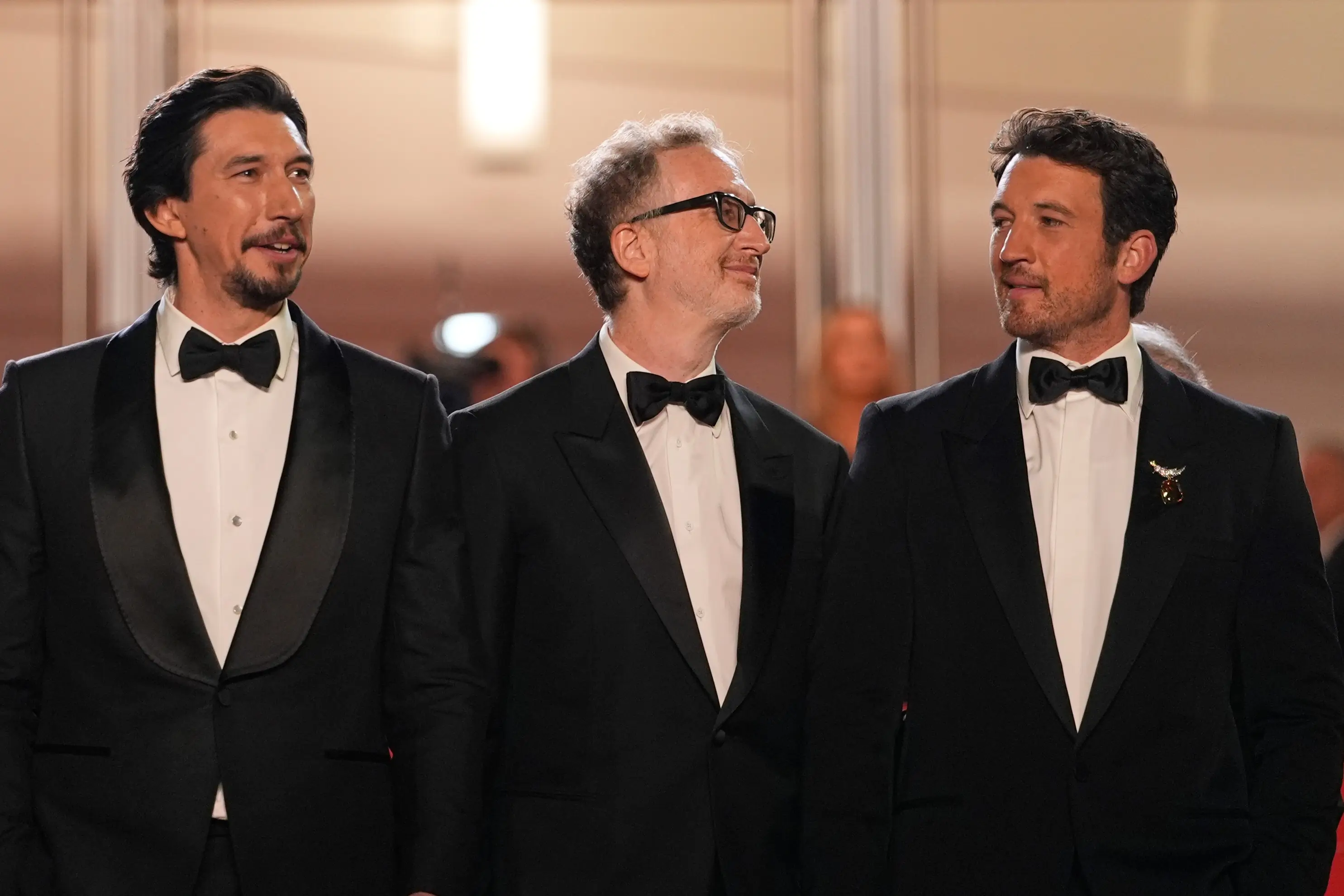
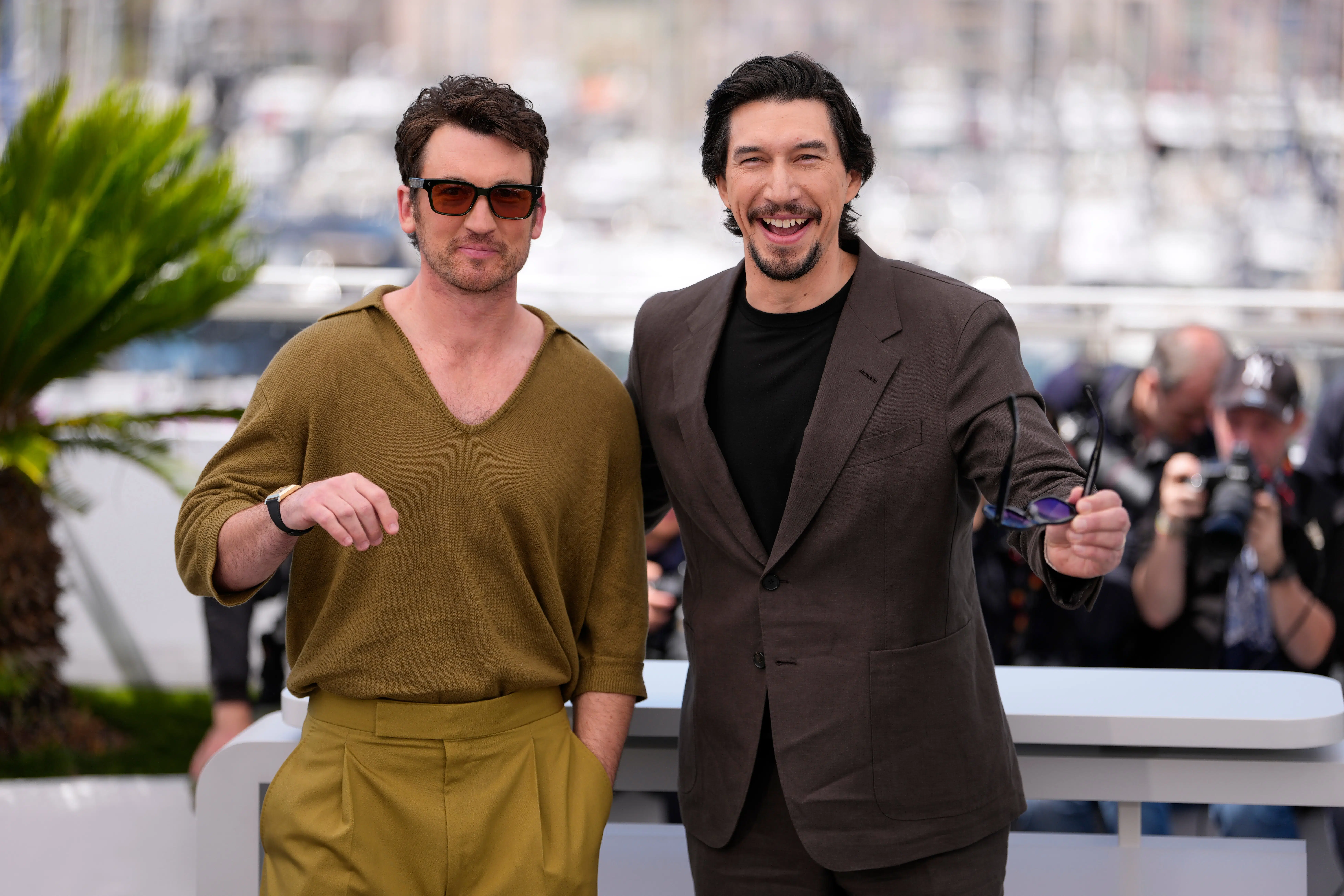
The 39-year-old actor stars in the film as Irwin Pearl, an earnest family man in 1980s New York, living contentedly with his wife (Scarlett Johansson) and two sons. After Irwin's well-connected, former police officer brother (Adam Driver) gets them involved in a scheme related to cleaning up the Gowanus Canal, Russian mafia threats put their working-class life under siege.
Gray initially conceived of the film as a kind of sequel to 2022's “Armageddon Time,” with Anne Hathaway and Jeremy Strong. But when circumstances changed, he reworked the script, made it more operatic and focused on the brother relationship.
“I did not want to play into a schlemiel quality in that character. I wanted him to have some strength and fortitude in order to portray the vulnerability,” Gray says of Teller's character. “It’s a great performance, I’m just going to say it.”
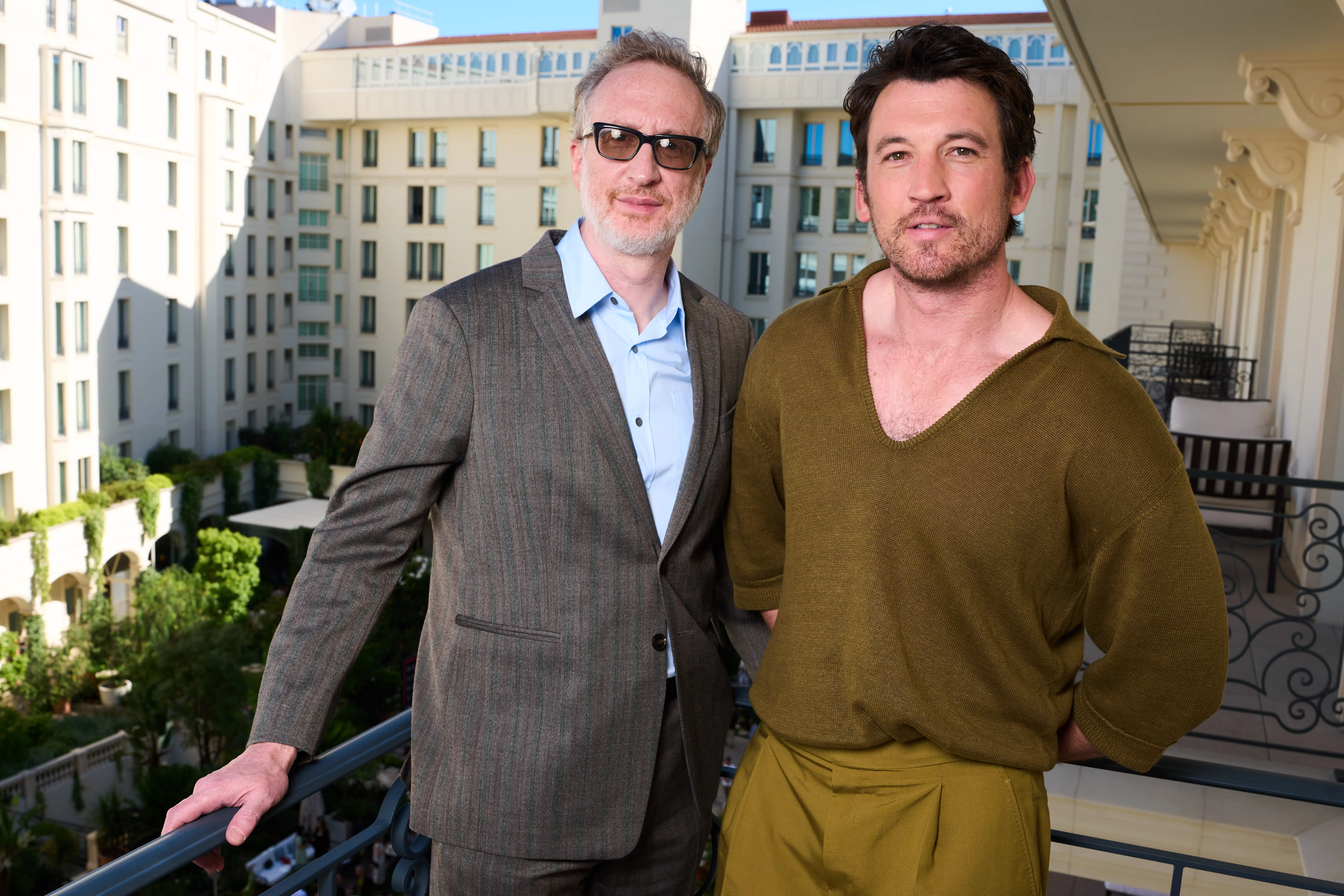
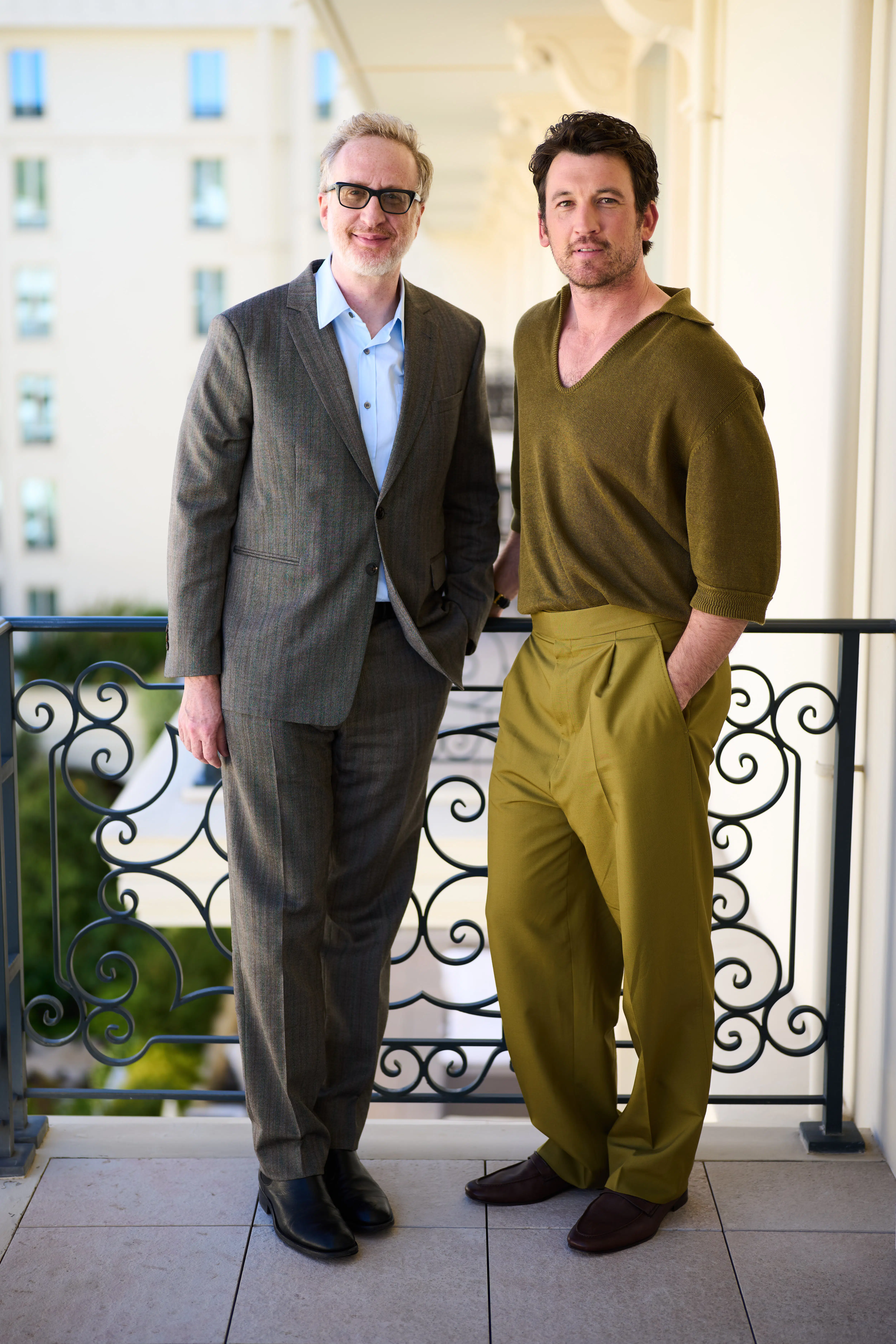
The day after “Paper Tiger” debuted in Cannes, Teller and Gray met in a hotel down the Croisette to talk about the ideas and inspirations behind the movie, which Neon will release theatrically later this year. This conversation has been edited for brevity and clarity.
AP: How did you two come together for this?
GRAY: It’s weird because I’m going to start it here. In 2004, I went to Harvard to give a talk. And one of the students came up to me and was like, “Can I talk to you?” That was Damien Chazelle. When he made “Whiplash,” he had still maintained contact with me. He had talked about this young actor he was working with that he loved named Miles Teller. So he was on my radar. Later, I saw the miniseries of “The Offer.” And that is not an easy thing to do, to convey warmth and tenderness in Albert Ruddy in the making of “The Godfather.” I remember telling my wife: This guy is really something and he has a tremendous reservoir.
TELLER: It’s interesting how I met James. We were renting a place in Santa Barbara because we had just lost our house in the fires. Everything was in such disarray. My life was very chaotic. My wife and I were just trying to figure out what tomorrow looked like. And I got a call saying James wanted to meet for this movie. Just lending my brain back to a conversation about film and this material was really satisfying because it was the last thing I was thinking about at the time. I said I’m in. I always had a lot of empathy for Irwin in this and for the Pearl family and what happened to them. But I honestly think a lot of that came from having lost my home and really looking for those feelings, of everyone being together as a family in this place that felt safe until it didn’t.
GRAY: Such a better answer than mine.
TELLER: Well, I had more trauma at the time.
AP: The film deals a lot with toxicity in American life. There's the sludge in the canal but also organized crime and cancer. It seeps into the family.
GRAY: I always saw the physical pollution in the canal as, dare I use this word, a metaphor for the moral and ethical vanquishing of the market. When you have no ability to monetize integrity, good behavior becomes a meaningless factor in a transactional world. There’s real unrest and unhappiness, and I think a lot of it comes from: I’m trying to be a good person and the system is not rewarding me for that at all. My reaction is: It’s always been that way. Most of the time, your goodness will mean nothing in an increasingly transactional environment. I don’t want to get too political, but look at the person running our country. It’s all transactional. It’s: What can you do for me? So where does that lead us? If to be a moral person doesn’t mean anything, that is an empty, empty position. That gets spread among us and we feel soulless.
AP: Miles, you've not played a family man like this before. Do you feel like you're growing into different parts?
TELLER: I’ve had a newborn in a film before but I have not played a character that’s been a father and raised kids. It was something I was kind of struggling with. Everybody I know who’s a parent has told me: You really don’t know what that feeling of love is. For me, my father and my grandfather informed this the most. These were men that were very strong, worked hard but were also very sensitive. They were the man of the house but my dad would cry at birthday cards. I just remember James telling me: “We don’t want sentimentality.”
GRAY: Jesus, did I say that? Any time one of you guys conveys one of my directions, I’m humiliated. But I think there’s a big difference between sentimentality and emotion. Sentimentality is based on a kind of synthetic idea of emotion.
TELLER: See? He’s surprised he gave that note but you can see how he feels about it.