

Hello, News4JAX Insiders!
We have a really important story for anyone who is around young children. Mary Baer recently sat down with a local family whose 10-month-old accidentally swallowed a lithium button battery. It’s those flat, round ones that come in certain electronics. Swallowing the battery is dangerous enough for a young child but it’s what happens after they’ve ingested it that is really eye-opening. Have you or someone you know ever experienced this? Reply to this email or send us one at Insider@wjxt.com. You can watch Mary’s story Thursday night starting on News4JAX at 5. But this is one of those stories we wanted you to see first. So, read her report below.
Also, in case you missed it, I wanted to let you all know about an Insider survey we hope you’ll fill out. It’s to give us an idea of what you like or might not like about the Insider program and what we can do better for you. Just CLICK HERE to fill it out. It only takes a few minutes.
Thanks, and enjoy!
- Josh Beauchamp, Audience Development Director
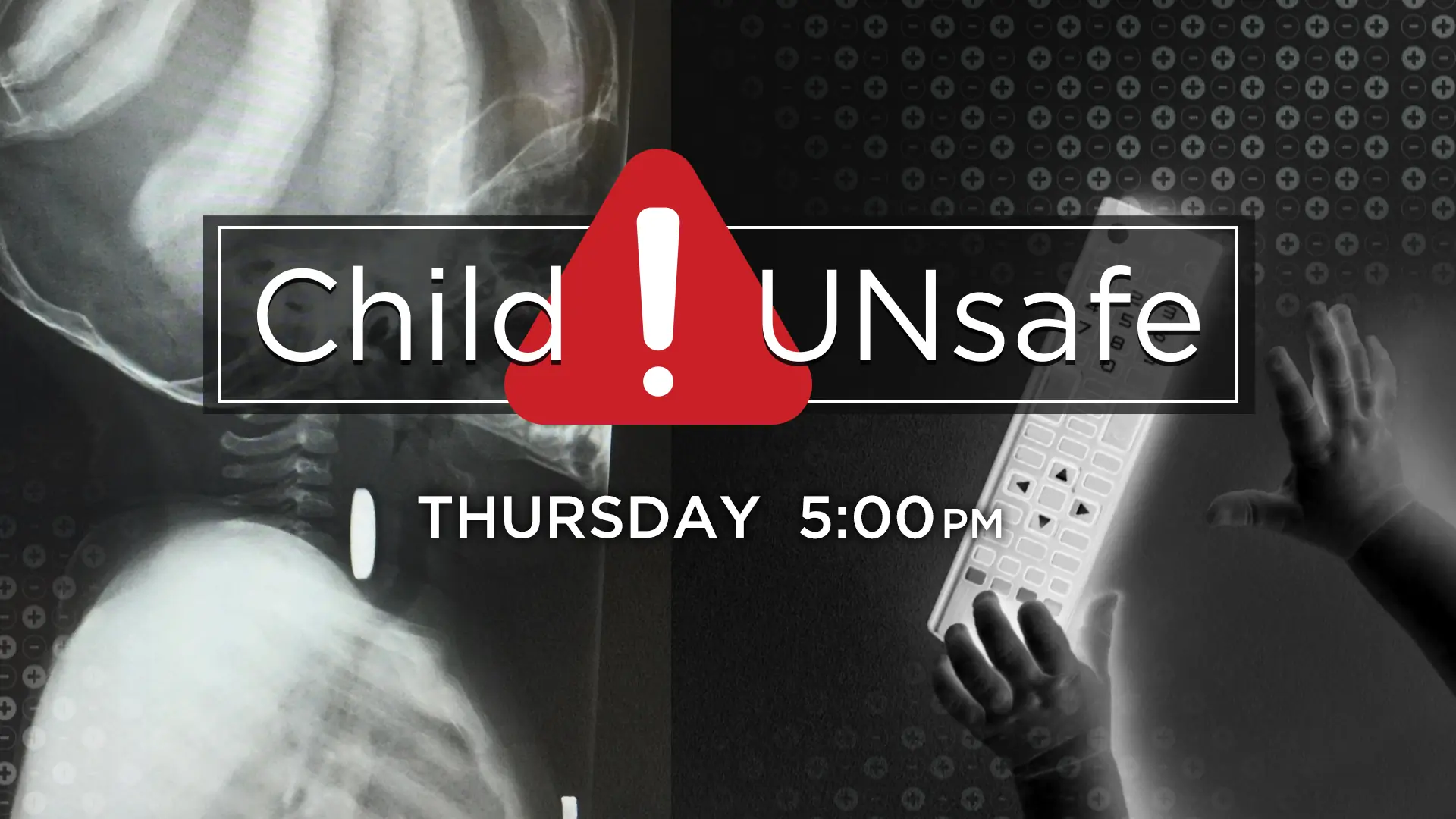
They are found in items you use every day: Your TV remote, musical greeting cards, the control for your fan, your car’s keyless remote, and even some of your kids’ toys. Button batteries come in different sizes, and tragically, hospitals are seeing more and more young children rushed into the Emergency Room after accidentally swallowing one of them.
According to Safe Kids, more than 2,800 children are treated in emergency rooms after swallowing button batteries every year – that’s one child every three hours.

Local family’s nightmare
It’s painful, extremely dangerous, and can be life-threatening for children who ingest lithium batteries. One local family found that out when their baby girl got her hands on one. It popped out of a TV remote when 10-month-old Ava Kate was playing with it. Her grandmother, Billie Jo Burr, says it sent the family on a journey of over 18 months, with their little girl undergoing approximately 40 operations.
“She almost died a handful of times throughout all of that process.”
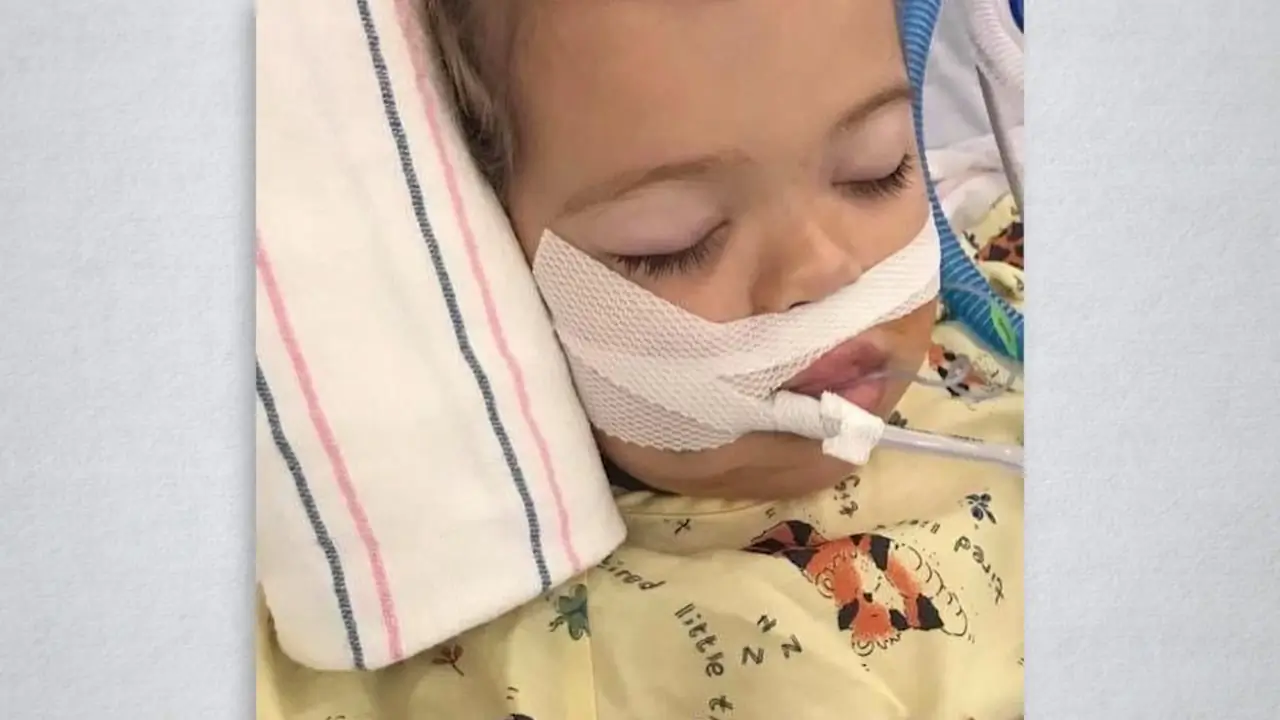
A nickel-size battery got stuck in her granddaughter’s throat. She was rushed to the hospital. Burr says the battery remained lodged in Ava Kate’s esophagus for a total of about 4 hours and says the battery began “cooking” into her tissue. Surgeons had to dig it out.
“What we didn’t know at the time ourselves, was that the button battery will start eating through the wall of the esophagus immediately. The saliva completes the electrical circuit.”

We wanted to see it for ourselves: We placed a button battery on a raw chicken breast and left it there for four hours, the same length of time the battery was trapped in Ava Kate’s throat.
What we found was chilling: Almost immediately, the battery began bubbling and eating away at the raw chicken, leaving a charred ‘scar’ behind. Burr says the battery removed from Ava Kate’s throat was blackened and corroded -- And it was just the beginning.
For more than a year, the little girl could only drink PediaSure; she couldn’t swallow anything solid, which meant the family was on edge -- frightened she might choke at any time.
Burr says dozens of operations had surgeons recreating what the battery burned.
“They took the bad part of the esophagus out that had so much scar tissue that she couldn’t swallow anything -- that was just blocking anything from going down. They removed that and they stretched it up and stitched it, and now she has a nice new smooth wall of her esophagus which allows her to eat,” she explained.
Burr says today is a relief because their granddaughter is about to celebrate her 7th birthday, as a now healthy and happy kindergartner.
Mission to protect children
Even though Ava Kate is doing well, Burr isn’t resting. She’s now on a mission to help protect other children and families. She learned about Reese Hamsmith who was just one and a half years old when she swallowed a button battery.
“(Reese) is no longer with us,” Burr said. “This has to stop.”
Burr has joined Reese’s grieving mom to try to help her pass Reese’s Law. The legislation would ensure that all items using button batteries are made child-proof.
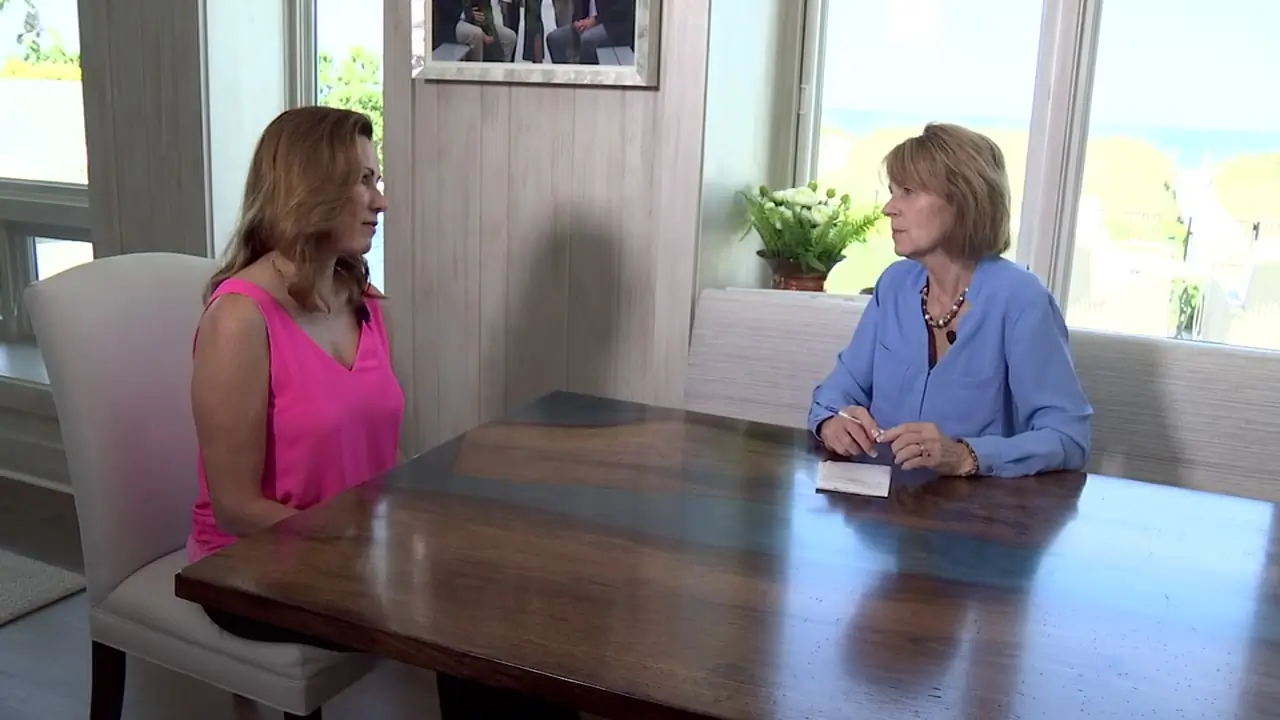
Florida Congressman John Rutherford is one of the many U.S. lawmakers that Burr has contacted -- urging him to help pass Reese’s Law.
The Republican Representative from Jacksonville told News4JAX, that he was shocked when he heard about the hazards of button batteries.
“I had no idea that the battery would literally heat up and cook the inside of their throat,” he said.
Rutherford says he’s frustrated that the Consumer Product Safety Commission hasn’t done more to protect kids from the batteries. He supports the passage of a law to make products with lithium batteries, child-proof while requiring warning labels and safety information that’s obvious to adults.
“Honestly, I never looked at a button battery and worried about it being swallowed. I look at them a lot differently now,” he added.
We contacted the Consumer Product Safety Commission, and while the agency says it cannot comment on specific cases, a spokesperson told News4JAX the larger button batteries -- like the one that injured Billie Jo Burr’s granddaughter Ava Kate, are called coin cells, and they have a higher voltage than others. CPSC says they are more hazardous and are associated with more serious and fatal cases, adding, “It is most important to get the child to the emergency room as soon as possible if you believe a child has ingested a coin cell.”
Currently, in the United States, there are no mandatory standards for button batteries. Voluntary Standards requirements for child-resistant packaging, warning labels, and keep-out-of-reach pictograms are required for lithium coin cell packaging. And, the CPSC says staff is working with industry officials on warning labels and pictograms for the non-lithium button battery packaging.
Reese’s Law

Congressman Rutherford says Reese’s Law has bipartisan support in Congress but says it needs “more attention.” Rutherford encourages you to contact your lawmaker and tell them to co-sponsor the bill. Find your congress member here.
Billie Jo Burr is urging people to support Reese’s Law by going to https://www.reesespurpose.org/ and then clicking the red “take action” button to sign the petition.
Burr says she is grateful for her granddaughter’s eventual recovery. She shared with News4JAX one of the prayers she sent up during the painful process:
“I ask that you be with all of us, her family. Provide faith, and the ability to see your hand in all of this to grow closer to you throughout her miraculous healing process. Amen. Thank you.”
Know the dangers
Complications from ingesting a button battery can be deadly. Between 1977 and 2020 at least 65 children died. And doctors say even after the battery is removed, the tissue damage can continue to worsen -- for up to two weeks.
If a button battery is ingested, immediately seek medical attention. But, unless you’ve seen a child ingest one, it can be difficult to know it’s even happened. Experts say a child may not be able to tell an adult. Even many first responders have a tough time determining if that’s what’s happened.
The child can present with flu-like conditions, wheezing, and coughing, but no other indications that they’ve swallowed a lithium battery that’s burning the inside of their throat.
The CPSC urges adults to keep all remotes and electronics with button batteries out of the reach of children -- especially if they don’t have a screw to secure them. And when discarding button batteries, the CPSC says to place them in a child-resistant container, such as a pill bottle, and discard them in a battery collection center. The CPSC says in one incident, a child removed the coin cell from the trash.
Enhance your Insider experience 🌟
