

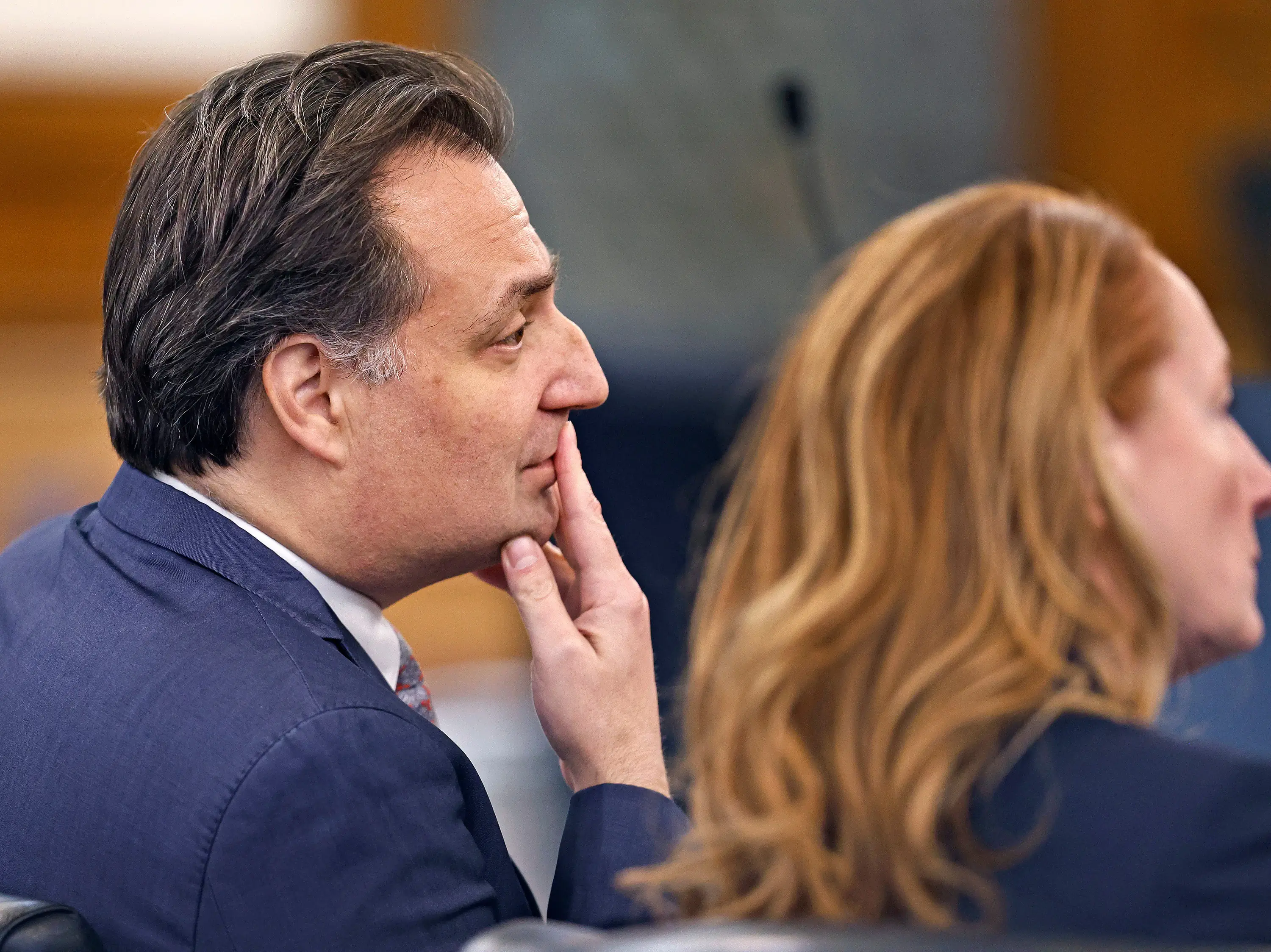

BOSTON – Brian Walshe was found guilty Monday of first-degree murder in the grisly death of his wife, whom he was accused of killing and dismembering nearly three years ago while he awaited sentencing in an art fraud case relating to the sale of two fake Andy Warhol paintings.
Ana Walshe, a real estate agent who immigrated from Serbia, was last seen early Jan. 1, 2023, after a New Year’s Eve dinner at the couple’s home.
Recommended Videos
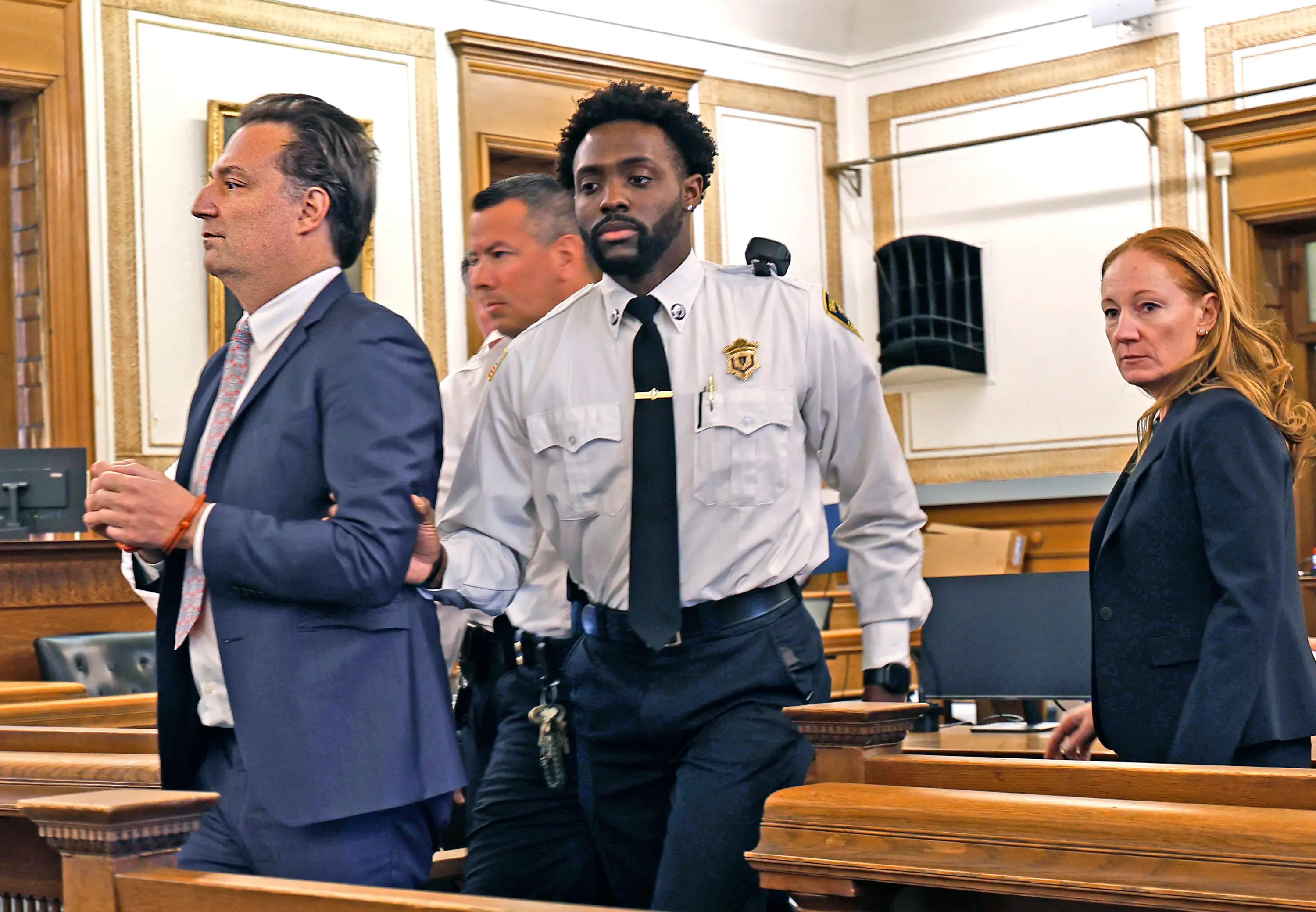
There was no reaction in the courtroom or from Walshe as the verdict was read. Walshe, who faces life in state prison without parole, is scheduled to be sentenced Wednesday. He was handcuffed and shackled before being led out of the courtroom. Last month, Walshe plead guilty to lesser charges of misleading police and illegally disposing of her body.
“It’s not about winning or losing. It’s about getting the right answer and this was the right answer,” Norfolk County District Attorney Michael Morrissey told reporters outside court. “We don’t look at cases as wins or losses. We look at getting justice for someone, so let's not lose sight of that fact.”
Morrissey said his office had heard from Ana Walshe's sister, who told them “justice had been served.”
A digital trail of evidence
Prosecutors leaned heavily on digital evidence in presenting their case against Brian Walshe, including online searches such as as “dismemberment and best ways to dispose of a body,” “how long before a body starts to smell” and “hacksaw best tool to dismember” that were found on devices connected to him.
Investigators also found searches on a Macbook that included “how long for someone missing to inherit,” “how long missing to be dead,” and “can you throw away body parts,” prosecutors told the jury.
An article titled “is it possible to clean DNA off a knife,” a search for “best way to dispose of body parts after murder” as well as websites and searches about “cleaning blood with ammonia, bleach and hydrogen peroxide” were also highlighted during trial.
Surveillance video also showed a man resembling Walshe throwing what appeared to be heavy trash bags into a dumpster not far from their home. A subsequent search of a trash processing facility near his mother’s home uncovered bags containing a hatchet, hammer, sheers, hacksaw, towels and a protective Tyvek suit, cleaning agents, a Prada purse, boots like the ones Ana Walshe was last seen wearing and a COVID-19 vaccination card with her name.
Prosecutors told the jury that the Massachusetts State Crime Laboratory examined some of the items for DNA and found Ana and Brian Walshe’s DNA on the Tyvek suit and Ana Walshe’s DNA on the hatchet, hacksaw and other items.
There were several possible motives for the killing that were floated by prosecutors.
It could have been financial. An insurance executive testified that Brian Walshe was the sole beneficiary of Ana Walshe's $1 million life insurance policy.
But prosecutors also portrayed a marriage that was falling apart, with Brian Walshe confined at home in Massachusetts awaiting sentencing on the art fraud case while Ana Walshe worked in Washington, D.C., and commuted back home.
Also the year before she died, his wife had started an affair, details of which were shared in court by her boyfriend William Fastow. Brian Walshe's attorney denied that his client knew about the affair.
Defense: Walshe's death was ‘sudden’ and ‘unexplained’
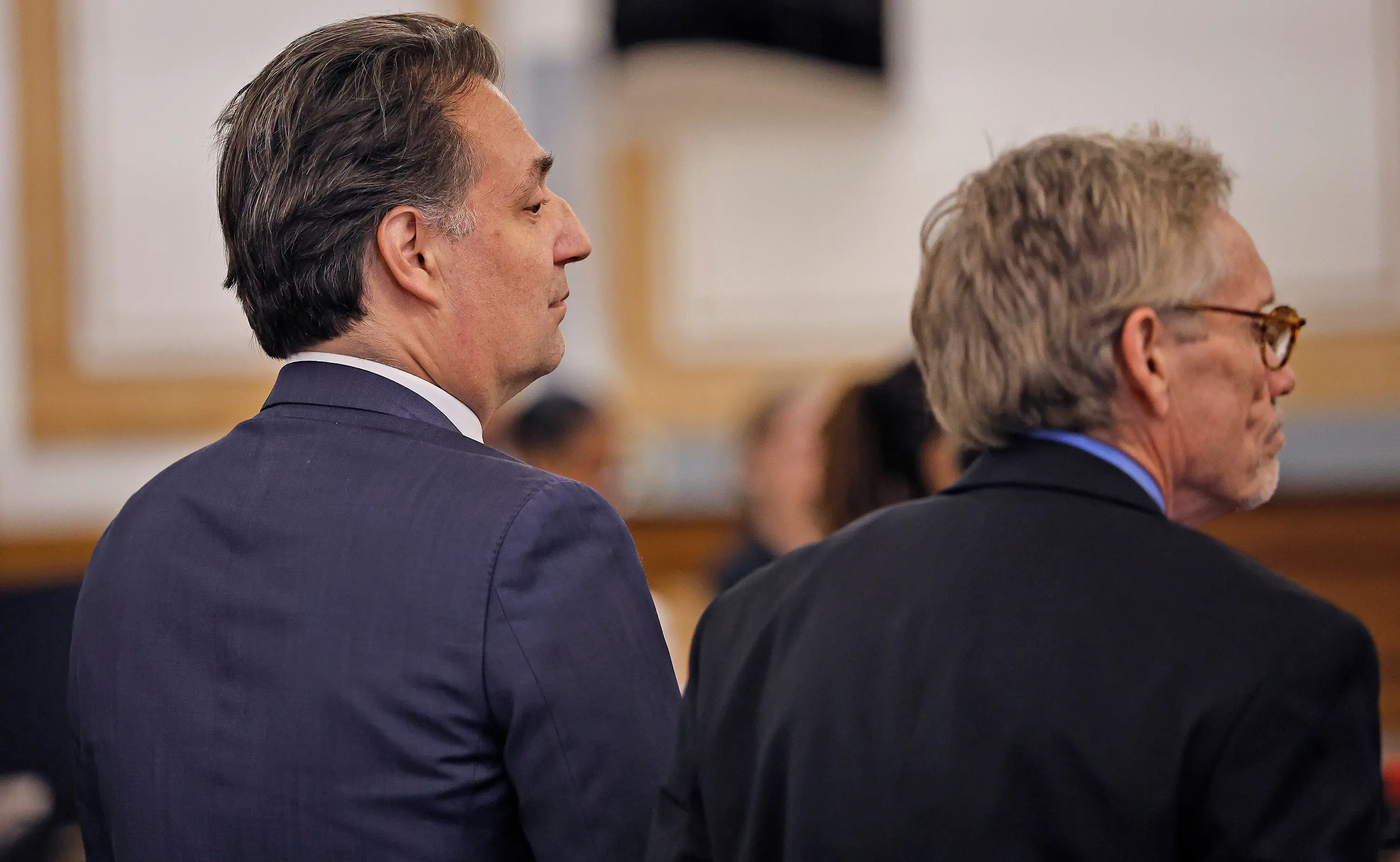
In his opening, Walshe’s attorney, Larry Tipton, argued this was not a case of murder but what he called the “sudden unexplained death” of Ana Walshe. He portrayed a couple who loved each other and were planning for the future before Ana Walshe died after celebrating New Year’s Eve with her husband and a friend.
The couple, who have three young children now in state custody, lived in the affluent coastal community of Cohasset, about 15 miles (24 kilometers) southeast of Boston.
The expectation was that the defense would put up a case proving that theory and raising doubts about the investigation.
The defense considered calling several forensic DNA experts as well as Michael Proctor, who was fired from the Massachusetts State Police after he came under fire for his role in investigating the Karen Read case. There was also speculation that Walshe would take the stand.
But in the end, Walshe's defense team rested without calling any witnesses.
When initially questioned by investigators, Walshe said his wife had been called to Washington, D.C., on New Year’s Day for a work emergency. But witnesses testified there was no evidence Ana Walshe took a ride service to the airport or boarded a flight. Walshe didn’t contact her employer until Jan. 4.
Walshe later admitted that he dismembered her body and disposed of it in dumpster, saying he did so only after panicking when he found his wife had died in bed.
“Here, the evidence about dismemberment and improper disposal of a body was overwhelming, so I suspect the defense goal was to concede that through the guilty pleas, and make the case all about the murder and the absence of direct evidence about intent and cause of death,” said Daniel Medwed, a law professor at Northeastern University.
“But the prosecution did an excellent job of introducing circumstantial evidence and providing the breadcrumbs that led the jury down the path toward finding premeditation.”