


CEUTA – Dikra, a 20-year-old migrant from Morocco, had spent five days in Ceuta by Sunday after swimming to the Spanish territory with her younger sister and cousin.
Since then, all her meals have come from local residents, and she isn't sure when her next one will come. Yet Dikra is certain she does not want to go back.
Recommended Videos
“I want to stay. I want to go to Spain,” Dikra said, who asked that her last name be withheld for safety reasons.
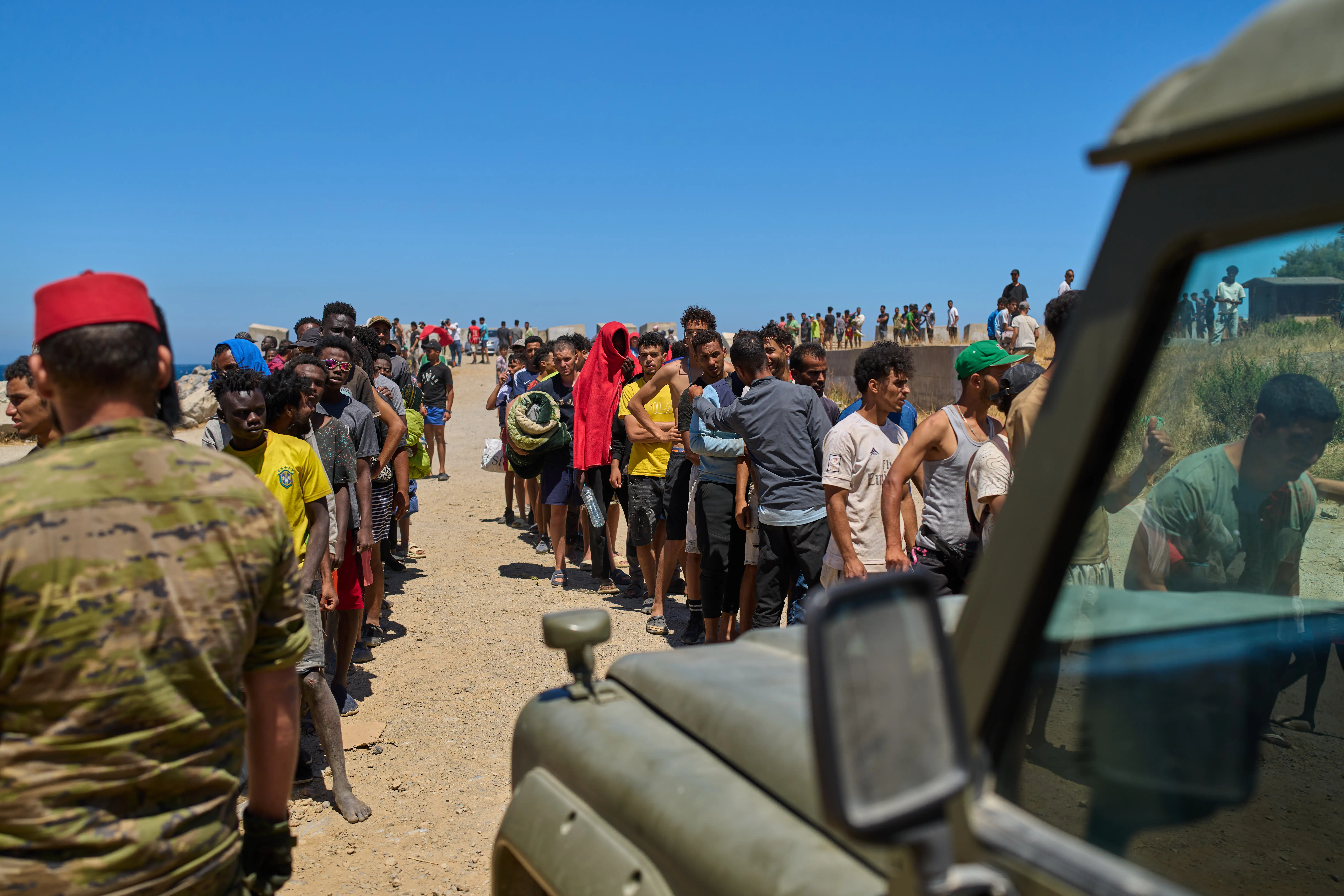
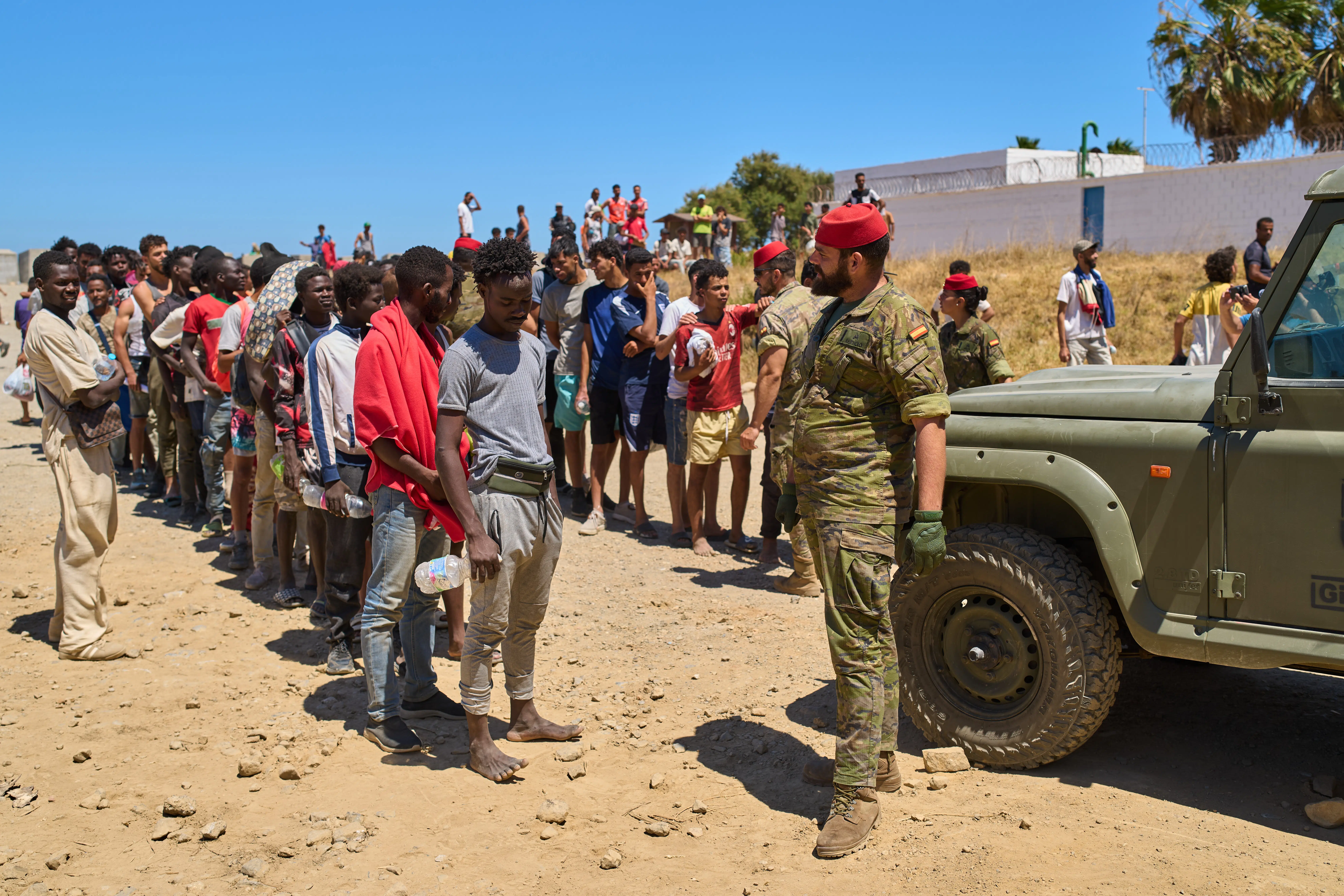
By Sunday afternoon, Dikra was among the last remaining migrants in the city after tens of thousands of the 60,000 migrants that had breached the border with Morocco on Thursday and Friday walked back to that country. At least 72 people died in the crossing, and the humanitarian crisis the sudden rush of people caused reignited a debate around immigration in Europe and beyond.
In Tangier, Dikra said she worked as a cleaner, but decided to leave alongside her sister and cousin, in part to escape her alcoholic father. She hopes to make use of a hairdressing diploma in continental Spain — from which she remains separated by the Strait of Gibraltar and the European Union's complex asylum system.
Migrants wonder what will happen with holdouts
Abdel Karim, 35, also from Morocco, waited outside Ceuta's official migration reception center on Sunday, asking for updates about what officials were saying they would do with the holdouts still in the city.
Karim was unemployed in Morocco, and had lived in continental Spain years ago, before he was expelled from France where he was living on the streets.
“In Morocco, I'm seen as a deportee,” Karim said. “Those who are deported know what it means — stress, depression, anguish.”
Karim said he saw posts on social media about those making the crossing and took advantage of the chaos. He crossed with 10 euros in his pocket, he said, and pointed to his blistered feet. In Spain, Karim said he wants to do whatever work he can find, and remained unfazed about how he would get there.
Ceuta and its sister city Melilla are not part of the European Union's Schengen area, and those traveling to mainland Europe must go through border checks upon arrival.
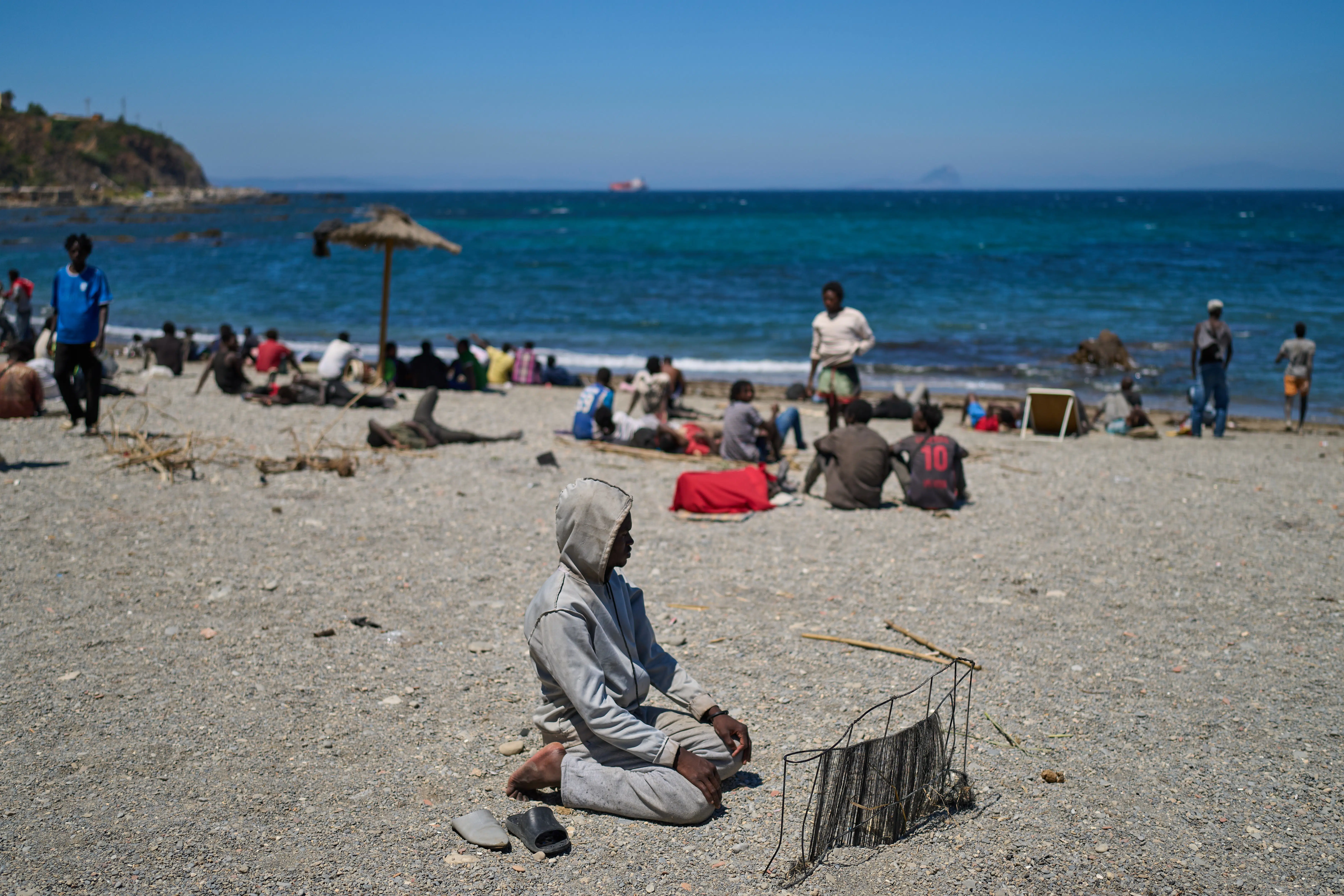
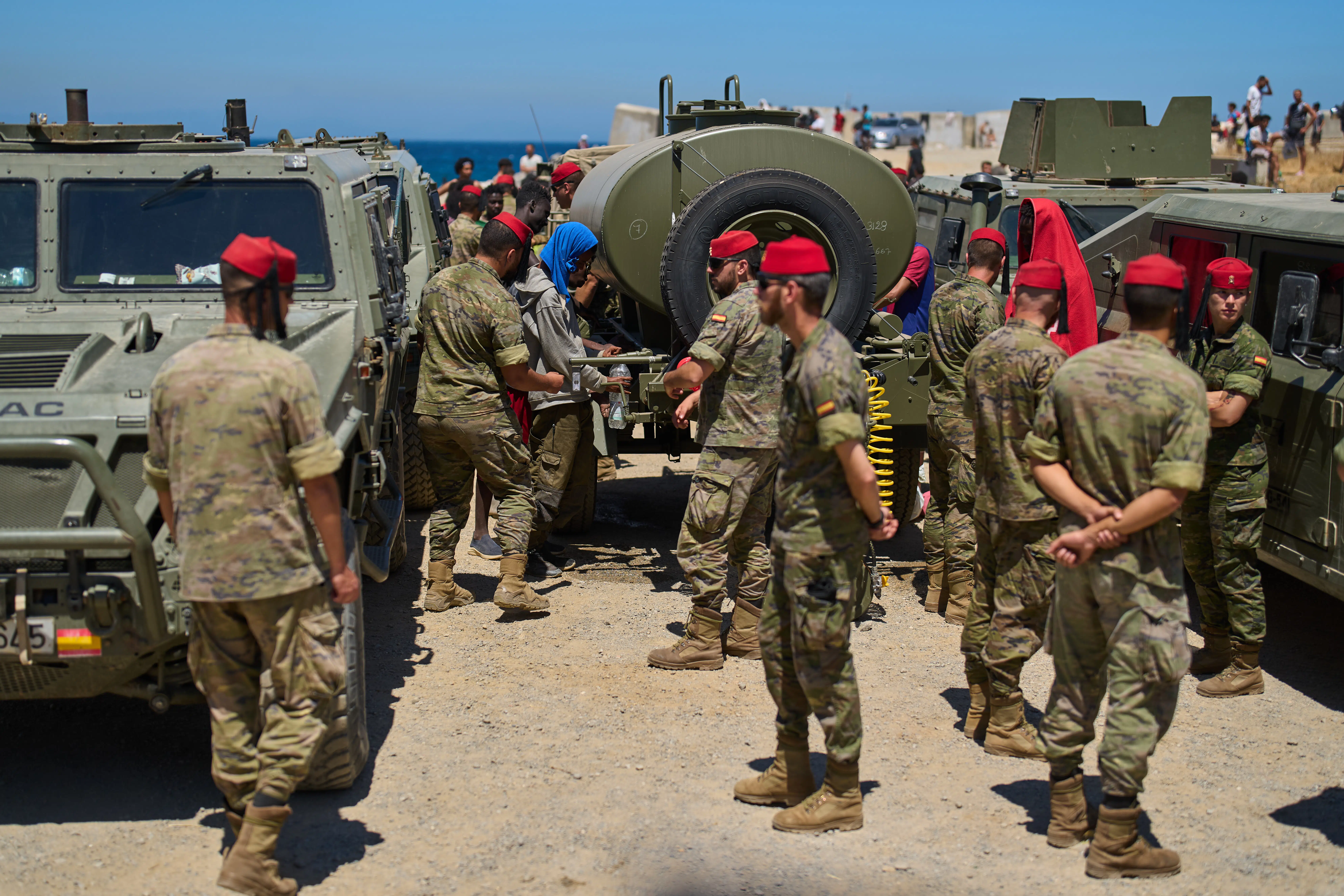
At a beach in Ceuta, hundreds of migrants who had arrived days earlier gathered on Sunday evening. Some crowded around an army truck where Spanish soldiers distributed water.
Senegalese migrant Cesse Aliou, 25, rested with a group of sub-Saharan men and women outside the nearby shelter. In Morocco, Aliou said he earned 279 euros ($322) a month at a call center, but the work wasn't stable.
So he boarded a train in Casablanca to Tangier and then to Fnideq, where he said he swam to Ceuta.
Across the street, on another wooded patch near the shelter, a group of migrants began fighting over water that local residents had brought to the area.
“We are very tired. To eat, to sleep, it's very difficult here," said Aliou, pointing to the scuffle. “You see how the situation is.”