

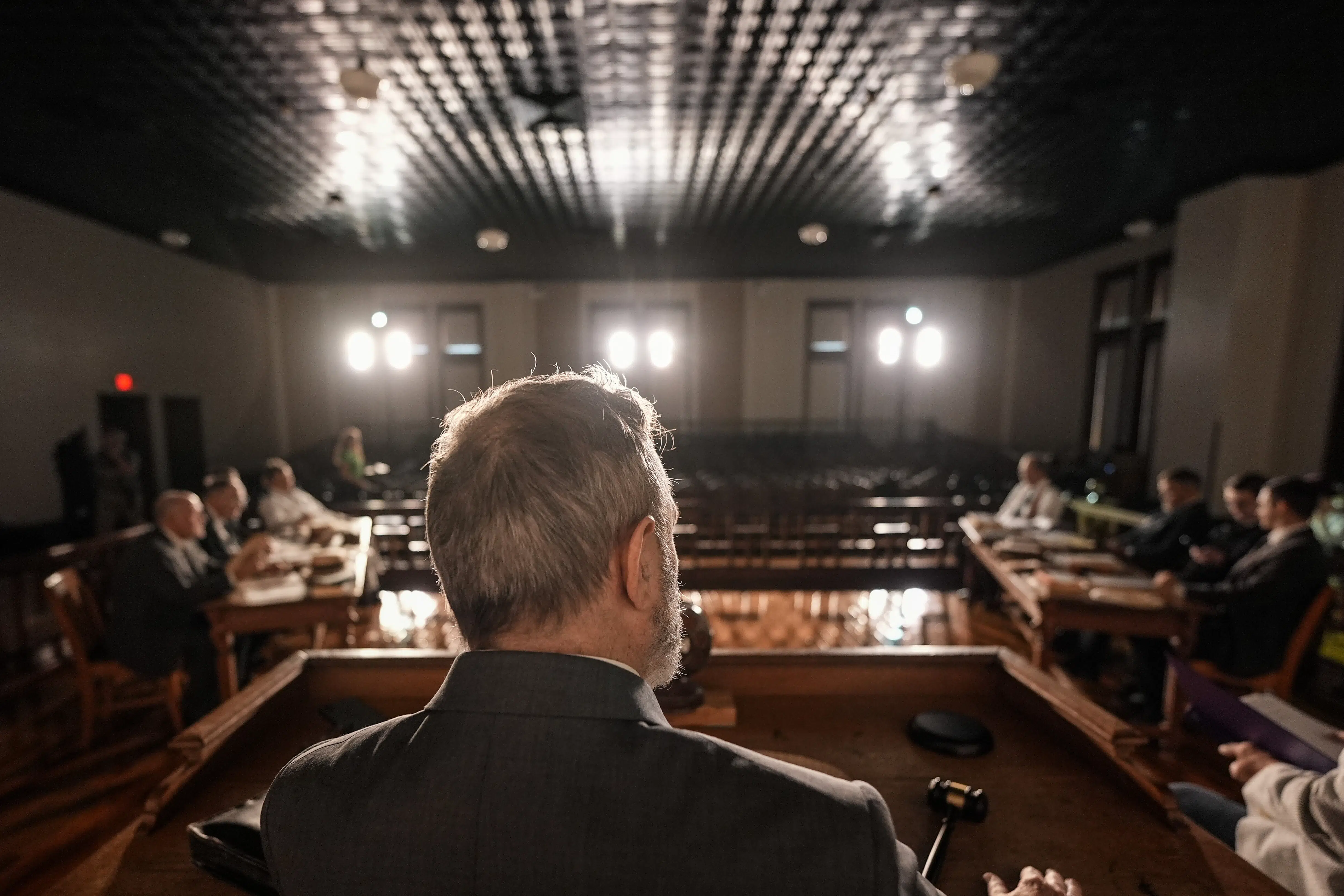
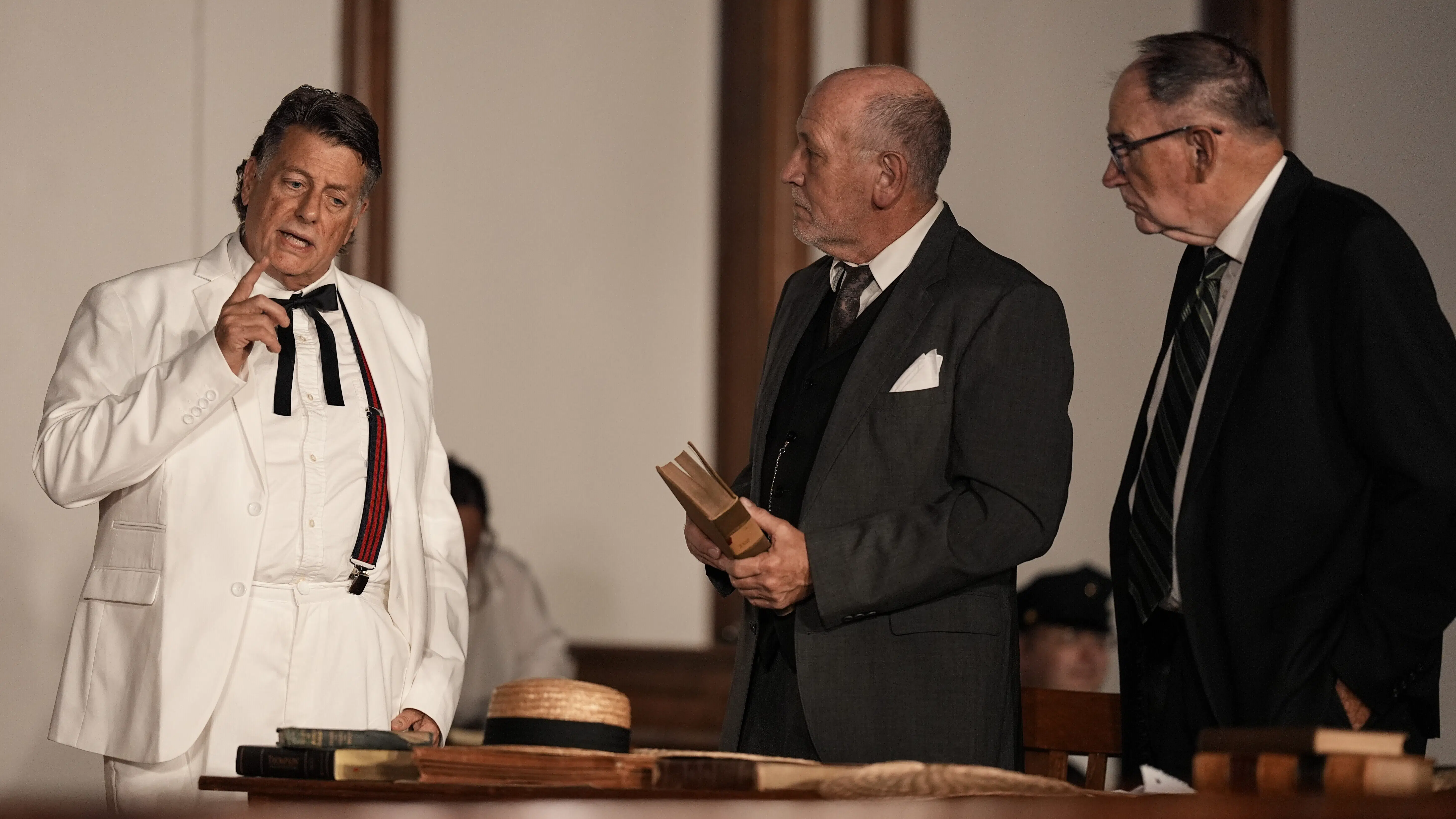
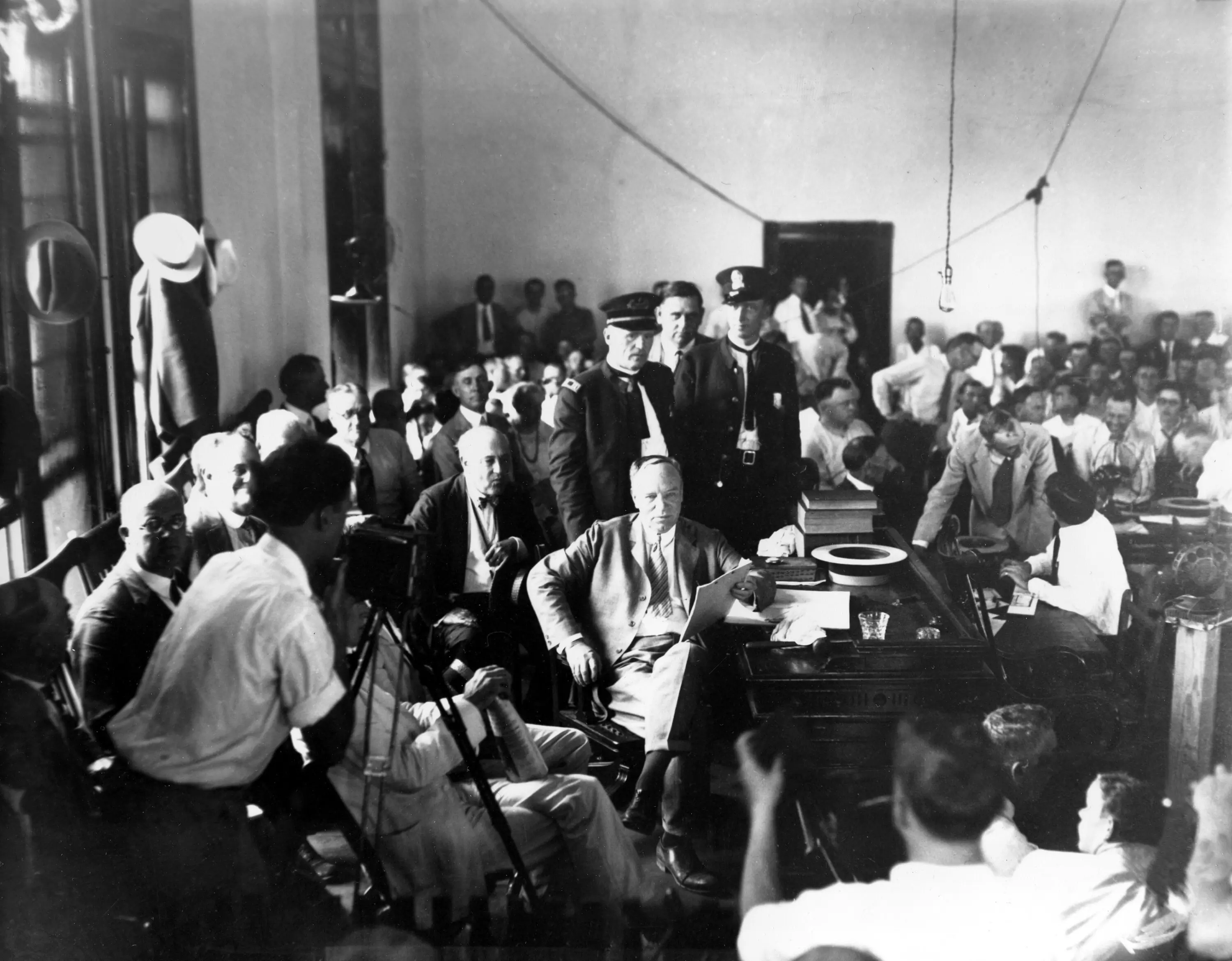
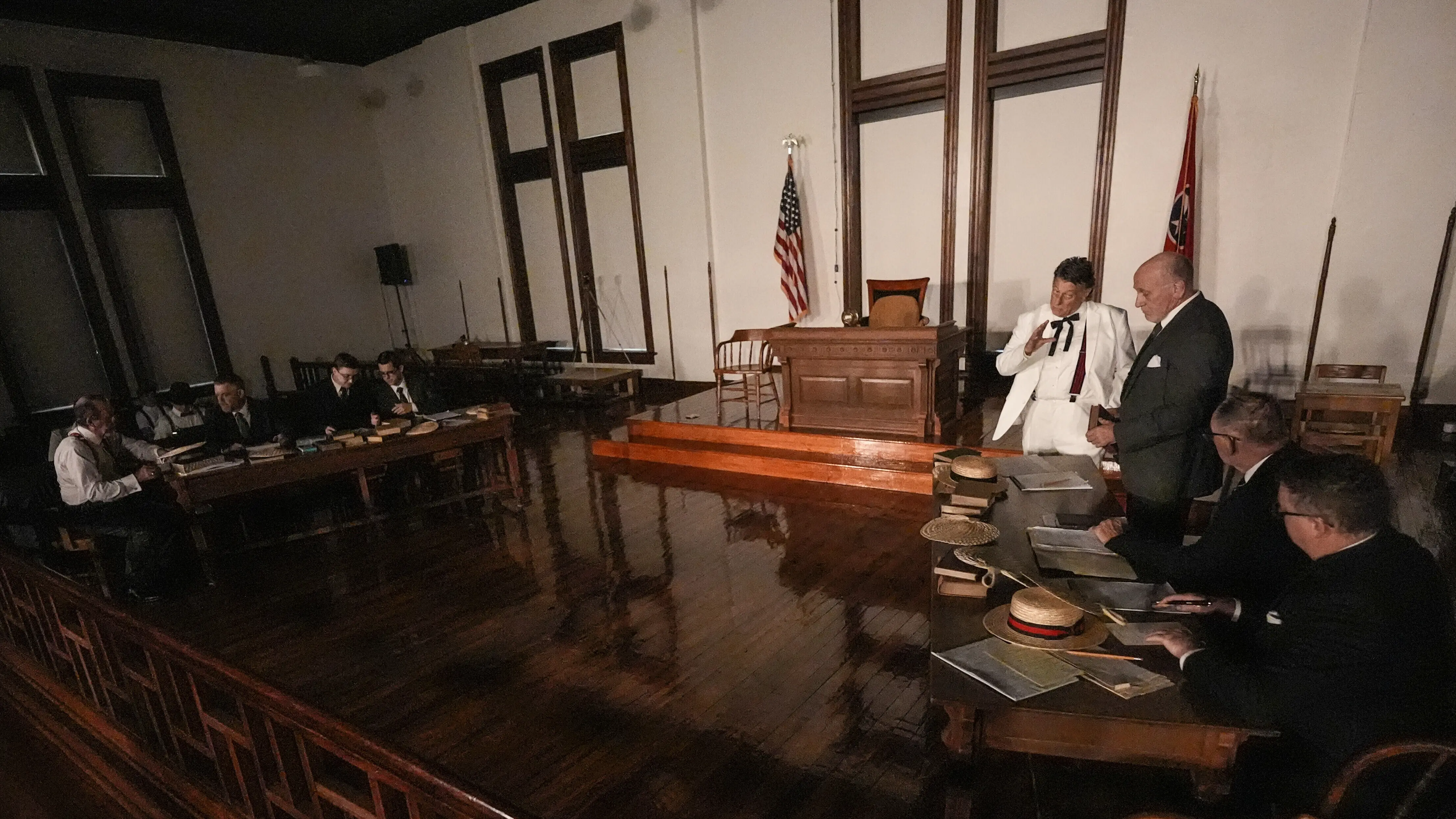
DAYTON, Tenn. – A small town in eastern Tennessee courted national publicity and attention a century ago when local leaders planned a test trial over the teaching of evolution in public schools. What they got from the eight-day Scopes trial was more than they bargained for.
The trial of the century — and the first to be broadcast over the radio — inspired articles, books, plays and movies, including the popular “Inherit the Wind.”
Recommended Videos
It also characterized Dayton as an uneducated town of strident Christian fundamentalists, a narrative locals have spent decades trying to rewrite.
For over 30 years, people in Rhea County have put on a play every July using the trial transcript, aiming to correct the record.
In their own words, the actors and director of “Destiny in Dayton” explain the complexities of the town captured by history.
The director
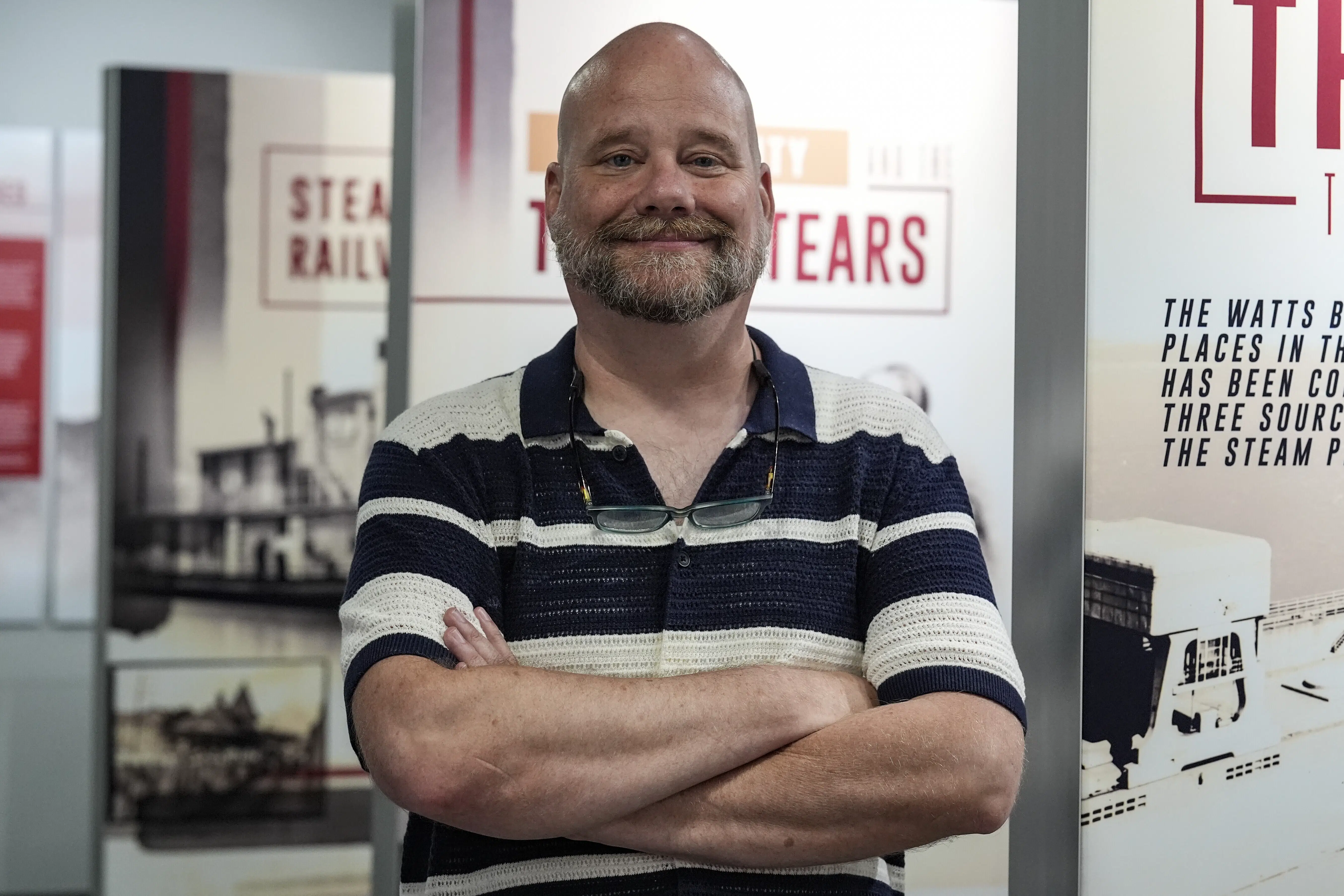
Dan Buck was a theater professor at a nearby private university when he got an email seeking a director for the play about the Scopes trial. Buck knew about the trial, but didn't know Dayton had its own play.
“The legacy of little towns telling their own story through theater is rich history, right?” Buck said, noting the tradition was playfully lampooned in the mockumentary, “Waiting for Guffman.”
Locals have put on the play to counter the stereotypes and creative liberties from “Inherit the Wind,” as well as columnist H.L. Mencken's harsh critique of residents at the time.
“I quickly learned that the people of the town here are not real fond of the play or the movie,” Buck said. “They call it the ‘Scottish play,’ which is a reference to Macbeth, the thing you’re not supposed to say: the cursed play.”
In truth, the story of the trial was more complicated and nuanced than most people think.
John T. Scopes, the local teacher, was a willing participant in testing the anti-evolution law, and prosecutor William Jennings Bryan didn't die after the trial because he was defeated by defense attorney Clarence Darrow's arguments.
In directing the play on the trial's 100th anniversary, Buck says he is working toward the same mission Dayton leaders had a century ago.
“I am building up the buzz about this town, getting people here to get them excited, putting Dayton on the map,” Buck said. “Maybe we are trying to use this story and this trial to get a little attention to this specific place.”
The descendant
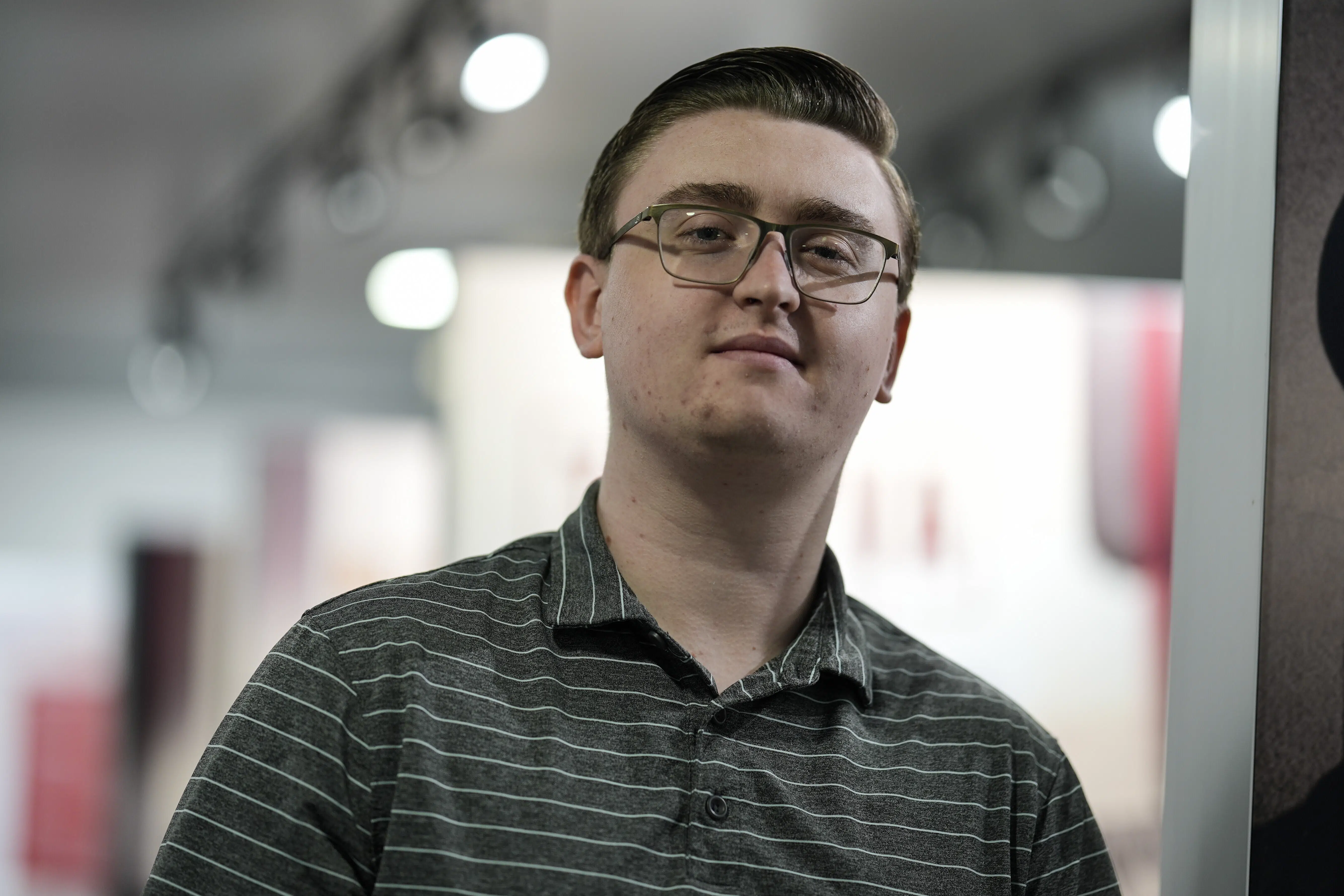
Jacob Smith, 23, didn't realize his connection to the most famous trial until he started studying history. His great-great-great-grandmother's brother was Walter White, the county superintendent of schools and one of the key figures who brought the trial to Dayton.
Smith plays Dudley Field Malone, a defense attorney for Scopes who gave speeches as equally impassioned and memorable during the trial as Bryan and Darrow. One of Smith's favorite lines to deliver is a reference to the so-called battle between the two sides in court.
“He basically says, ‘There is never a duel with the truth,’” Smith said. “He said, ‘It always wins. It is no coward. It does not need the law, the forces of government, or,' and he pauses, ‘Mr. Bryan.’”
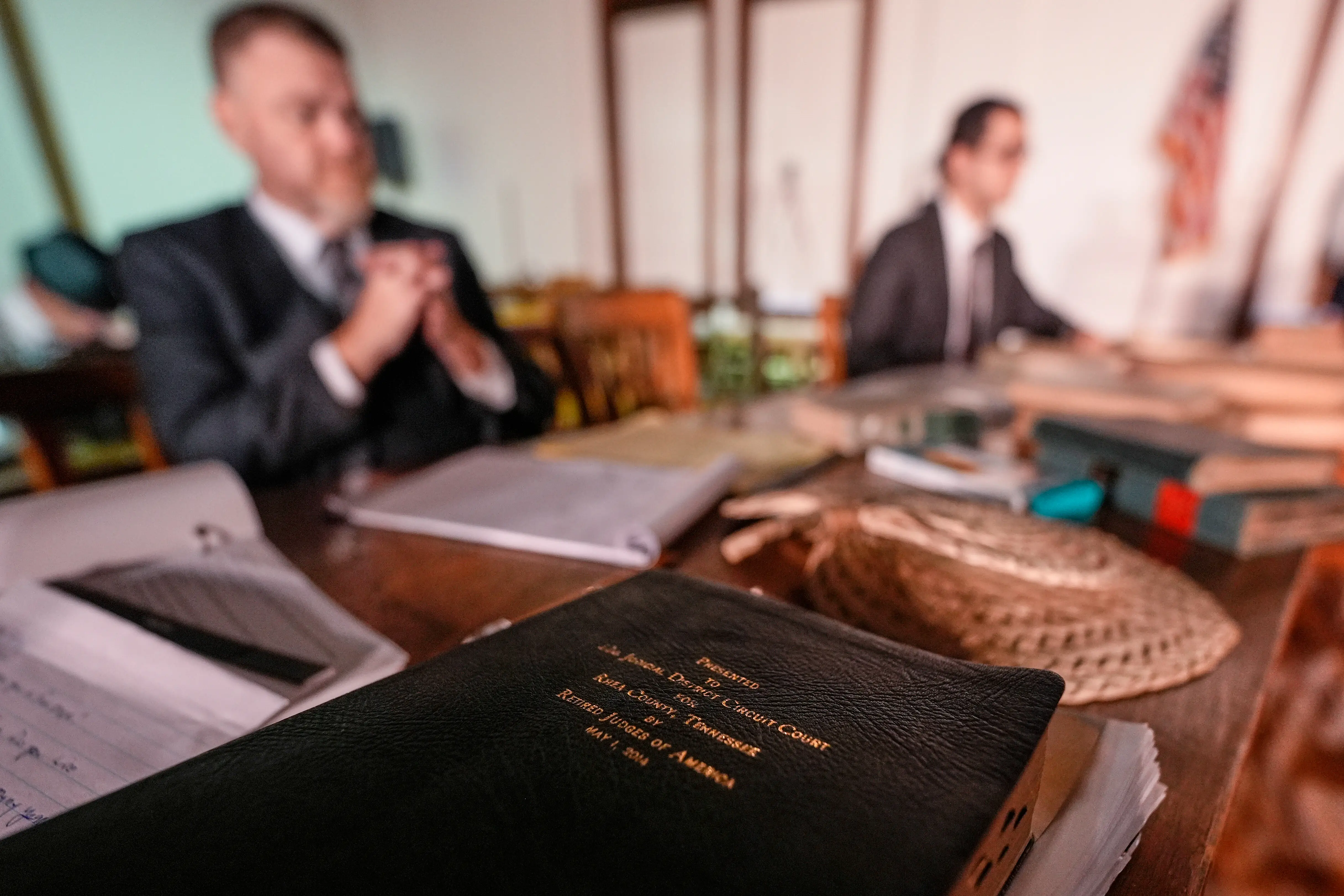
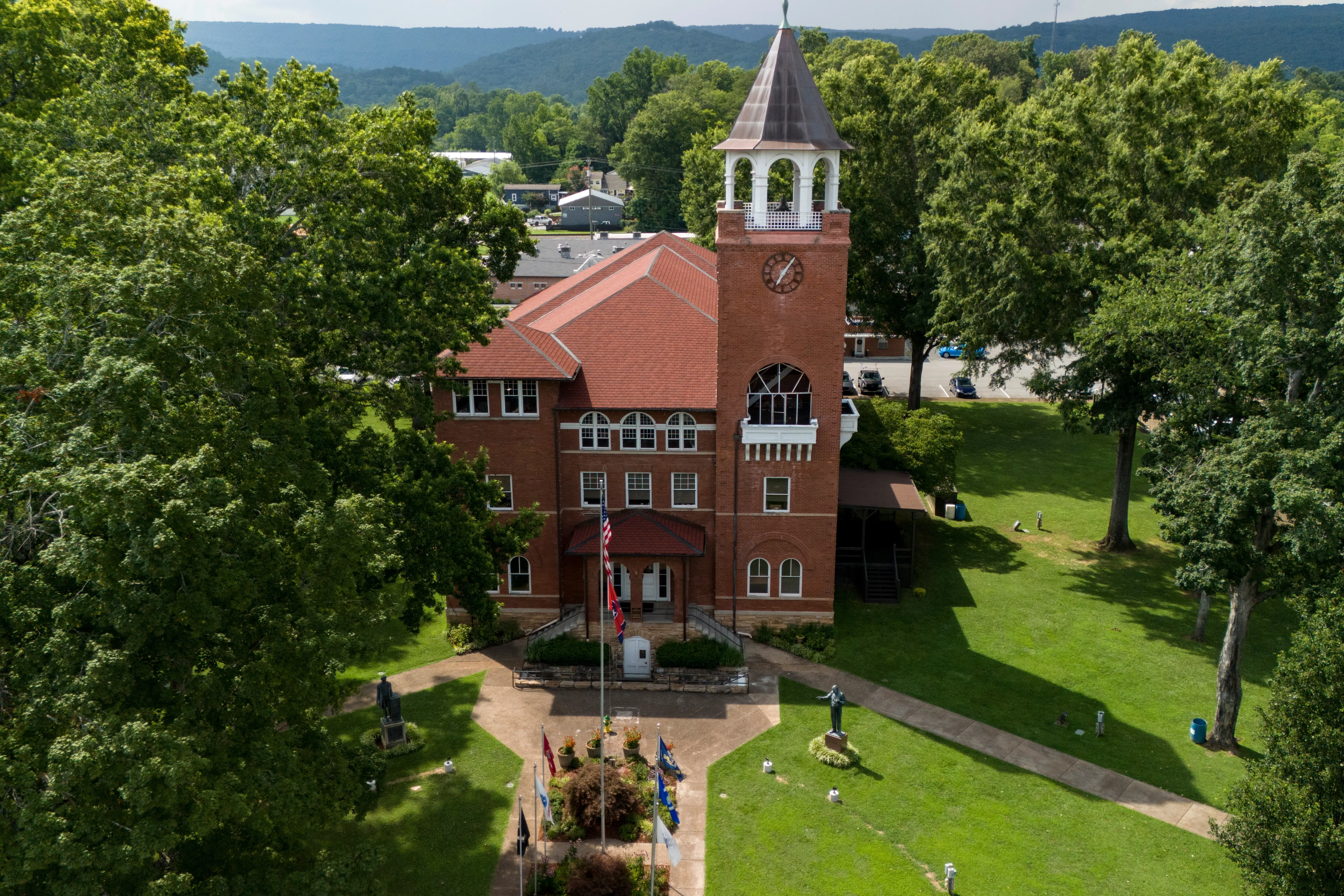
Smith is currently the county archivist, and he delights in seeing people visit Dayton’s original courthouse with its squeaky and shiny wood floors, tall windows and impressive stairs that lead up to the wide courtroom on the second floor.
“You can hold the handrails going up to that circuit courtroom, just like those lawyers would have done and all those spectators would have done back in 1925,” Smith said.
The ‘Great Commoner’
Larry Jones has acted in community and local theater since childhood, so he thought he knew the story of the Scopes trial after performing in a production of “Inherit the Wind.”
He later realized the famous play was taking creative liberties to make the trial a metaphor for something else captivating the nation's attention at the time: McCarthyism.
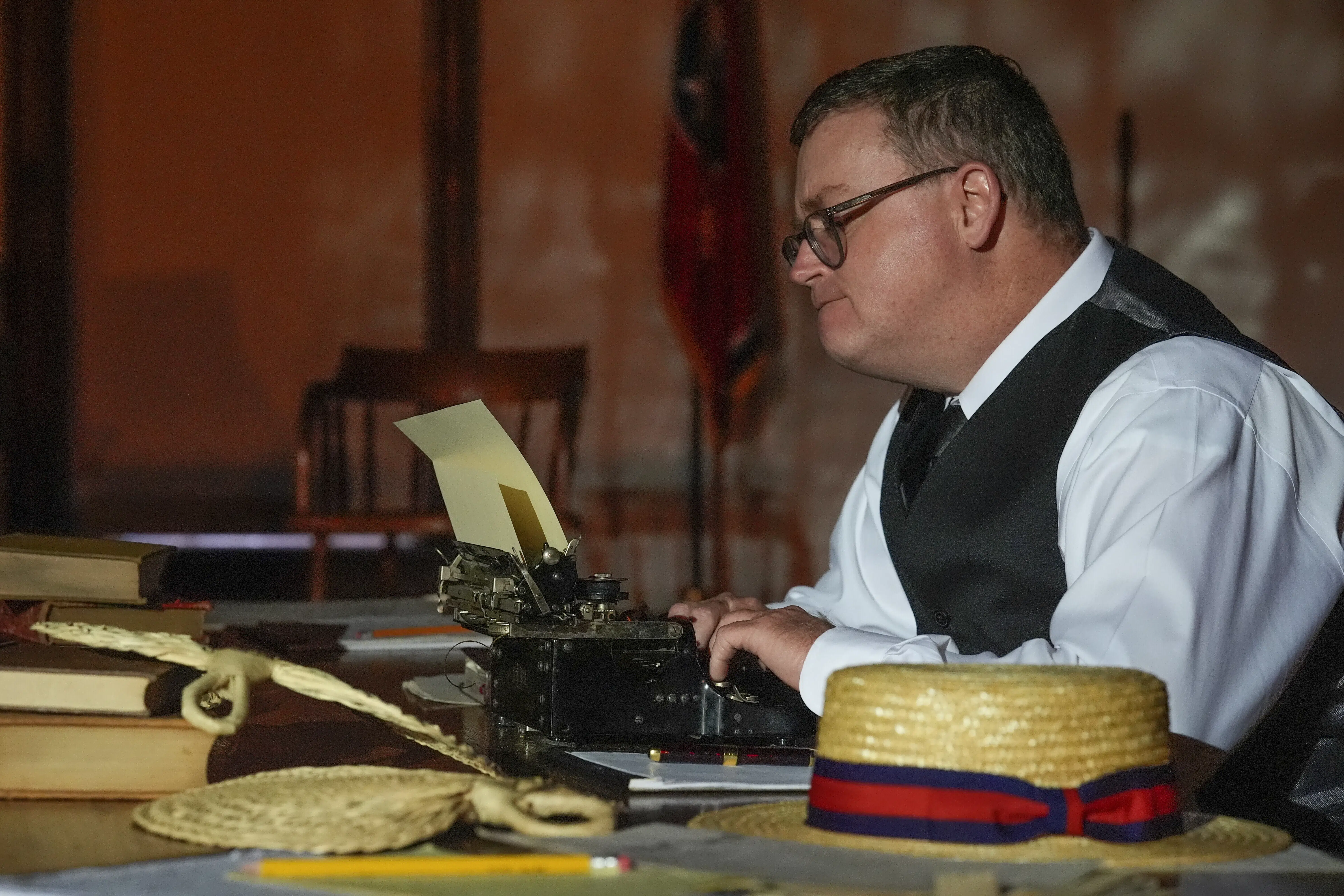
Jones plays the role of Bryan, a famous Christian orator and populist politician whose speeches earned him the nickname of “the Great Commoner.” He says the hardest part was not learning the lengthy speeches Bryan gives during the trial, but rather the sparring he must do when Darrow unexpectedly puts Bryan on the stand to defend the literal truth of the Bible.
“I’m just having to respond spontaneously, and it feels spontaneous every time,” Jones said. “So part of my mind is going, ‘Oh my gosh, is that the right cue? Am I going to say the right thing?’”
Jones said audiences still connect to the retelling of the trial a century later because these are issues they continue to deal with.
“People are still arguing the same case,” Jones said. “What is the role of the federal government or the state government in public school systems? What should be allowed? What shouldn’t be allowed? What can parents exert influence over for their children’s sake? Whether it’s evolution or whether it’s literature or any of the political issues that are abundant today, it still is the same argument.”
No conclusion
The outcome of the trial was no great surprise. The jury found Scopes guilty after a few minutes of deliberation. The defense attorneys' goal all along, however, was to take the legal argument to a higher court.
Today, Dayton embraces its place in history with the annual celebration of the trial. Businesses advertise and promote the “Monkey trial.” And locals have adopted the phrase: “Dayton has evolved.”
“We’re dusting off a very old story, but it’s very new,” said Buck. “It’s very, very right now.”
___
Associated Press religion coverage receives support through the AP’s collaboration with The Conversation US, with funding from Lilly Endowment Inc. The AP is solely responsible for this content.