

JACKSONVILLE, Fla. – With a simple online search, you can find dozens of videos of people confronting alleged child sexual predators. Garrett Gross makes those videos, and he says he is not stopping anytime soon.
Gross, a former MMA fighter, runs what some call a video vigilante group called Operation 17:2 — named after the Bible verse Luke 17:2: “It would be better for him to have a millstone tied around his neck and thrown into the depths of the sea than for him to cause a little child to stumble.”
How the operation works
Gross uses decoys who create social media profiles and manipulate their image on Face App to look like a teenager.
The decoy sets up a profile on a dating app and waits for an adult to initiate contact. Once contact is made, the two will move to a texting app. Gross says that’s when the decoy will disclose they are 14 years old.
“We don’t solicit anything. We don’t initiate any conversation. They message, and we respond,” Gross said.
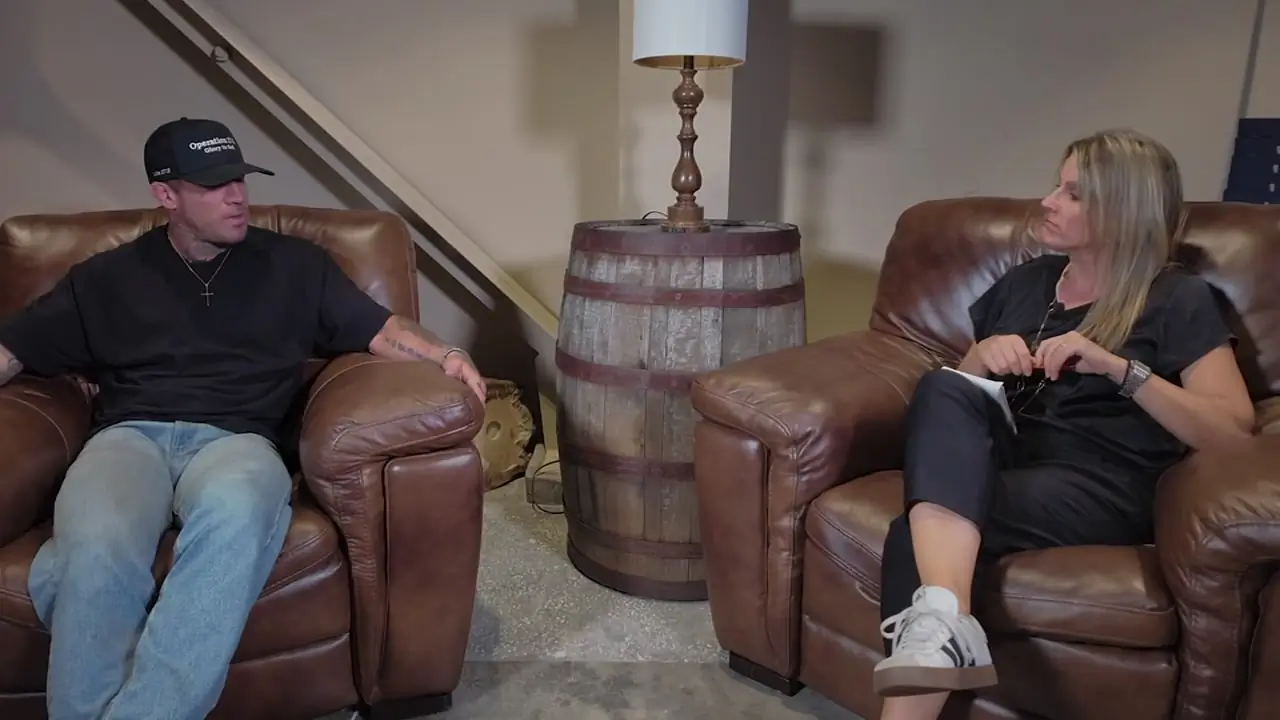
Gross says some adults will turn down contact once the decoy discloses they are a minor, but most don’t. The decoy will then suggest an in-person meetup. Instead of a teenager, the suspect encounters Gross.
That is what happened to Caleb Roberts, 26, in March. Gross traveled from his home base in Illinois to Palatka to confront Roberts on camera after Gross says Roberts messaged one of his decoys.
Roberts was a former youth pastor at the time of the confrontation. His father was the pastor of Victory Church in Palatka. Shortly after the video was released, his father stepped down from that role.
Roberts now faces four felony counts, including traveling to meet a minor and soliciting a child or a person believed to be a child. He is out on a $10,000 bond. His next court hearing is Sept. 10.
Law enforcement pushback
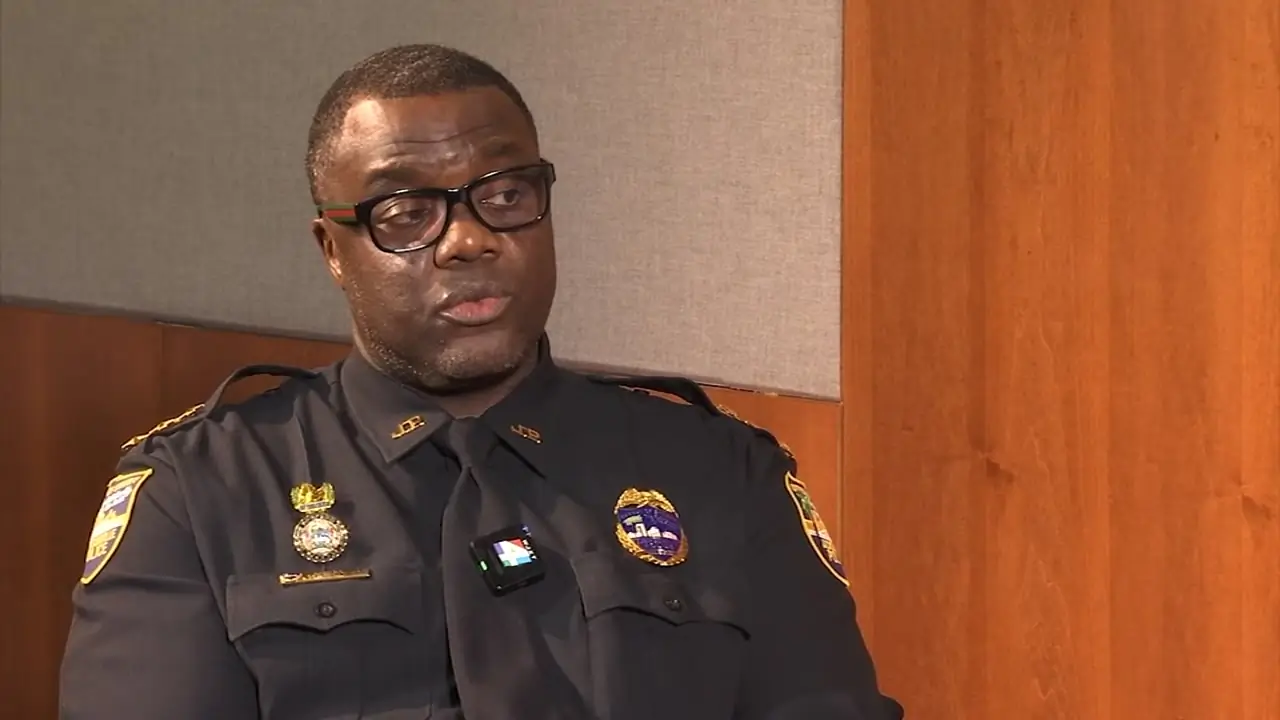
Jacksonville Sheriff’s Office Director Edwin Cayenne says he understands the intent behind these operations, but he warns they create real obstacles for investigators.
“What we have to do is something called build probable cause to be able to present that to a state attorney,” Cayenne said. “What they don’t work within, a lot of times, is state law. We put guardrails in place, policy and procedures for our specially trained investigators to do the job so that when we apprehend these individuals, we can send them to prison.”
Cayenne’s position: Notify law enforcement and let trained investigators handle it.
Those concerns played out publicly in Jacksonville last year. Video vigilante Alex Rosen confronted David Binz, a previously convicted sex offender, on camera.
Officers with JSO were criticized for not arresting Binz on the spot. The next day, after conducting their own investigation, officers arrested Binz. He later pleaded guilty to two counts of failing to comply with sexual offender requirements and was sentenced to seven years in prison.
The money question
Cayenne also suggested many video vigilantes are motivated by fame and money. Gross does not deny making money from the videos, but says it is not why he does it.
“I make some money from Facebook. Not a lot. A couple grand,” Gross said. “I would do it if I made nothing.”
Gross acknowledged some in the vigilante community cross lines he will not.
“There’s guys that I know that do it for the wrong reasons. Their confrontation is slapping guys and things like that. And they get way more views than I do,” he said. “I don’t agree with their method and how they do things, but they’re catching people. So they’re preventing some kid....that could have been a real person.”
As for why he keeps going, Gross puts it plainly: “I don’t think that our kids are protected enough. People talk, and they want these things stopped, but they don’t do anything about it. I think I’m just built for jobs like this.”
The exact number of vigilante groups operating across the country is not tracked in any central database. Previous reporting suggests there may be more than 150 such groups active online.

