

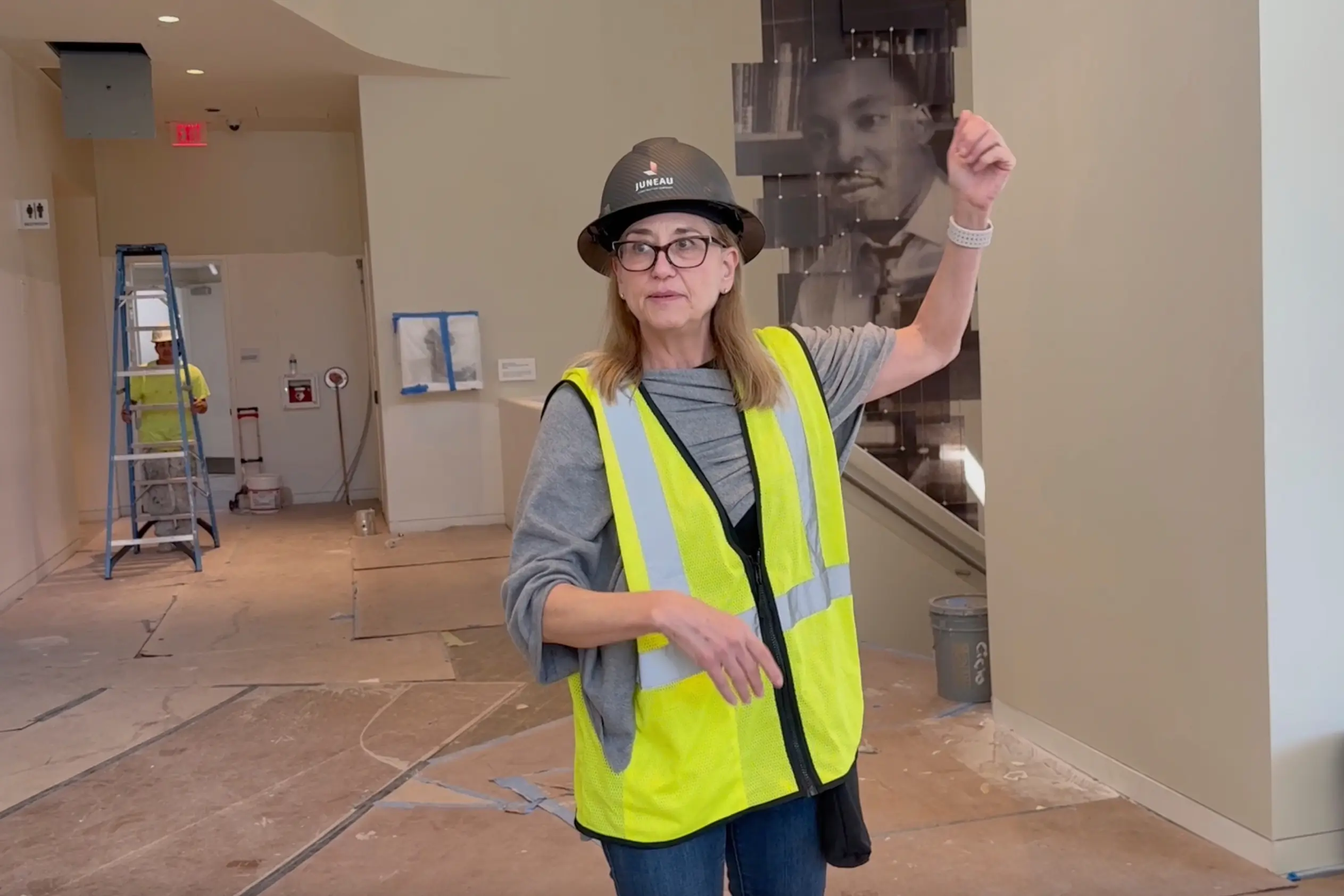

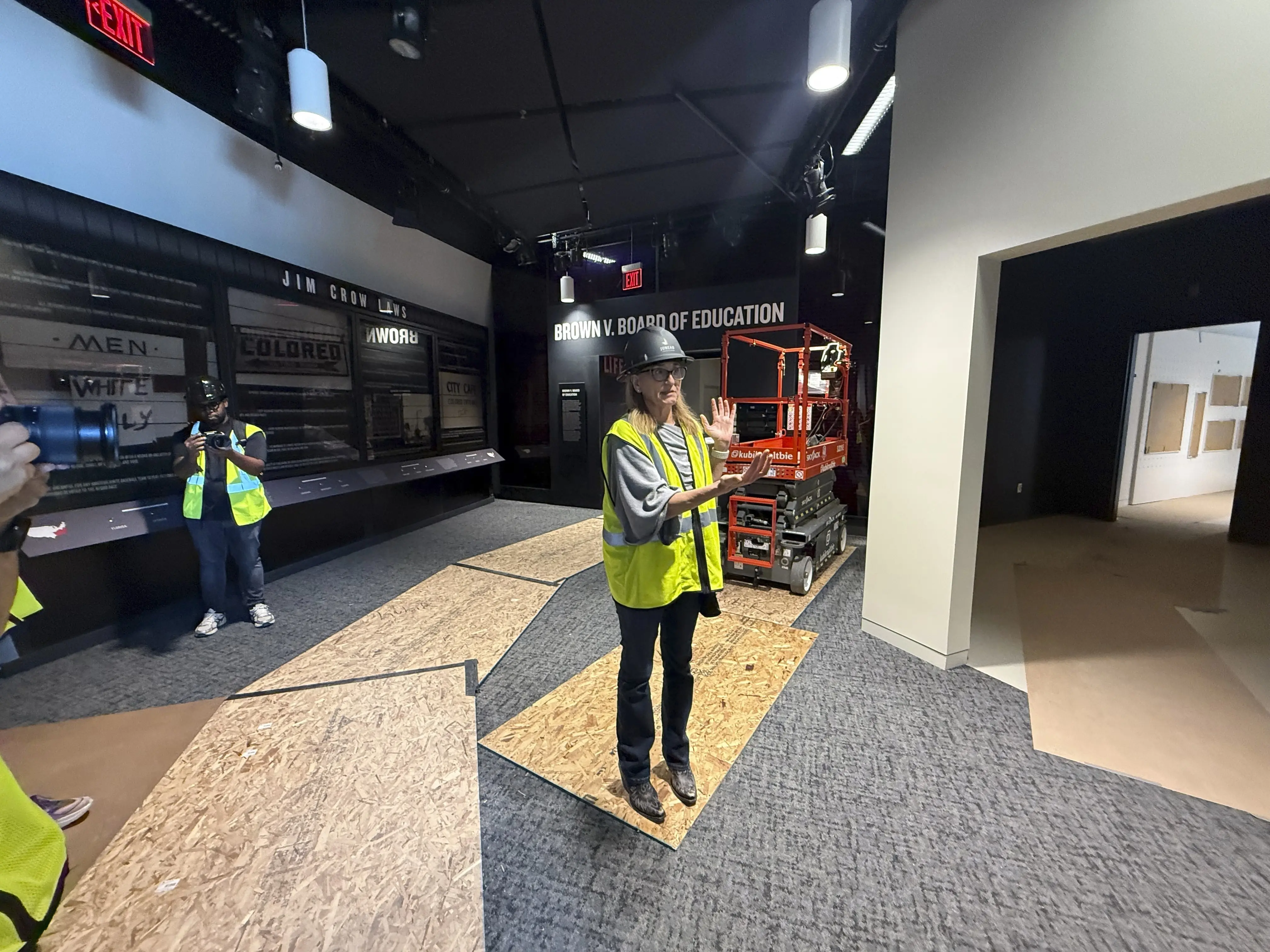
ATLANTA – A popular museum in Atlanta is expanding at a critical moment in the United States. And unlike the Smithsonian Institution, the privately funded National Center for Civil and Human Rights is beyond the immediate reach of Trump administration efforts to control what Americans learn about their history.
The monthslong renovation, which cost nearly $60 million, adds six new galleries as well as classrooms and interactive experiences, changing a relatively static museum into a dynamic place where people are encouraged to take action supporting civil and human rights, racial justice and the future of democracy, said Jill Savitt, the center's president and CEO.
Recommended Videos
The center has stayed active ahead of its Nov. 8 reopening through K-12 education programs that include more than 300 online lesson plans; a LGBTQ+ Institute; training in diversity, equity and inclusion; human rights training for law enforcement; and its Truth & Transformation Initiative to spread awareness about forced labor, racial terror and other historic injustices.
These are the same aspects of American history, culture and society that the Trump administration is seeking to dismantle.
Inspiring children to become ‘change agents’
Dreamed up by civil rights icons Evelyn Lowery and Andrew Young, the center opened in 2014 on land donated by the Coca-Cola Company, next to the Georgia Aquarium and The World of Coca-Cola, and became a major tourist attraction. But ticket sales declined after the pandemic.
Now the center hopes to attract more repeat visitors with immersive experiences like “Change Agent Adventure,” aimed at children under 12. These “change agents” will be asked to pledge to do something — no matter how small — that “reflects the responsibility of each of us to play a role in the world: To have empathy. To call for justice. To be fair, be kind. And that’s the ethos of this gallery,” Savitt said. It opens next April.
“I think advocacy and change-making is kind of addictive. It’s contagious," Savitt explained. "When you do something, you see the success of it, you really want to do more. And our desire here is to whet the appetite of kids to see that they can be involved. They can do it.”
This ethos is sharply different from the idea that young people can't handle the truth and must be protected from unpleasant challenges but, Savitt said, "the history that we tell here is the most inspirational history."
"In fact, I think it’s what makes America great. It is something to be patriotically proud of. The way activists over time have worked together through nonviolence and changed democracy to expand human freedom — there’s nothing more American and nothing greater than that. That is the lesson that we teach here,” she said.
Encouraging visitors to be hopeful
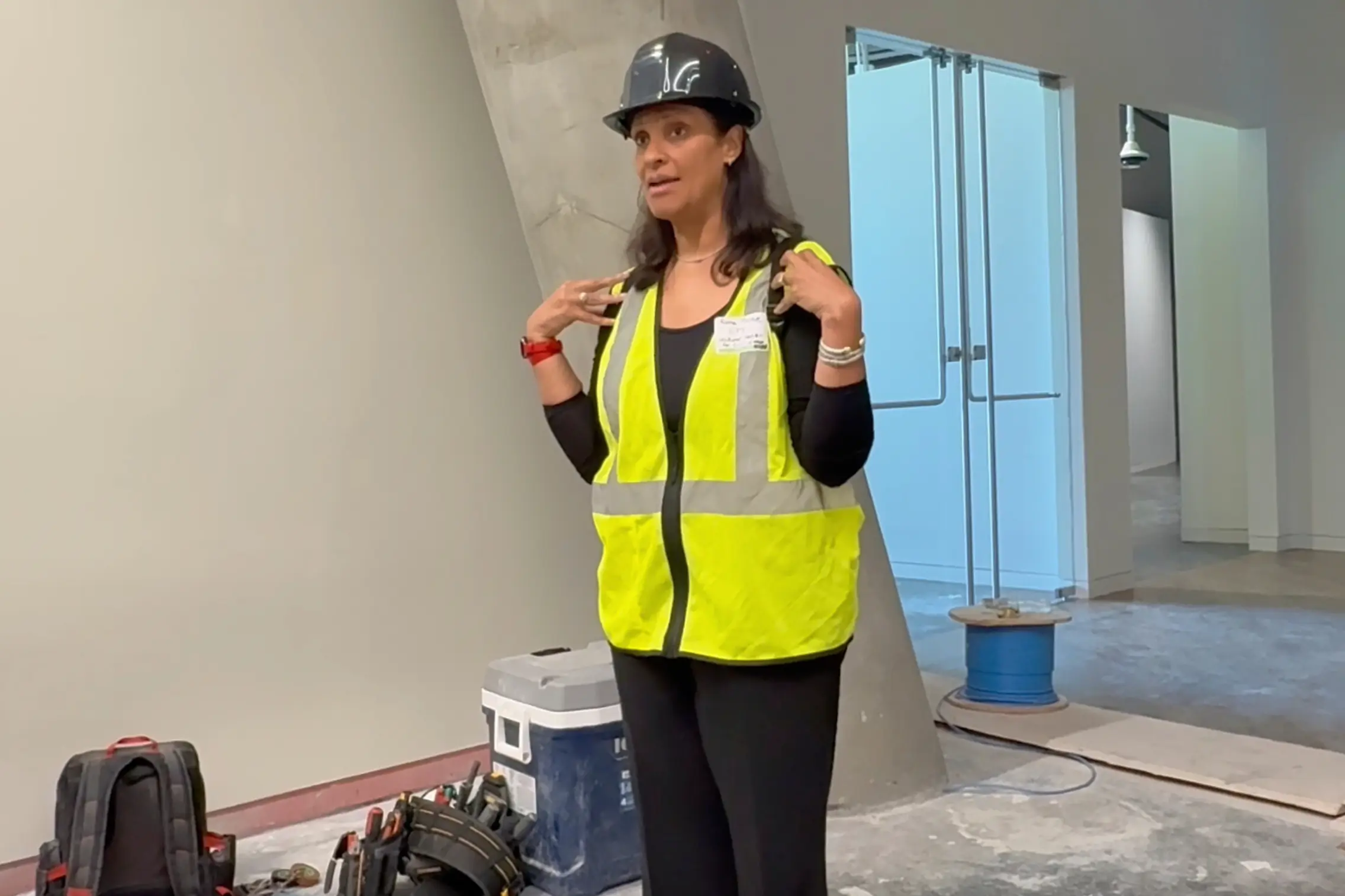
“Broken Promises,” opening in December, includes exhibits from the post-Civil War Reconstruction era, cut short when white mobs sought to brutally reverse advances by formerly enslaved people. “We want to start orienting you in the conversation that we believe we all kind of see, but we don’t say it outright: Progress. Backlash. Progress. Backlash. And that pattern that has been in our country since enslavement,” said its curator, Kama Pierce.
On display will be a Georgia historical marker from the site of the 1918 lynching of Mary Turner, pockmarked repeatedly with bullets, that Turner descendants donated to keep it from being vandalized again.
“There are 11 bullet holes and 11 grandchildren living,” and the family's words will be incorporated into the exhibit to show their resilience, Pierce said.
Items from the Morehouse College Martin Luther King Jr. collection will have a much more prominent place, in a room that recreates King's home office, with family photos contributed by the center's first guest curator: his daughter, the Rev. Bernice King. “We wanted to lift up King's role as a man, as a human being, not just as an icon,” Savitt explained.
Gone are the huge images of the world's most genocidal leaders — Hitler, Stalin and Mao among others — with explanatory text about the millions of people killed under their orders. In their place will be examples of human rights victories by groups working around the world.
“The research says that if you tell people things are really bad and how awful they are, you motivate people for a minute, and then apathy sets in because it’s too hard to do anything," Savitt said. "But if you give people something to hope for that’s positive, that they can see themselves doing, you're more likely to cultivate a sense of agency in people.”
Fostering a healthy democracy
And doubling in capacity is an experience many can't forget: Joining a 1960s sit-in against segregation. Wearing headphones as they take a lunch-counter stool, visitors can both hear and feel an angry, segregationist mob shouting they don't belong. Because this is “heavy content,” Savitt says, a new “reflection area” will allow people to pause afterward on a couch, with tissues if they need them, to consider what they've just been through.
The center's expansion was seeded by Home Depot co-founder and Atlanta philanthropist Arthur M. Blank, the Mellon Foundation and many other donors, for which Savitt expressed gratitude: “The corporate community is in a defensive crouch right now — they could get targeted,” she said.
But she said donors shared concerns about people’s understanding of citizenship, so supporting the teaching of civil and human rights makes a good investment.
“It is the story of democracy — Who gets to participate? Who has a say? Who gets to have a voice?” she said. “So our donors are very interested in a healthy, safe, vibrant, prosperous America, which you need a healthy democracy to have.”