

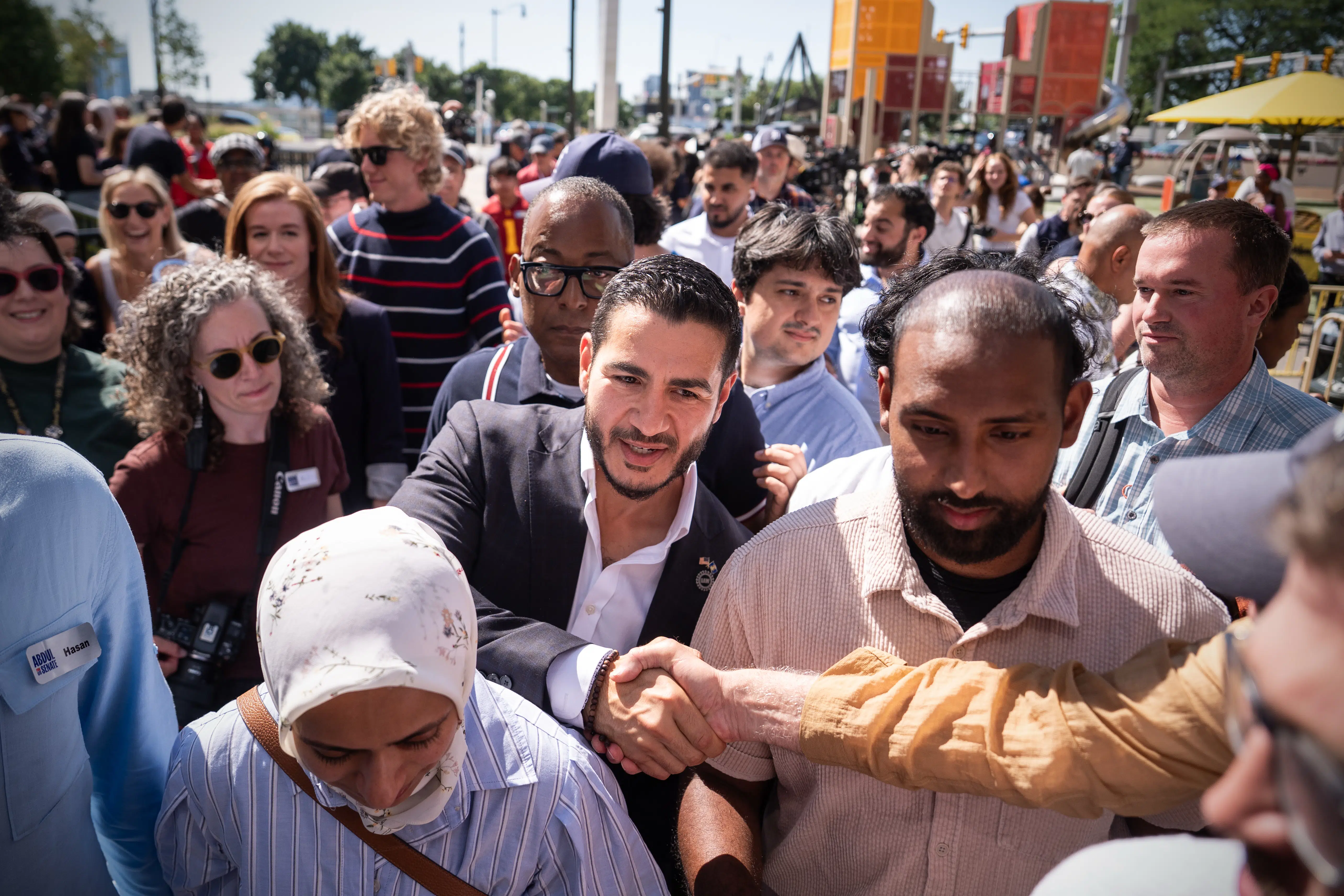
Abdul El-Sayed made history this month in Michigan by becoming the first Muslim nominated by the Democratic Party to run for the U.S. Senate. But elation among many of his fellow Muslim Americans was tempered by awareness of persisting and widespread anti-Muslim sentiment across much of the nation.
Some Republicans, including President Donald Trump, swiftly began referring to the nominee by his full name, Abdulrahman Mohamed El-Sayed, while depicting him as a danger to America. “Every single Muslim holding public office in America is a Trojan horse, and a threat to both national security and our republic,'' said U.S. Rep. Nancy Mace, R-S.C., in a post on X.
Recommended Videos
El-Sayed says such attacks betray a weakness in those who launch them.
“We all pray for the same things. ... We want what’s good for our kids and our families,” he told MS NOW after his primary victory. “They're going to use Islamophobia, because their ideas are tired.”
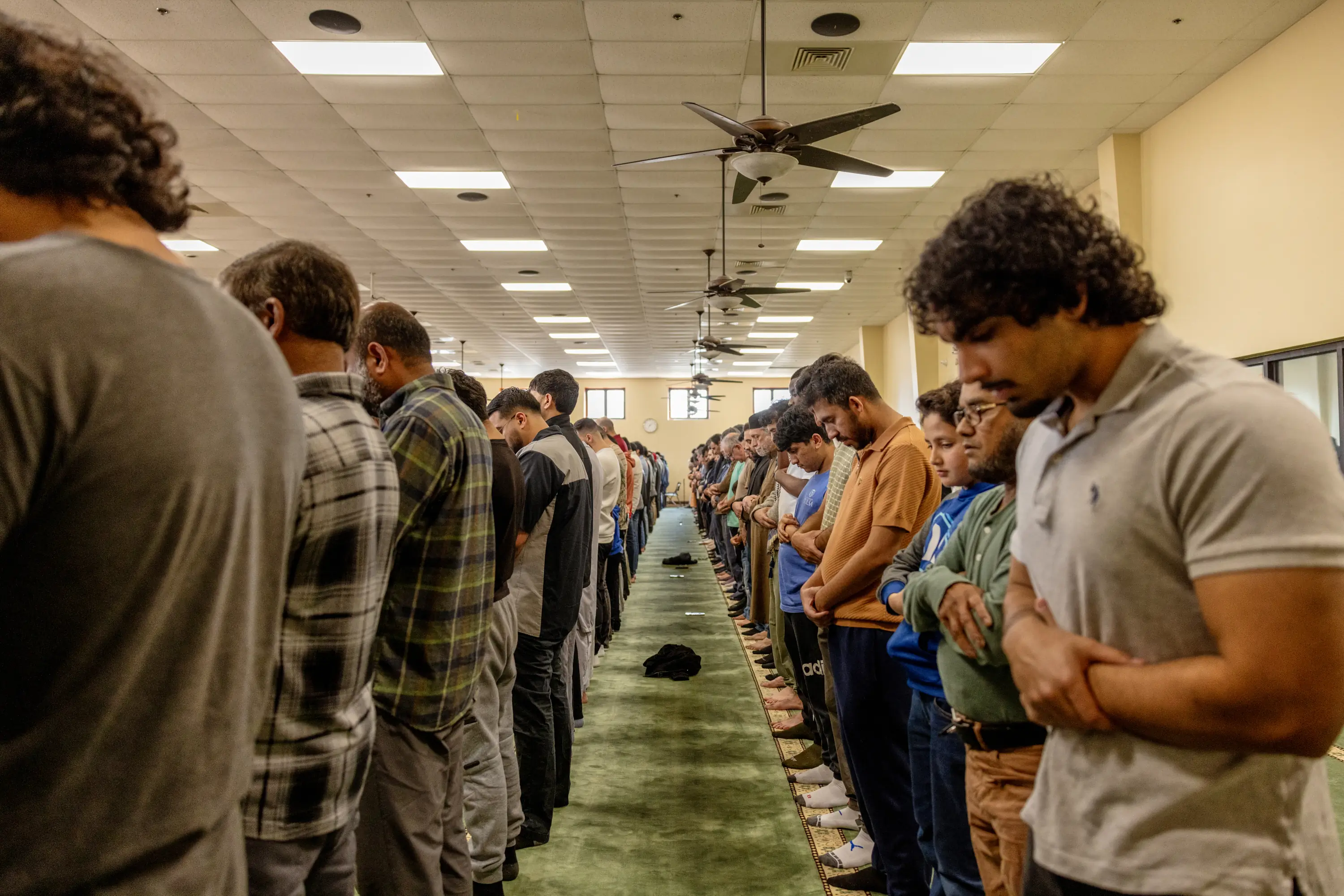
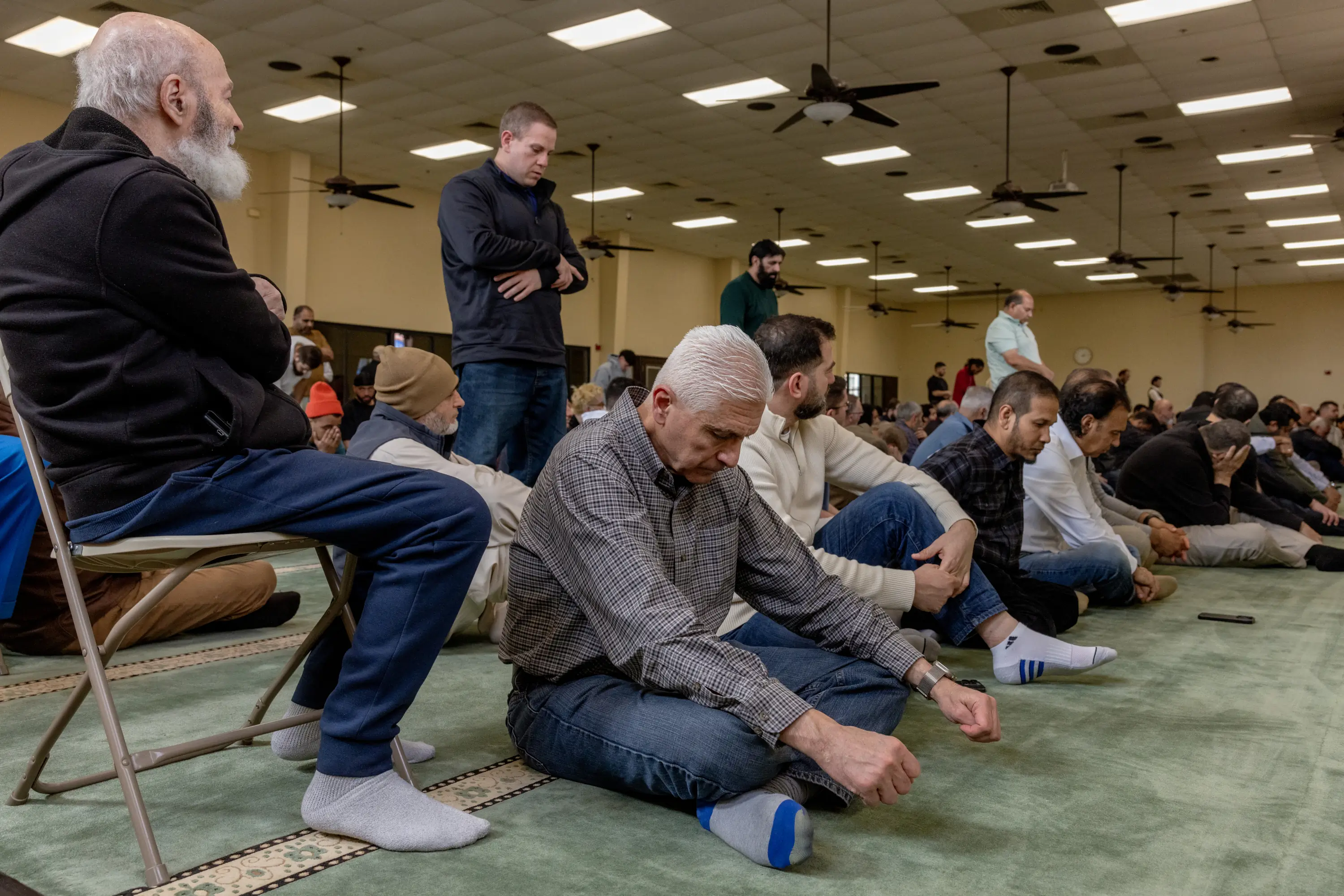
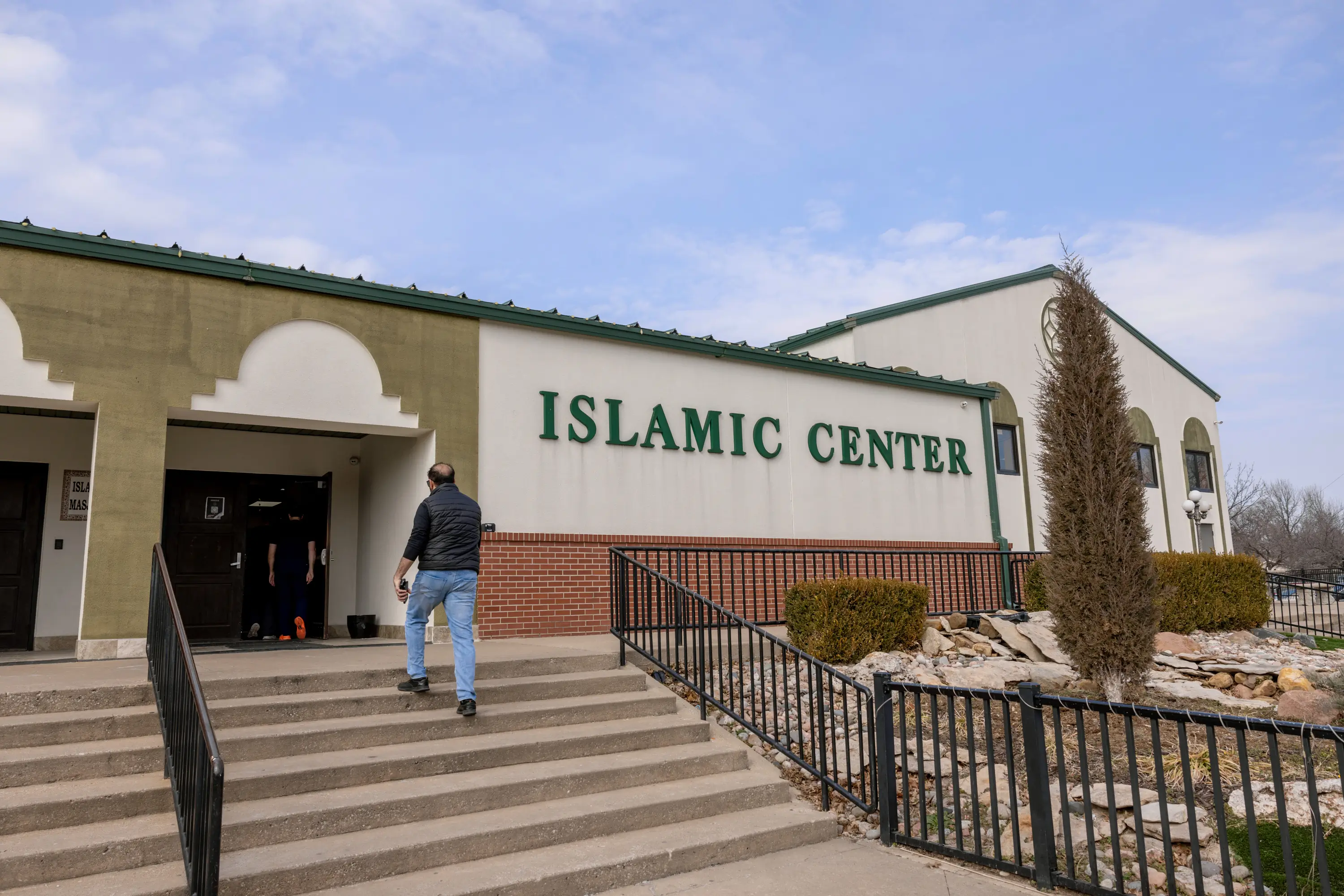
The vitriol extends far beyond the political class. Tensions related to anti-Muslim sentiment have heightened in several communities around the country, where some residents have bitterly opposed proposals to build new mosques.
“American Muslims have made incredible political and societal progress in recent years,” said Edward Ahmed Mitchell, national deputy director of the Council on American-Islamic Relations, or CAIR. He cited increased visibility in entertainment and sports and the election of Democrat Zohran Mamdani as New York City's first Muslim mayor.
“But there also is a very concerted backlash to this progress,” Mitchell said. “You've seen this in the resurgence of anti-Muslim hate and rhetoric, the targeting of mosques.”
A Dallas suburb is a flashpoint
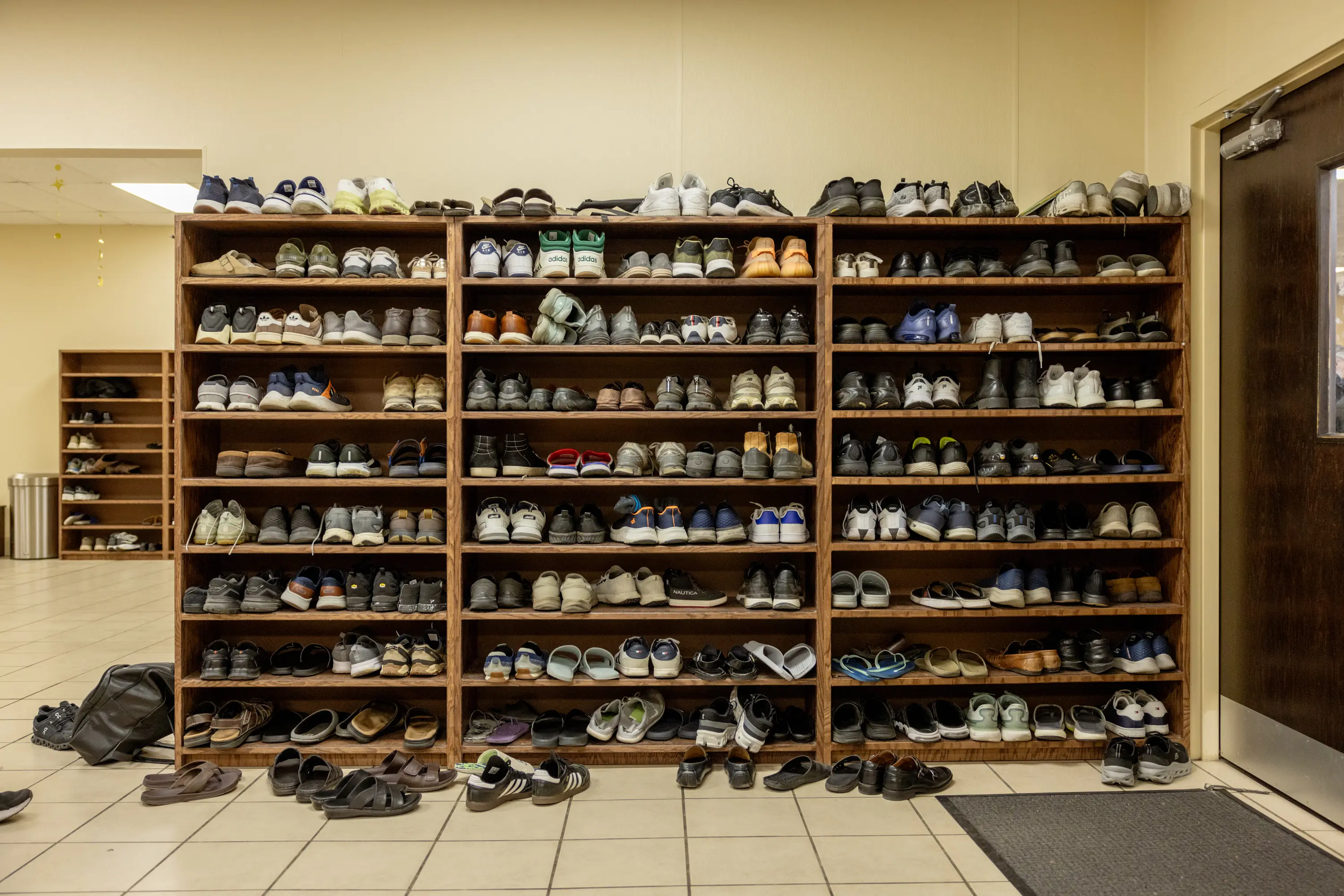
McKinney, Texas, a large suburb in the Dallas-Fort Worth area, is one of the flashpoints. Despite angry anti-Islam remarks at a heated city council meeting on Aug. 4, the council voted unanimously to approve a site plan for the McKinney Islamic Association’s proposed new mosque, classroom building and gym.
Among those urging the council to give the plan fair treatment was George Fuller, a former mayor of McKinney, a nonpartisan position. Opponents of the mosque project booed him, and some shouted “traitor” as he left the council chamber. One woman could be seen on video physically accosting him.
“I have never witnessed so much hate, anger and lack of humanity in our beautiful community gathered in one place as I did today at City Hall,” Fuller later wrote on Facebook.
During the hearing, which lasted more than four hours, the speakers included U.S. Rep. Keith Self, a Republican whose district includes McKinney. To loud applause, he urged the council to reject the mosque proposal.
“I know you’re in the accommodation phase, but the intimidation phase follows quickly,” Self said. “Child marriage. Honor killings. Don’t tell me it can’t happen here.”
Fuller also went to the microphone, evoking the broader phenomenon of divisive political rhetoric.
“Sadly, we live in a time when some have discovered that the easiest way to gain attention or win elections is not by offering solutions but by manufacturing fear, dividing communities, demonizing neighbors and turning misinformation into a political strategy,” he said.
In North Carolina, anger flares over approval for a new mosque
The scenario was similar in Mooresville, North Carolina, when town commissioners held a public comment session on Aug. 3 about a proposed mosque that had already been approved, with early phases of construction underway.
Angry residents at the meeting voiced hostility to Islam and assailed the commissioners for not being more forthcoming about the project as it took shape over previous months. One speaker cited violence in Nigeria by Islamist extremists as a reason for concern in Mooresville. Another depicted Islam as “a political regime with the ultimate goal of takeover in regions and nations.”
CAIR’s regional manager, Al Rieder, issued a statement denouncing “the hateful and conspiratorial anti-Muslim rhetoric” that surfaced at the meeting and expressed concern about the safety of Muslims in the area about 25 miles (40 kilometers) north of Charlotte.
“Muslims are your neighbors, your doctors, your teachers, your local politicians, your police,” he said.
A few hours after the public meeting, the town commissioners released a summary of the mosque project, which calls for a two-building Islamic center on a parcel acquired in 2019 by a local Muslim organization.
The commissioners said that the parcel is in an area zoned to allow religious assembly and that the mosque proposal was handled the same way as a proposal for a new church.
“All decisions must be based on adopted ordinances, objective standards and legal requirements, which do not allow for different rules for different religious groups,” the commissioners said. “We encourage all members of our community to remain respectful in their discussions and interactions as this project moves through the appropriate processes.”
In Oklahoma, Muslim leaders fight against the rebuff of a new mosque
A mosque controversy has been raging for many months in Broken Arrow, Oklahoma, Tulsa's largest suburb.
Back in January, at a stormy meeting attended by hundreds of people, the city council voted 4-1 to reject a rezoning proposal by the region's Islamic Society to build Broken Arrow's first mosque. Before the vote, dozens of residents voiced anti-Muslim views while opposing the project.
Council members who rejected the mosque had raised concerns about its potential impact on infrastructure such as roads, sewers and flood plain management.
But the Islamic Society is persisting with its quest. On Aug. 3, it filed a lawsuit against the mayor and four councilors, alleging that the vote reflected “a wave of bigoted opposition from members of the community and local politicians.” The lawsuit contends that the council violated state and federal laws governing religious land use, treating the mosque proposal differently from other comparable rezoning requests.
“They did not want a mosque in their city. They did not want Muslims here,” said Meghan Murphy, an attorney with CAIR’s Legal Defense Fund, at a news conference announcing the lawsuit. ”So they made up a reason, and in doing so they violated the law.”
Some see a terrorism threat while others see baseless scaremongering
Opposition to mosque construction isn't a new phenomenon: In Murfreesboro, Tennessee, an effort launched in 2010 to block a mosque project dragged on for more than three years. The mosque was built anyway as the case moved through the courts, but members of the Muslim community faced public protests, vandalism, arson and a bomb threat during that span.
The latest anti-mosque campaigns coincide with a broad wave of anti-Muslim rhetoric from Republican officeholders over the past year. In Congress, several bills were introduced targeting sharia, the moral and spiritual framework that guides Muslims in prayer and ethical conduct. Some Republicans say they’re concerned about growing Muslim populations in major cities and potential ties to terrorism — fears that CAIR and other civil rights groups say are unfounded and being exploited for political purposes.
Republican governors in Texas and Florida have endorsed efforts to shut down CAIR, saying it has ties to terrorism. CAIR has denied the allegations and filed lawsuits calling the governors' efforts unconstitutional.
Muslim American leaders view the vitriol as political scaremongering.
“Every election year, we expect a rise in anti-Muslim hate,” said CAIR's Mitchell. “It's been worse this year than it has been in years.”
___
Associated Press religion coverage receives support through the AP's collaboration with The Conversation US, with funding from Lilly Endowment Inc. The AP is solely responsible for this content.